
Water temperature drives every fishing decision on Florida's Gulf Coast. Understanding when species feed, migrate, and spawn transforms average trips into consistent success. This seasonal breakdown covers target species, proven baits, and optimal conditions from shallow flats to offshore ledges.
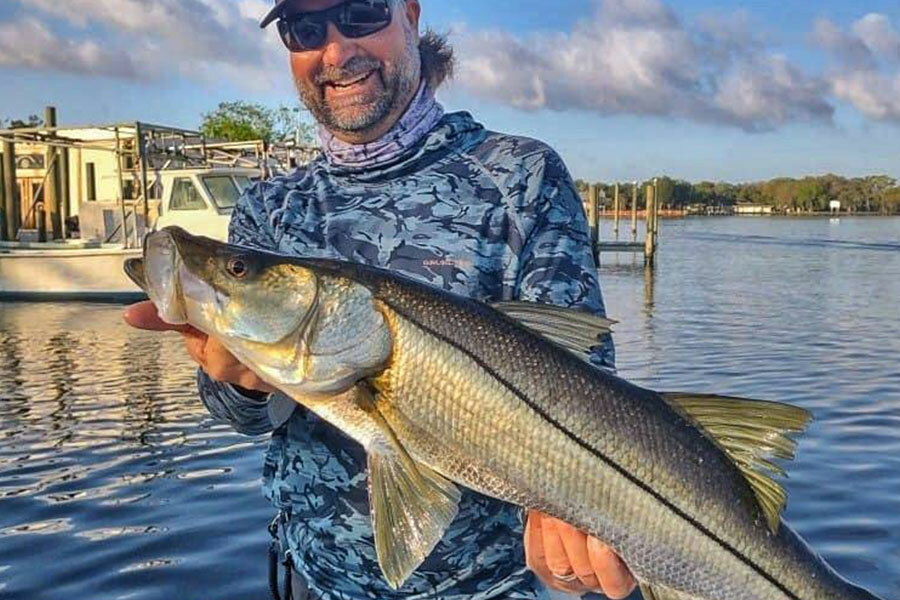
Best Months to Fish Florida's Big Bend on the Gulf Coast
Prime Fishing Months on Florida's Big Bend
If you're planning a fishing trip to Florida's Gulf Coast, April and October stand out as the two best overall months for both inshore and offshore action. But here's what most anglers don't realize: every month on the Big Bend offers something unique if you know what to target and where to look.
When Is the Best Time to Fish Florida's Gulf Coast?
April and October are the prime months for fishing the Gulf Coast of Florida, particularly around the Big Bend region from Homosassa to the Panhandle. These transitional months deliver ideal water temperatures in the 72-78°F range, pulling both inshore and offshore species into feeding mode simultaneously.
During these shoulder seasons, you get the best of both worlds. Offshore, mangrove snapper, hogfish, cobia, kingfish, Spanish mackerel, and sheepshead are all active on the same reefs and wrecks. Inshore, the flats come alive with trout, redfish, and snook prowling the mangroves and grass beds during incoming tides.
Inshore Fishing Courses
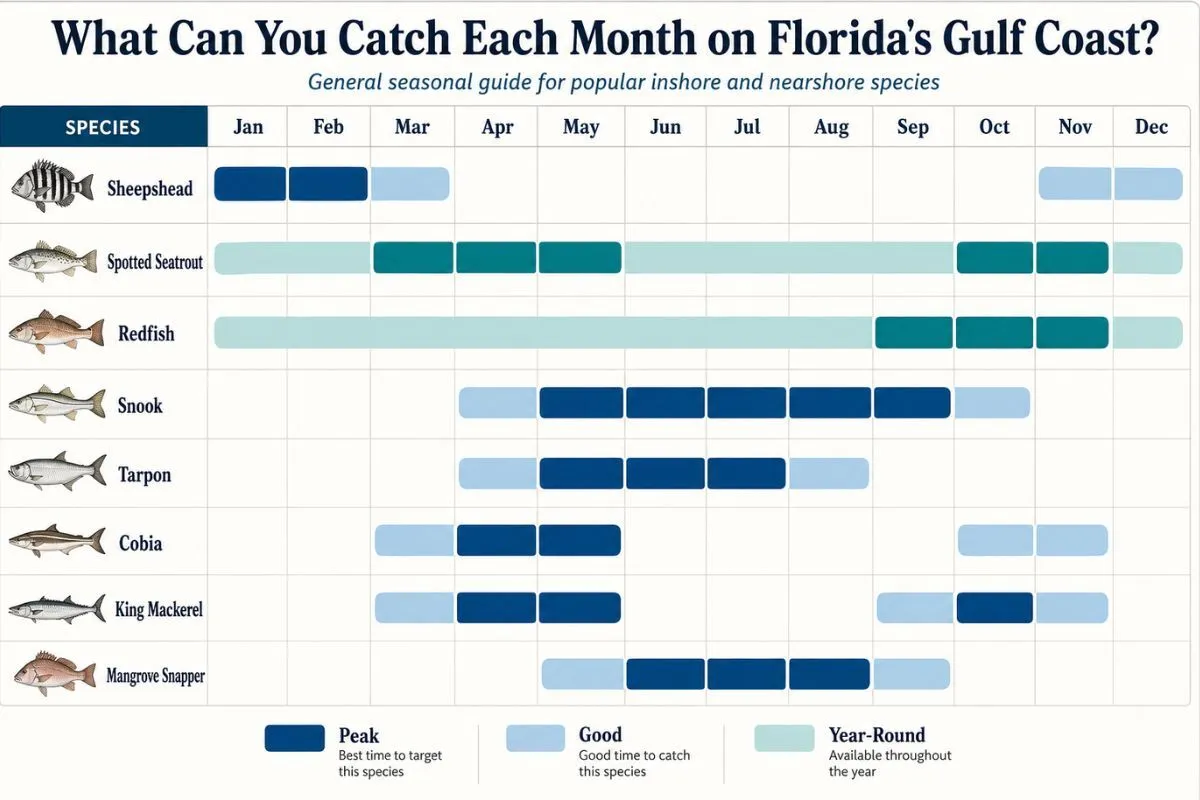
What Can You Catch Each Month on Florida's Gulf Coast?
Understanding the seasonal fishing patterns helps you plan trips around peak activity for your target species. Here's how the year breaks down:
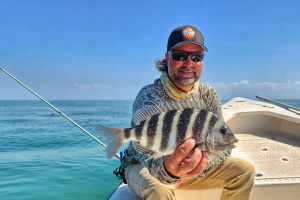
Winter Months (December - February): Water temperatures drop to 58-68°F, slowing the bite but offering excellent opportunities for sheepshead around structure, gag grouper on offshore ledges, and bull redfish in deeper channels. This is trophy redfish season for anglers willing to work deeper water.
Spring Transition (March - May): As water temps climb through the low 70s, April becomes the breakout month. Cobia migrate along the coast, often visible near the surface around channel markers and buoys. Spanish mackerel and kingfish return in numbers, and the inshore bite explodes with spawning activity. May extends this pattern with tarpon beginning their annual run.
Summer Heat (June - August): Water temperatures push into the 82-86°F range, and many species move to deeper, cooler water or become primarily active during low-light periods. Early morning and evening sessions produce best, with snook, tarpon, and trout feeding aggressively during these windows. Offshore, grouper season closes in some areas, but snapper fishing remains productive.
What Are the Best Months for Offshore Fishing on Florida's Gulf Coast?
For offshore fishing success, April through May and September through November offer the most consistent action. Let me break down what you should target and how.
During April, I focus on locating underwater structure like natural limestone ledges, artificial reefs, and wrecks in the 40-80 foot range. The diversity during this month is incredible because you're catching the tail end of winter species overlapping with the arrival of spring migrants.
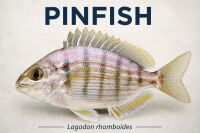
Mangrove snapper fishing peaks during these months because they're staging for their summer spawn. Look for them around any hard bottom structure, and don't overlook small isolated rocks in 30-50 feet of water. Live pilchards, pinfish, or cut threadfin herring work well, but the key is keeping your bait tight to the structure.
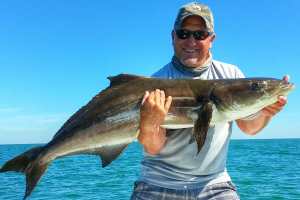
Cobia fishing techniques change everything in April and May. These fish cruise the surface, often following rays, and spotting them requires actively scanning the water. I position my boat to drift along channel edges and around navigation markers where cobia stage during their migration. Live crabs or large live pinfish get their attention, but a well-presented jig or bucktail can be just as effective when they're aggressive.
Kingfish and Spanish mackerel stack up along temperature breaks and current edges. Slow-trolling live baits or pulling spoons and diving plugs along these edges produces consistent strikes. The key is covering water until you locate schools, then working that area thoroughly.
What Fish Bite Best Inshore During Peak Months?
Inshore fishing in April and October transforms the flats and backcountry into a playground for sight-casting and blind-casting opportunities. The incoming tide, particularly during the two hours before and after high tide, triggers feeding activity that's hard to beat.
Spotted seatrout concentrate on grass flats adjacent to deeper channels. I work these areas methodically, casting soft plastics like DOA shrimp or paddle tails over the grass and along sand potholes where trout ambush baitfish. Live shrimp under popping corks absolutely dominates for trout, especially during cooler months when they're less aggressive. Early morning sessions before the sun gets high often produce the best numbers, with fish actively working topwater plugs.
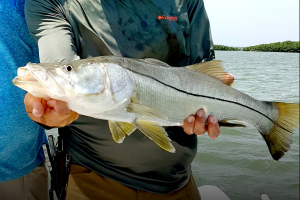
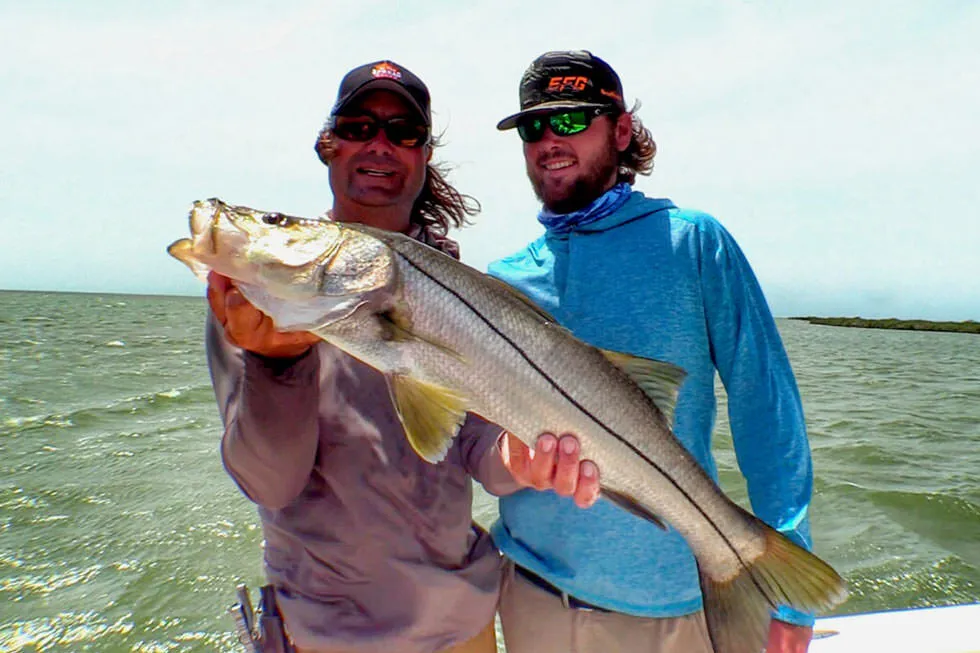
Snook fishing tactics require understanding their seasonal movements. April marks the beginning of their pre-spawn feeding frenzy, while October sees post-spawn fish regaining weight and feeding aggressively. Bridge pilings, dock lights, and mangrove points all hold snook during these periods. I prefer fishing live pilchards, live shrimp, or finger mullet under docks during the day, switching to larger swimbaits or topwater plugs during low-light periods when snook become more aggressive. Live shrimp pitched tight to structure produces strikes when nothing else will.
How Does Water Temperature Affect Gulf Coast Fishing?
Water temperature drives everything in Florida's Gulf Coast fishing. Understanding this relationship helps you predict not just which species are active, but where they'll be positioned.
The magic range sits between 70-78°F for maximum species diversity. Below 65°F, many gamefish become lethargic and move to deeper water where temperatures remain more stable. Above 82°F, fish either go deep, move to current-washed areas with better oxygen, or restrict feeding to dawn and dusk.
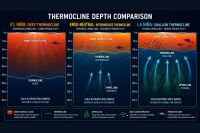
I monitor water temperature obsessively because a 3-4 degree change can completely shift fish location and behavior. During transitional periods, look for temperature breaks offshore where cooler water meets warmer water. These edges concentrate baitfish and create ambush points for predators.
What Bait Works Best for Florida Gulf Coast Fishing?
Your bait selection strategy should match both the season and your target species. Let me walk through what works consistently and why.
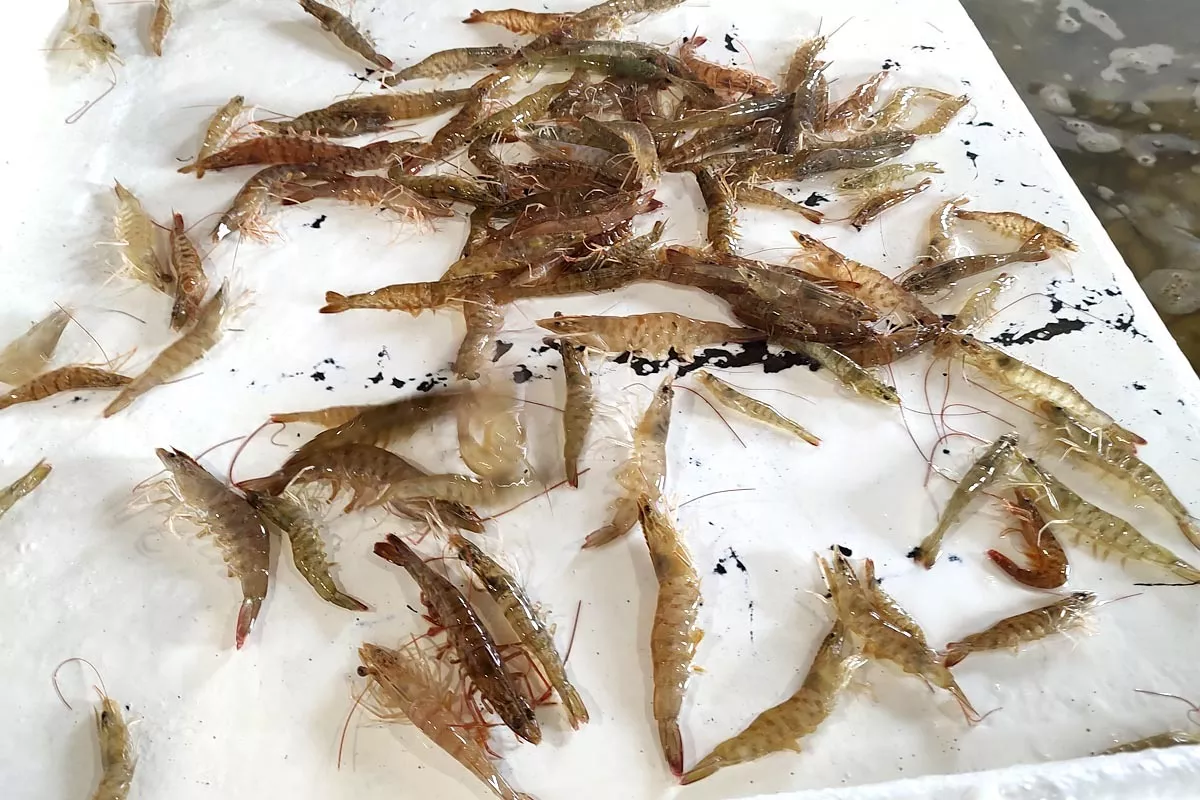
Live shrimp stand as the most versatile and reliable bait for Florida inshore fishing, period. They work year-round for trout, redfish, snook, sheepshead, mangrove snapper, and flounder. I free-line them over grass flats for trout, fish them under popping corks in deeper water, and drift them along oyster bars for redfish. The beauty of live shrimp is their universal appeal. Very few inshore species will refuse a well-presented live shrimp. I buy mine from local bait shops or catch them in cast nets around docks and creek mouths during low-light periods.
White bait (scaled sardines) run a close second for versatility, effective for everything from inshore snook to offshore kingfish. I net my own whenever possible, typically finding them around docks, bridges, and creek mouths during moving tides. These silvery baits stay lively in the well and their flash attracts aggressive strikes.
Finger mullet excel for larger predators. Snook, big trout, and tarpon all key on these baits, especially during fall when mullet schools migrate along the coast. Learning to identify mullet behavior helps you locate predators. When you see mullet crashing the surface or showering out of the water, gamefish are underneath working them.
Mud minnows provide a hardy alternative for bottom fishing, particularly effective for sheepshead, mangrove snapper, and redfish. These baits stay lively on the hook and work well when conditions make white bait or shrimp difficult to keep alive.
For offshore work, live pilchards, pinfish, grunts, and small blue runners catch everything from snapper to grouper. The key is matching bait size to target species and keeping them healthy in well-aerated livewells.
Cast netting techniques separate average anglers from consistently successful ones. I use an 8-foot radius net for most situations, adjusting my throw based on bait depth and concentration. Early morning typically offers the best netting, with bait schools tighter and easier to locate before boat traffic disperses them. Cast netting for your own shrimp and baitfish not only saves money but ensures you have the freshest, liveliest bait possible.
Where Should You Fish Along Florida's Gulf Coast?
The Big Bend region from Homosassa to north of Crystal River offers some of the Gulf Coast's most productive and least pressured waters. This area's unique geography creates diverse habitat in a compact area.
Shallow grass flats stretch for miles, interspersed with oyster bars, creek mouths, and deeper channels. I focus on edges where these habitat types meet. A grass flat bordering a sand hole creates an ambush point. An oyster bar adjacent to a deep channel funnels baitfish and concentrates predators.
Crystal River area fishing spots include the energy channels where warm water discharge creates year-round fishing opportunities. These channels hold fish even during cold snaps when surrounding waters cool down. Channel markers and navigation aids provide current breaks and shade, attracting everything from snook to tripletail.
Offshore, the natural limestone ledges running parallel to the coast create productive fishing grounds starting around 20 feet and extending out past 100 feet. These ledges don't appear on all charts, but local knowledge reveals them. They hold snapper, grouper, hogfish, and provide ambush points for pelagic species moving along the coast.
How Do You Read Water Conditions for Better Fishing?
Developing your ability to read water dramatically improves your catch rates. I'm constantly scanning for subtle clues that reveal fish location and feeding activity.
Color changes often indicate current edges, depth changes, or fresh water mixing with salt. These transitions concentrate baitfish and create feeding zones. In the Big Bend, tannin-stained water from rivers meets clearer Gulf water, and predators work these edges heavily.
Current flow determines bait positioning and fish setup. During moving tides, fish position themselves facing into current, waiting for bait to wash to them. I position my boat to drift baits naturally with the flow, letting current do the work rather than fighting it.
Bait activity tells you everything. Birds diving obviously signal feeding fish below, but subtle signs matter too. Nervous baitfish dimpling the surface, scattered mullet fleeing an area, or swirls and boils in calm water all indicate predator presence.
What Advanced Techniques Improve Your Success Rate?
Once you've mastered the basics, these advanced fishing tactics will set you apart and put more fish in the boat consistently.
Boat positioning matters more than most anglers realize. For offshore bottom fishing, I use GPS to position precisely on structure, then fine-tune position using sonar to keep directly over productive areas. A fish finder showing structure and bait is worth its weight in fish.
For inshore work, understanding stake-out pole use versus anchoring versus drift fishing opens up techniques. Stake-out poles let you fish quietly in skinny water without anchor noise. Power Poles have revolutionized flats fishing by allowing quick, silent positioning.
Reading sonar for structure fishing goes beyond just seeing bottom depth. Learning to identify hard bottom versus soft bottom, isolated rocks versus continuous ledge, and bait concentrations versus fish helps you work productive areas and skip barren spots.
Scent and chum create feeding frenzies. Even minimal chumming with cut bait or menhaden oil brings fish to your area and keeps them feeding. For snapper fishing, maintaining a steady chum line to the bottom makes the difference between consistent action and sporadic bites.
Frequently Asked Questions About Florida Gulf Coast Fishing
When is snook season on Florida's Gulf Coast Big Bend Region?
Snook season on the Big Bend region of Florida's Gulf Coast runs from September 1 to November 30 and March 1 to April 30, with harvest allowed only during these windows. The best fishing occurs during April and October when snook feed aggressively before and after spawning season. During closed seasons (December-February and May-August), catch-and-release fishing remains excellent, particularly around bridges, docks, and mangrove shorelines during low-light periods.
What is the water temperature in April on Florida's Gulf Coast?
Water temperatures in April on Florida's Gulf Coast typically range from 72-76°F, creating ideal conditions for most gamefish species. This temperature range activates feeding behavior in both cold-water and warm-water species, which is why April produces such diverse catches. Shallow flats warm faster than offshore waters, sometimes reaching 78°F by late April during warm years.
Can you fish year-round on Florida's Gulf Coast?
Yes, you can fish year-round on Florida's Gulf Coast, though species availability and fishing quality vary by season. Winter months (December-February) slow down but still produce sheepshead, bull redfish, and gag grouper. Spring and fall offer peak conditions for the widest variety of species, while summer requires adjusting to early morning and evening fishing windows when temperatures are more tolerable and fish are more active.
When do tarpon run on Florida's Gulf Coast?
Tarpon begin arriving along Florida's Gulf Coast in late April, with the main migration peaking from May through July. The Big Bend region sees excellent tarpon fishing during this period, particularly around river mouths, beaches, and nearshore waters where tarpon stage before moving into bays and rivers. Fall also brings a secondary run in September and October as fish migrate south, offering another excellent opportunity.
What are the worst months to fish Florida's Gulf Coast?
January and February typically present the most challenging conditions due to cold fronts dropping water temperatures into the low 60s or even upper 50s, which shuts down many species. August can also be difficult due to extreme heat (water temps above 85°F), frequent afternoon thunderstorms, and many fish moving to deeper, cooler water. However, dedicated anglers who adjust tactics can still catch fish during these periods.
What bait is best for mangrove snapper?
Mangrove snapper respond best to live shrimp, live pilchards, pinfish, and cut threadfin herring, with live bait consistently outperforming frozen options. Live shrimp on a light leader works exceptionally well for mangrove snapper around inshore structure and shallow reefs. The key is using appropriately sized offerings (2-3 inches for typical 12-14 inch snapper) on light leaders (15-20 lb fluorocarbon) and presenting them tight to structure where snapper stage.
How do you catch cobia in April on Florida's Gulf Coast?
Catching cobia in April requires active sight-fishing techniques along the coast. Slowly cruise channel edges, around navigation markers, and near shallow reefs while scanning for cobia swimming near the surface, often following rays. Once spotted, approach quietly and present live crabs, large pinfish, or eels on 40-50 lb spinning or conventional tackle. Alternatively, anchor near channel markers and sight fish for cruising cobia moving along traditional migration routes.
What is the best tide for redfish in Florida?
Incoming tides produce the best redfish action on Florida's Gulf Coast, particularly the two hours before high tide when water pushes onto flats and into backcountry areas, activating feeding behavior. Redfish move shallow during higher water stages to access oyster bars, mangrove roots, and grass flat edges where they feed on crabs and shrimp. Plan your trips to fish these prime windows for most consistent results.
When is gag grouper season in Florida?
Gag grouper season in Florida Gulf federal waters runs from September 1 through December 31, with a January-May closure for spawning protection and June-August also closed. State waters (inside nine nautical miles) follow different regulations that can change annually, so always check current Florida Fish and Wildlife Conservation Commission regulations before targeting grouper. October offers prime gag grouper fishing as water temperatures cool and fish feed heavily before winter.
What is the best bait for sheepshead in Florida?
Live shrimp fished tight to structure like dock pilings, bridge fenders, and oyster bars is the standard approach for sheepshead. Fiddler crabs and sand fleas also work exceptionally well. The key is using small hooks (size 1 to 1/0), light leaders, and presenting bait directly against structure where sheepshead feed. Sheepshead have excellent eyesight and can be leader-shy, so fluorocarbon leaders in the 15-20 lb range produce more bites than heavier monofilament.
What size hook for Florida inshore fishing?
For Florida inshore fishing, 1/0 to 3/0 circle hooks work best for most situations, sized to match your bait and target species. For trout with live shrimp or soft plastics, use 1/0 to 2/0 hooks. For larger snook and redfish with live shrimp or baitfish, step up to 2/0 to 3/0 circle hooks. For tarpon and larger snook with big baits, use 3/0 to 5/0 circle hooks. Circle hooks reduce gut-hooking, making catch-and-release more successful while remaining legal and effective for harvest when seasons are open.
Making the Most of Your Florida Gulf Coast Fishing Trip
Planning your fishing around peak months makes a dramatic difference in your success rate and overall experience. April and October stand out for good reason, offering comfortable weather, ideal water temperatures, and maximum species diversity for both inshore and offshore anglers.
That said, don't write off other months entirely. Understanding seasonal patterns lets you adjust expectations and tactics to catch fish year-round. Winter brings opportunities for trophy bull redfish and sheepshead. Summer requires early starts but offers tarpon and snook around structure. Every season has its advantages if you know what to target.
The key is matching your approach to conditions. Keep live shrimp and other quality live bait when available, watch the tides, read the water constantly, and adjust based on what you're seeing rather than stubbornly sticking to a plan that's not working.
These waters have been producing incredible fishing for generations, and they'll continue to if we practice responsible angling. Handle fish carefully during catch-and-release, follow all regulations, and respect the resource. The Gulf Coast's fishery is something special, and keeping it that way means fishing smart and fishing sustainably.
Login
to leave a review.
User Reviews
There are no reviews yet.
Setting Up a Dredge Pulley for Billfish
Saltwater
12.28.2020
High Speed Wahoo Trolling Rig
Saltwater
09.08.2018
Fishing Light Tackle for Yellowfin Tuna
Saltwater
09.08.2018
0