Successful wahoo fishing requires understanding these elusive predators' movement patterns and migration timing. While wahoo behavior puzzles many anglers, expert insights from experienced fishermen reveal the environmental factors that drive their seasonal travels and feeding locations.
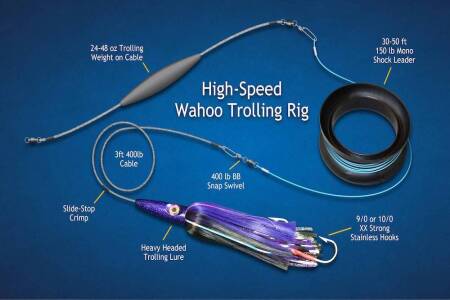
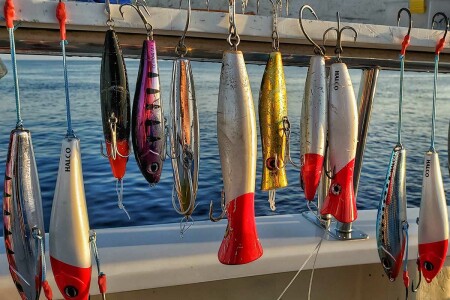
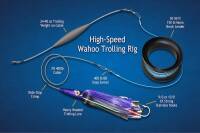
High speed wahoo trolling demands precise rigging to handle these lightning-fast predators. Success in catching wahoo fish requires understanding how each component of your wahoo trolling rig works together. From selecting the right wahoo trolling lure to building a complete wahoo trolling setup, proper technique separates successful ono wahoo anglers from disappointed fishermen.
Ono means delicious in Hawaiian, and a well-handled wahoo lives up to it. Here is what the fish tastes like, the boat handling that protects that quality, and how to cook and serve it, from a hard sear to fresh sashimi.
Slow trolling produces consistent wahoo catches with less boat stress and extended fishing time. This proven technique outperforms high-speed methods for daily fish counts while targeting multiple pelagic species. Learn essential rigging, bait presentation, and boat positioning strategies that professional captains rely on for offshore success.
Anglers do not chase wahoo because they are easy. They chase them because hooking one feels like the line is connected to a freight train moving through deep water. Speed, distribution, and a willingness to crash a high-speed lure spread are what put wahoo on every offshore bucket list.
Wahoo are pelagic predators that hunt where temperature breaks meet structure, from the 100-fathom curve in the Gulf to Hawaiian FADs and Costa Rican seamounts. Catching them consistently requires matching technique to conditions. This article covers high-speed trolling, slow trolling with planers, live baiting on structure, sample rigs, regional patterns, and the tackle that handles their slicing teeth.
Wahoo fishing involves various techniques like trolling and baiting, but the best lure depends on conditions, structure, and water column holding. Wahoo behavior is influenced by structures, water temperature, and color. Understanding wahoo behavior and choosing the right lures helps increase success on the water.
Successful wahoo fishing depends on matching the right bait to your location and conditions. From live speedos in the Florida Keys to ballyhoo offshore, each bait requires specific rigging and presentation techniques. Wire leaders, stinger hooks, and getting baits to the correct depth make the difference between blank days and explosive action with these razor-toothed speedsters.
Success with wahoo requires understanding their behavior and seasonal patterns. These lightning-fast predators concentrate around structure where current meets depth changes. Learn the trolling techniques, bait selections, and location strategies that consistently produce strikes from one of the ocean's fastest gamefish.
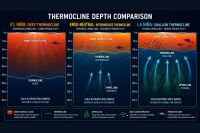
Professional captains target wahoo consistently by understanding water temperature breaks, thermocline positioning, and seasonal migration patterns. This comprehensive breakdown covers high-speed and slow trolling methods, proper wire leader rigging, and the depth zones where wahoo suspend throughout the day.
Wahoo depth is never a fixed number. Season, water temperature, thermocline position, current, and baitfish distribution all determine where these fish hold and how deep you need to go. What follows breaks down those variables and explains the techniques experienced captains use to get baits into the strike zone wherever wahoo swim.
The live versus dead bait question is really a conditions call. Speed, local forage, and what the fish are actively eating on a given day should drive your decision. Get those variables right and the wahoo will tell you what works. Here is a practical breakdown of which baits produce, when, and why.
Stickbaits are among the most effective lures for targeting yellowfin tuna, giant trevally, wahoo, and other pelagic predators in open water. This breakdown covers how to choose floating vs. sinking models, which retrieve techniques produce the most strikes, and how to fight large fish on heavy spinning tackle without breaking gear.
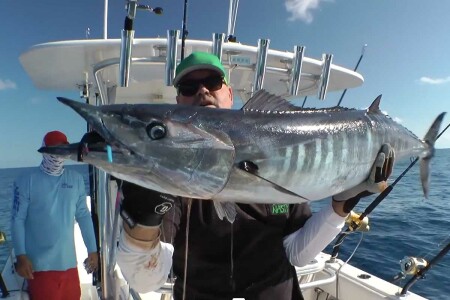
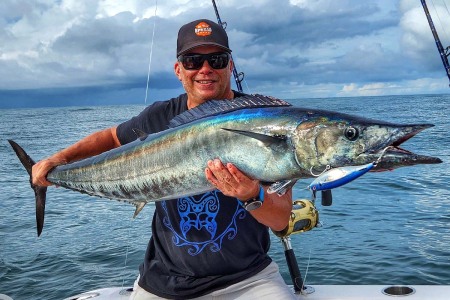
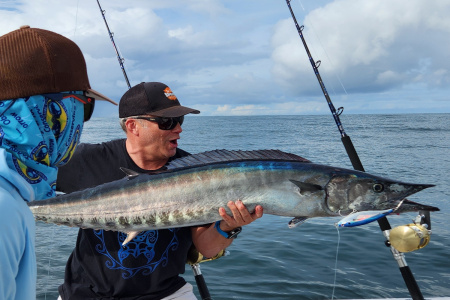
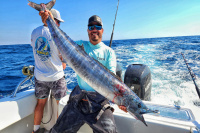
Anglers confuse wahoo with barracuda and king mackerel, then wonder why the bite runs so hot and so brief. This breaks down how to tell the fish apart, where they hold across the Pacific, Atlantic, and Gulf, and how working captains rig, troll, and land them from Kona to the Florida Keys.
Fall is when wahoo move into feeding mode along thermal edges from Morehead City to the Kona Coast. This regional playbook breaks down the months, baits, structure, and tactics that produce in North Carolina, Florida, Louisiana, California, and Hawaii, with captain-tested approaches for both slow trolling and high-speed runs.
Master the art of wahoo fishing by understanding their depth preferences across seasons and regions. From high speed trolling, slow trolling with planers to pulling live baits, discover how water temperature, ocean currents, and baitfish locations influence where these predators hunt—and how you can target them effectively.
Inside the wahoo library: Mike Dupree on slow trolling with planers from North Carolina, RJ Boyle on high-speed tournament tactics from South Florida, Shawn Rotella on live bait fishing in Kona, and additional captains covering regional fisheries and tackle systems. Subscribers stream every course on demand.
Catch trophy wahoo throughout Florida with proven techniques from professional anglers. Learn regional hotspots, optimal trolling spreads, and seasonal patterns from the Keys to the Panhandle. Leverage tidal movements, water temperature, and specialized lures to target these lightning-fast predators in their natural hunting grounds.
Three species, three completely different approaches. King mackerel demand slow-trolling patience with live bait, Spanish mackerel chase high-speed spoons at 6-7 knots, and wahoo strike at 15 knots offshore. Get the trolling speed wrong by two knots, and you'll struggle while others load coolers. Here's how to dial in each species.
Wahoo leader decisions are not single-answer problems. The right setup for high-speed trolling fails on a flylined sardine, and the wire that catches fish in stained water can refuse strikes the next day in glass-calm conditions. The serious answer is four leader systems, built for four applications, rotated as conditions change.