
When water temperatures drop and other fish slow down, sheepshead fishing heats up. Captain William Toney reveals the precise tackle setup, live shrimp rigging techniques, and structure positioning that turn subtle bites into full coolers of delicious winter fillets.
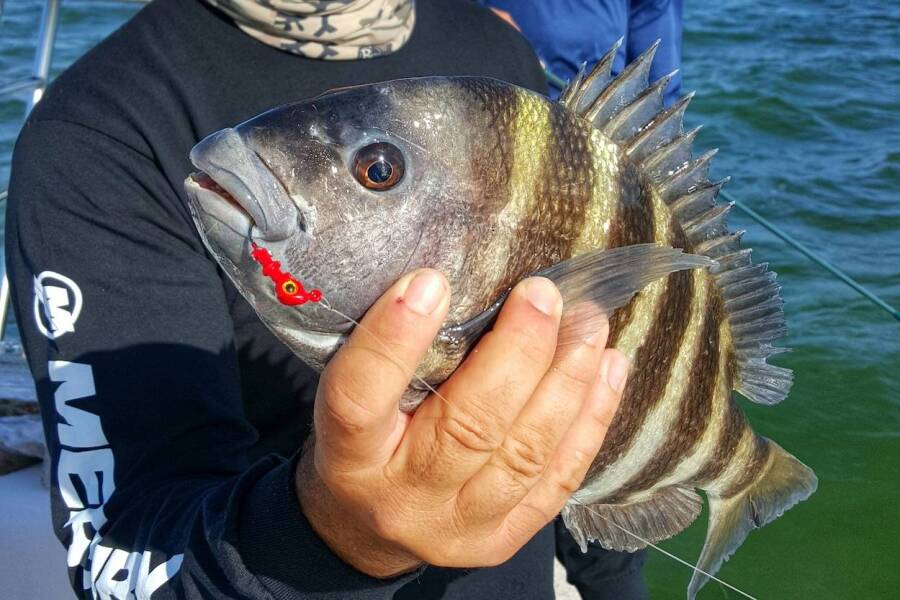
Winter Sheepshead Fishing Techniques - Captain William Toney
Winter Sheepshead Fishing: Expert Techniques & Best Bait
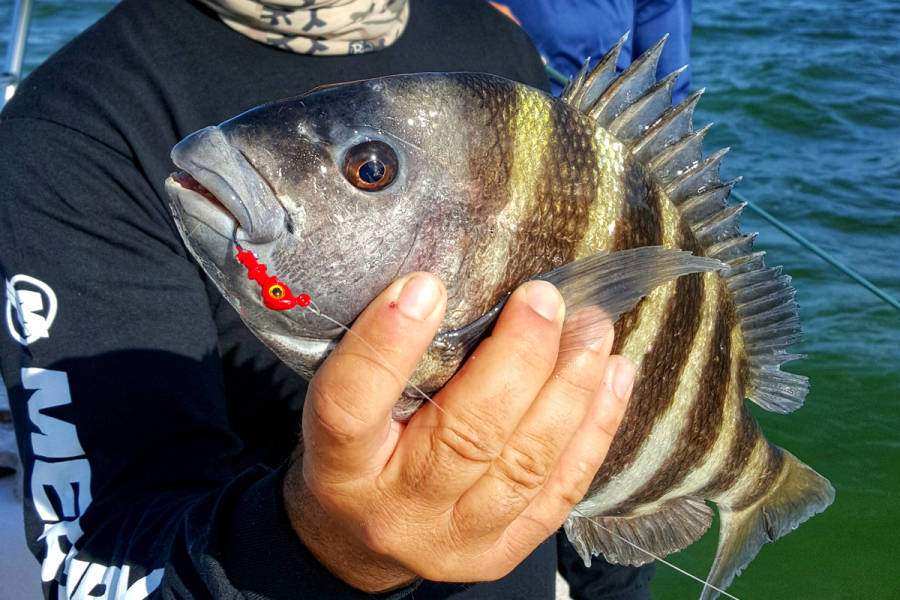
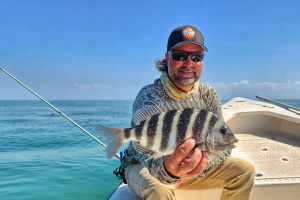
Sheepshead fishing in winter is some of the easiest and most rewarding action you'll find on the water. From January through March, these striped convicts move into shallow nearshore waters to spawn, making them incredibly accessible to anglers who know where to look and what to use.
I'm Captain William Toney, and I've been guiding anglers on the waters around Homosassa for years. Every winter, I look forward to targeting sheepshead because they're cold-hardy fish that actually get more active when temperatures drop and other species slow down. Sure, they're a bit challenging to clean with their thick skin and sharp spines, but the sweet, mild meat is absolutely worth the effort.
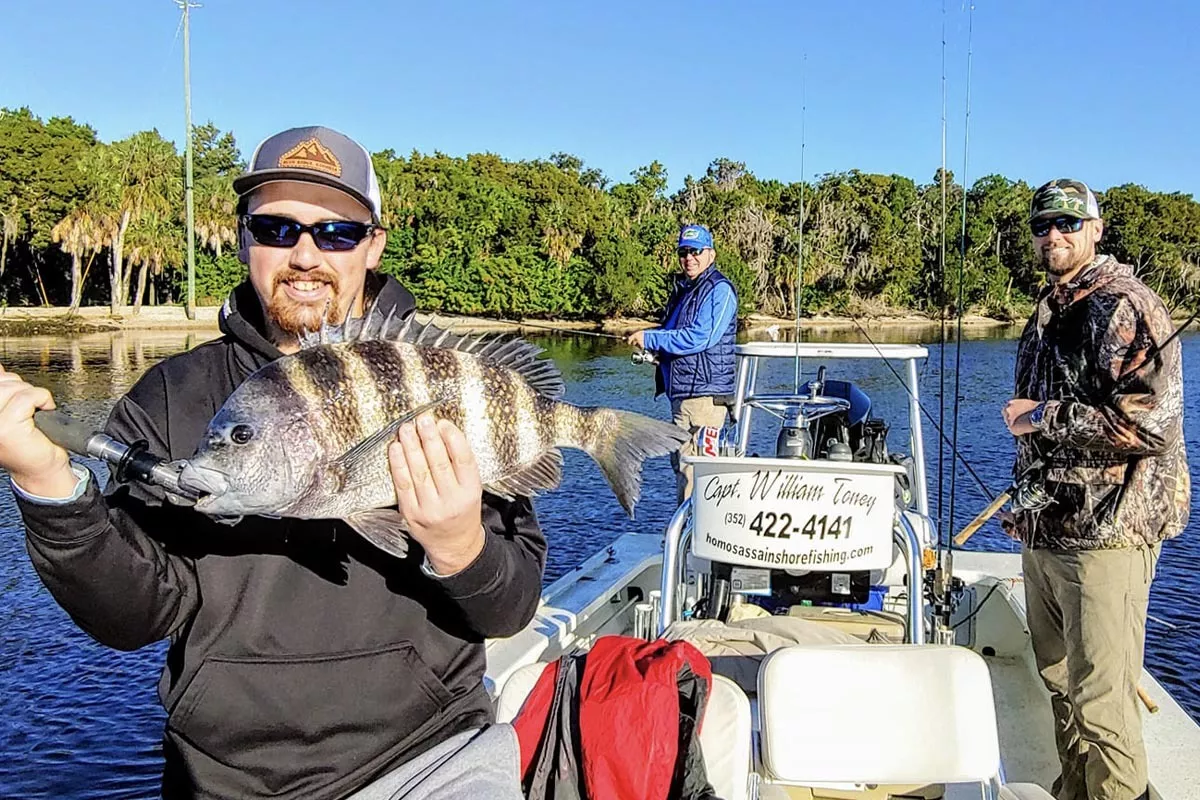
Why Winter Is Prime Time for Sheepshead Fishing
Sheepshead thrive in cold water when most other species are lethargic or have moved offshore. Their spawning season runs from January to March, which brings them into shallower nearshore waters where they concentrate around structure. This is when you'll find the biggest fish and the most consistent action.
Where to Find Winter Sheepshead in Shallow Water
The key to successful sheepshead fishing near rocks and structure is understanding their preference for hard bottom and vertical relief. These fish aren't cruising open flats looking for food. They're stacked up on specific pieces of structure, picking barnacles, crabs, and shrimp off the rocks.
Best Nearshore Structure for Sheepshead
High-profile rocks are my go-to spots. I'm talking about rocks that stick up off the bottom with significant relief, not flat rocks sitting on the seafloor. Sheepshead want vertical structure they can work around, and the higher the profile, the more fish you'll typically find.
- Channel markers and pilings where current sweeps food past waiting fish
- Nearshore ledges that create depth changes and edges
- Dock pilings further inshore where sheepshead stack up during spawning season
- Rocky points where rivers meet bays or coastal waters
The Homosassa River is legendary for sheepshead, and for good reason. The state record sheepshead came out of Pucketts Hole in Homosassa, weighing just over 15 pounds. That fish was caught on live shrimp, which tells you everything you need to know about bait selection.
How to Approach Sheepshead Structure Without Spoking Fish
I never anchor directly on top of structure when I'm targeting sheepshead. Instead, I'll drift past rocks, markers, or ledges to scout for fish first. If I see a group of four or five sheepshead, I know it's worth setting up properly.
Sheepshead Fishing Courses
What Is the Best Bait for Sheepshead in Winter?
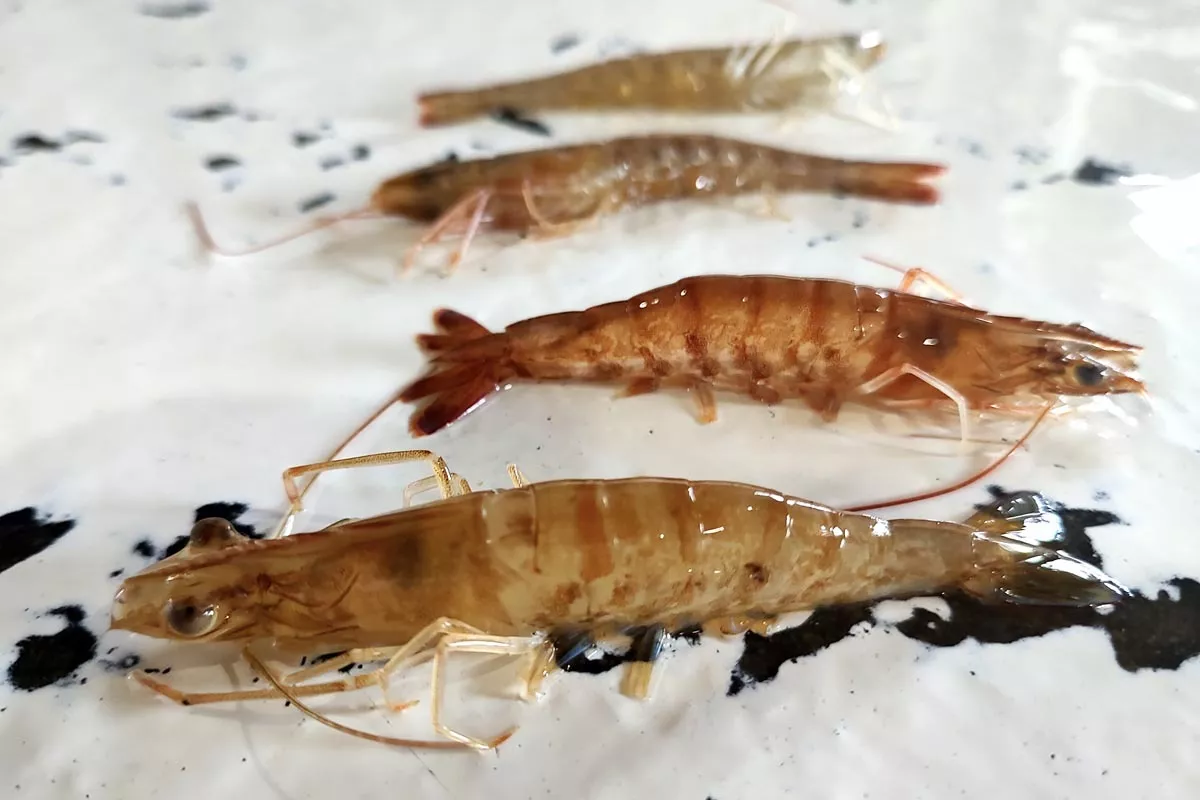
Live shrimp is hands down the most effective bait for winter sheepshead fishing. I've tried fiddler crabs, sand fleas, and various other baits, but nothing consistently produces like live shrimp during the cold months.
How to Rig Live Shrimp for Sheepshead
My preferred setup uses a 1/8 ounce jig head with a 3-inch shrimp. Here's exactly how I rig it:
Pinch off the tail of the shrimp and thread it directly onto the jig head hook. This does two things. First, it eliminates the part of the shrimp that sheepshead will nip at without getting hooked. Second, it creates a more compact presentation that's easier for the fish to fully engulf.
What Gear Do You Need for Winter Sheepshead Fishing?
The right tackle setup makes a massive difference when you're targeting sheepshead. Their bite is subtle, almost delicate, and you need sensitive gear to detect it and set the hook before they spit the bait.
Best Rod and Reel Setup for Sheepshead
I recommend a fast-action rod paired with a 3000 series spinning reel. The fast action gives you the sensitivity to feel light bites while providing enough backbone to set the hook and control fish around structure.
For line, I spool up with 10 pound braided line. Braid has zero stretch, which translates every tap and pull directly to your rod tip. This sensitivity is crucial for detecting sheepshead bites, which often feel like nothing more than a few light pecks.
Complete Sheepshead Fishing Gear List
Here's what you need in your tackle box for a successful winter sheepshead trip:
- Fast-action spinning rod (7 to 7.5 feet)
- 3000 series spinning reel with smooth drag
- 10 lb braided main line
- 20 lb fluorocarbon leader material
- 1/8 oz jig heads (bring extras, you'll lose some in rocks)
- Live shrimp (at least 2 to 3 dozen)
- Long-nose pliers for hook removal
- Heavy gloves for handling fish (those spines are sharp)
How to Detect and Hook Winter Sheepshead
Understanding the sheepshead bite is what separates anglers who catch a few fish from those who load the cooler. These fish don't crush baits like redfish or hammer lures like snook. Their bite is methodical and testing.
What Does a Sheepshead Bite Feel Like?
When a sheepshead picks up your bait, you'll typically feel two or three light pecks first. They're testing it, nibbling at it, making sure it's safe to eat. This is where most anglers make their mistake by setting the hook too early.
Wait for the weighted pull. After those initial pecks, you'll feel the line go heavy as the fish actually takes the bait and starts to move away with it. That's your cue to set the hook with a firm, upward sweep of the rod.
How to Cast to Nearshore Rocks Without Losing Tackle
Accuracy matters more than distance when you're fishing structure. Cast your jig so it lands within a foot or two of the rock, marker, or piling. Let it sink on a semi-tight line so you can feel if a fish grabs it on the drop.
Frequently Asked Questions About Winter Sheepshead Fishing
When is sheepshead spawning season in Florida?
Sheepshead spawn from January through March in Florida waters. This spawning period brings them into shallower nearshore areas and around inshore structure, making winter the absolute best time to target them.
Are sheepshead hard to catch in winter?
Sheepshead are actually easier to catch during winter because they concentrate in predictable locations and feed actively. The challenge isn't finding them or getting them to bite. It's detecting their subtle bites and setting the hook at the right moment.
What time of day is best for sheepshead fishing?
I prefer fishing sheepshead during incoming tides, especially the high incoming tide periods. Early morning can be productive, but sheepshead will bite throughout the day when conditions are right. Tide movement matters more than time of day.
Are sheepshead good to eat?
Absolutely. Sheepshead have sweet, mild, white meat that's excellent fried, grilled, or baked. The challenge is cleaning them because of their thick, tough skin and sharp dorsal spines. Use heavy gloves and a sharp fillet knife, and take your time.
Can you catch sheepshead on artificial lures?
While live shrimp is far more effective, sheepshead will occasionally hit small jigs, especially those tipped with shrimp or Berkley Gulp. However, your success rate with artificials will be significantly lower than fishing with live bait.
What Other Species Can You Catch During Winter Sheepshead Trips?
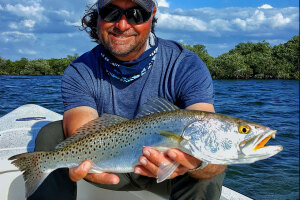
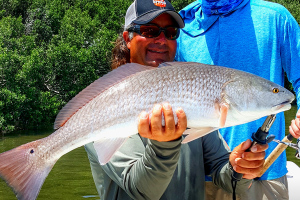
After cold fronts push through, redfish, trout, and black drum often move into the same rivers and inshore areas where you're targeting sheepshead. This creates excellent opportunities for mixed bag fishing trips.
How to Target Redfish and Trout Alongside Sheepshead
Live shrimp works equally well for redfish, trout, and drum, so you don't need to change your bait strategy. The difference is location within the same general area. While sheepshead stack tight to structure, redfish and trout prefer deep holes near rocky points or along channel edges.
Target areas where depth changes occur, particularly deeper pockets that provide warmer water during cold snaps. Incoming tides push baitfish and shrimp into these areas, and predator species follow them in to feed.
Planning Your Winter Sheepshead Fishing Trip
Success on the water comes down to preparation and understanding how environmental factors affect fish behavior. Monitoring tide charts before your trip is essential because sheepshead fishing improves dramatically during moving water, particularly incoming tides.
Check local weather forecasts and recent cold front activity. A few days after a strong cold front, you'll often find multiple species pushed into rivers and protected inshore areas. This is when you can have exceptional mixed species action while primarily targeting sheepshead.
Final Tips for Consistent Winter Sheepshead Success
The difference between okay sheepshead fishing and incredible sheepshead fishing often comes down to small details. Pay attention to structure quality. Not all rocks are created equal. High-profile structure consistently holds more and bigger fish than flat bottom areas.
Stay mobile if you're not getting bites within 15 to 20 minutes at a spot. Sheepshead are either there or they're not. If you're fishing quality structure with live shrimp during the right tide phase and nothing's happening, move to the next spot on your list.
When you do find fish, work that area thoroughly. Where you catch one sheepshead, there are almost certainly more. Fan cast around the entire structure, covering different angles and depths. Often the biggest fish in a group will be positioned slightly differently than the smaller ones.
William's Inshore Fishing Courses
Login
to leave a review.
User Reviews
There are no reviews yet.
Setting Up a Dredge Pulley for Billfish
Saltwater
12.28.2020
High Speed Wahoo Trolling Rig
Saltwater
09.08.2018
Fishing Light Tackle for Yellowfin Tuna
Saltwater
09.08.2018

0