
Wahoo leader decisions are not single-answer problems. The right setup for high-speed trolling fails on a flylined sardine, and the wire that catches fish in stained water can refuse strikes the next day in glass-calm conditions. The serious answer is four leader systems, built for four applications, rotated as conditions change.
Featured
Building Wahoo Leader Systems for Trolling and Bait
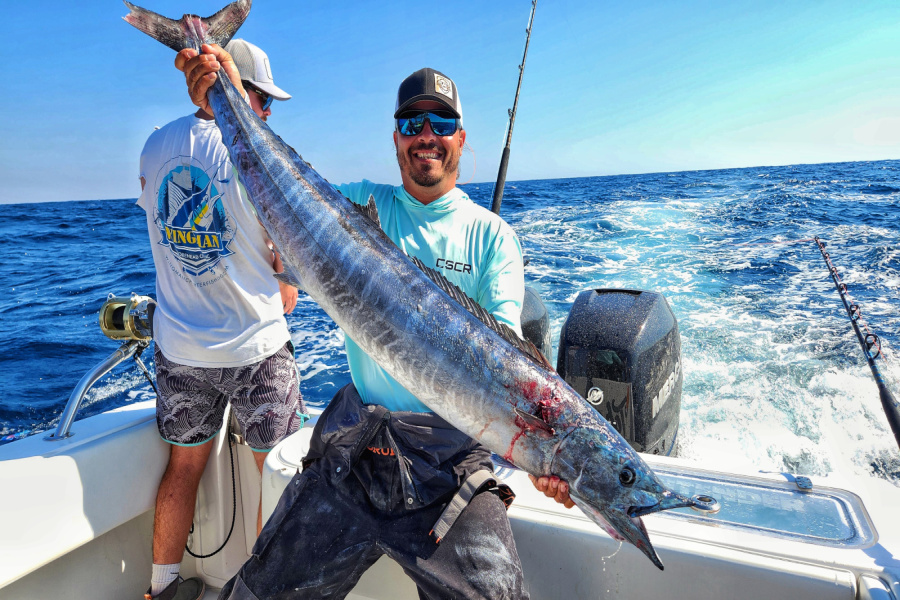
A wahoo strike is the combined impact of a fast-moving lure or bait and a fish that arrives at full burst speed, often hitting from below or the side at the head of the offering. Multiplied by serrated teeth and a habit of slashing through prey, the result explains why so many anglers return to the dock with cut leaders and lost lures. Leader systems are the difference between fish in the box and an expensive education. This article covers the main wahoo leader systems for high-speed trolling, slow trolling, live bait, and casting, plus the connections, hardware, and regional preferences that determine whether the rig holds.
Why Wahoo Demand Specialized Leader Systems
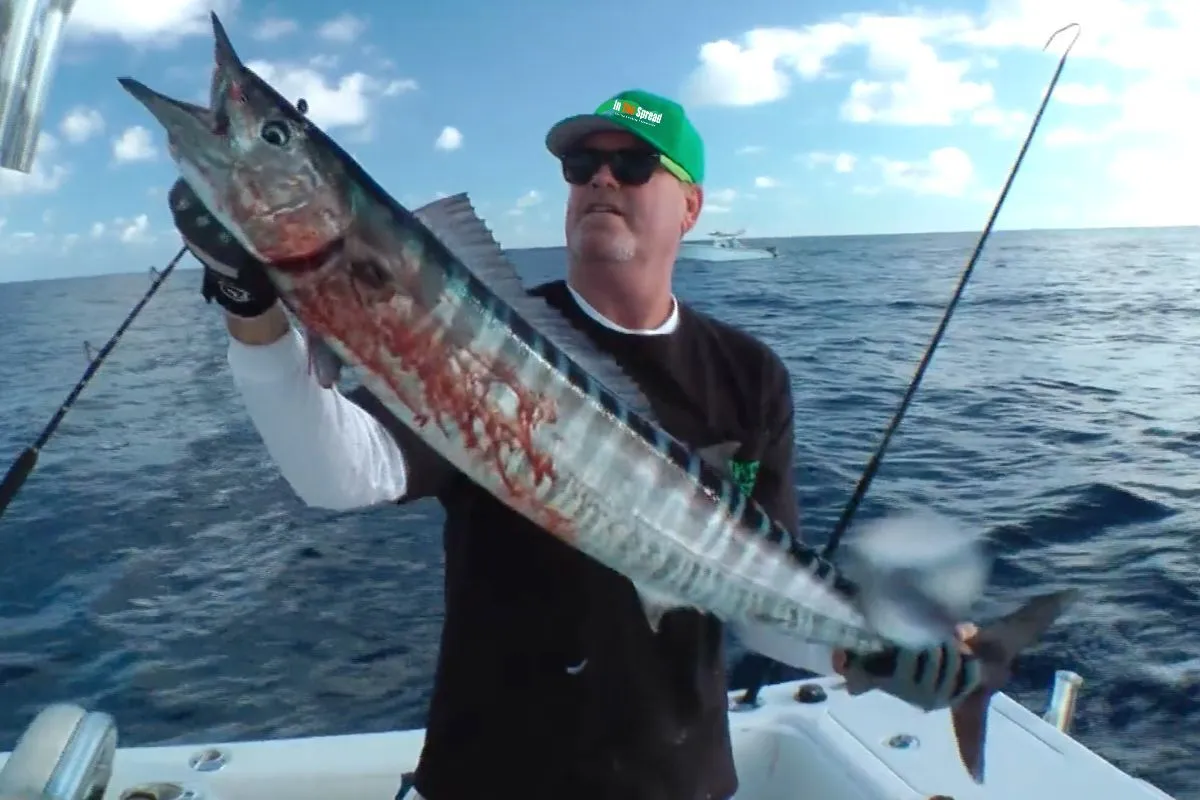
Wahoo teeth are flat, triangular, and serrated, structured to slice rather than crush. That single fact drives every leader decision. Heavy mono and fluorocarbon can work in some applications, particularly casting and jigging, but wire remains the safer choice when bite protection matters most. Wahoo also tend to strike from below or the side, putting the leader directly between the teeth and the angler.
What Are the Four Wahoo Leader Material Categories?
Every wahoo leader is built from one of four base materials, each with its own tradeoffs.
Single-strand stainless wire is the traditional standard. AFW Tooth Proof and Malin produce wire on a numeric size scale where higher numbers equal heavier wire. Single-strand has the thinnest diameter for a given strength, the lowest profile underwater, and the cleanest lure action. It also kinks permanently under stress and work-hardens at the lure end of vibrating plugs.
Multi-strand cable, also called stranded wire or braided wire, comes in 7-strand and 49-strand constructions. Stranded wire does not kink, handles repeated catches, and absorbs the constant flexing that fatigues single-strand on high-vibration plugs. The tradeoff is greater diameter at any given strength and individual strands that can fray over time.
Heavy fluorocarbon and monofilament trade tooth resistance for stealth. Fluorocarbon's refractive index sits close to water, which makes it nearly invisible. On pressured wahoo, that visual difference often produces more bites. Bite-offs still happen, but on the right day fluoro outproduces wire.
What Size Wire Should You Use for Wahoo?
Most wahoo rigging notes reference numeric wire sizes rather than pound test. The conversions matter.
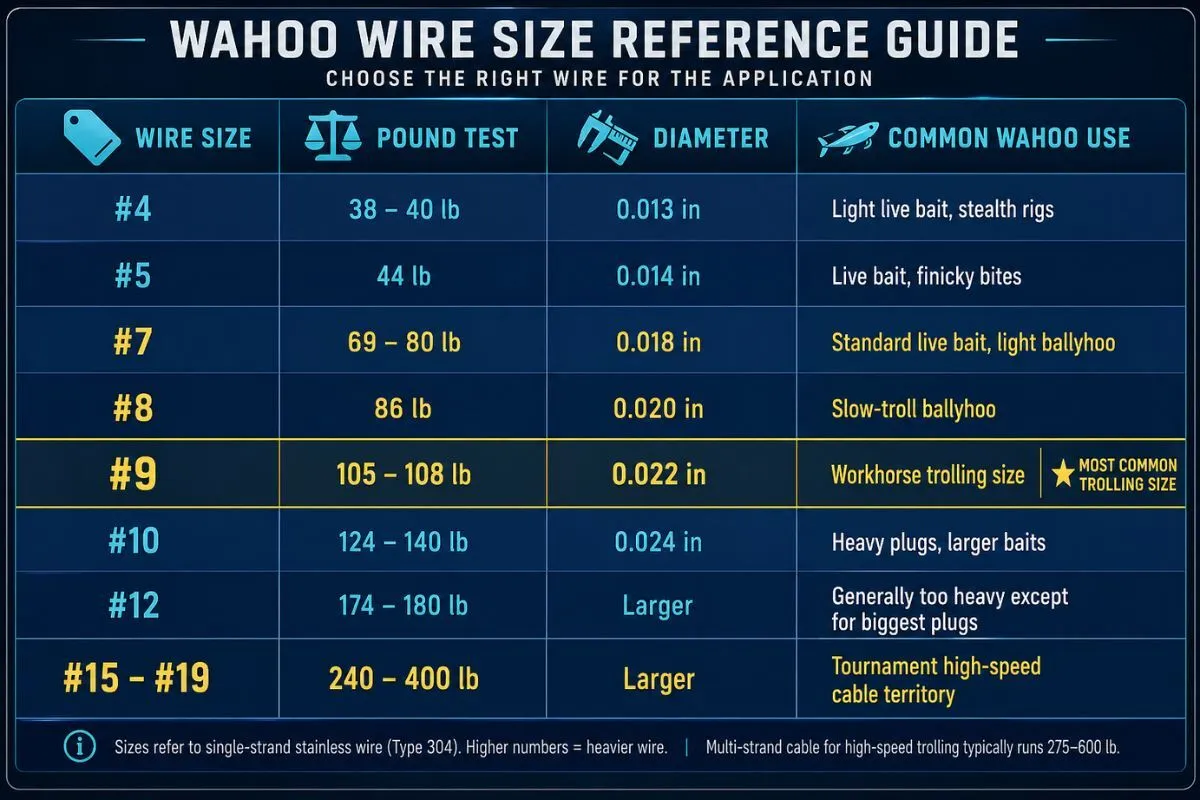
The Carolinas slow-trolling consensus is #9 single-strand, bright or coffee finish. Anything heavier reduces lure action without meaningful added protection. Multi-strand cable for trolling typically runs 175 to 600 lb, sized to the lure body and trolling weight rather than the fish itself.
How Do You Build a High-Speed Wahoo Trolling Leader?
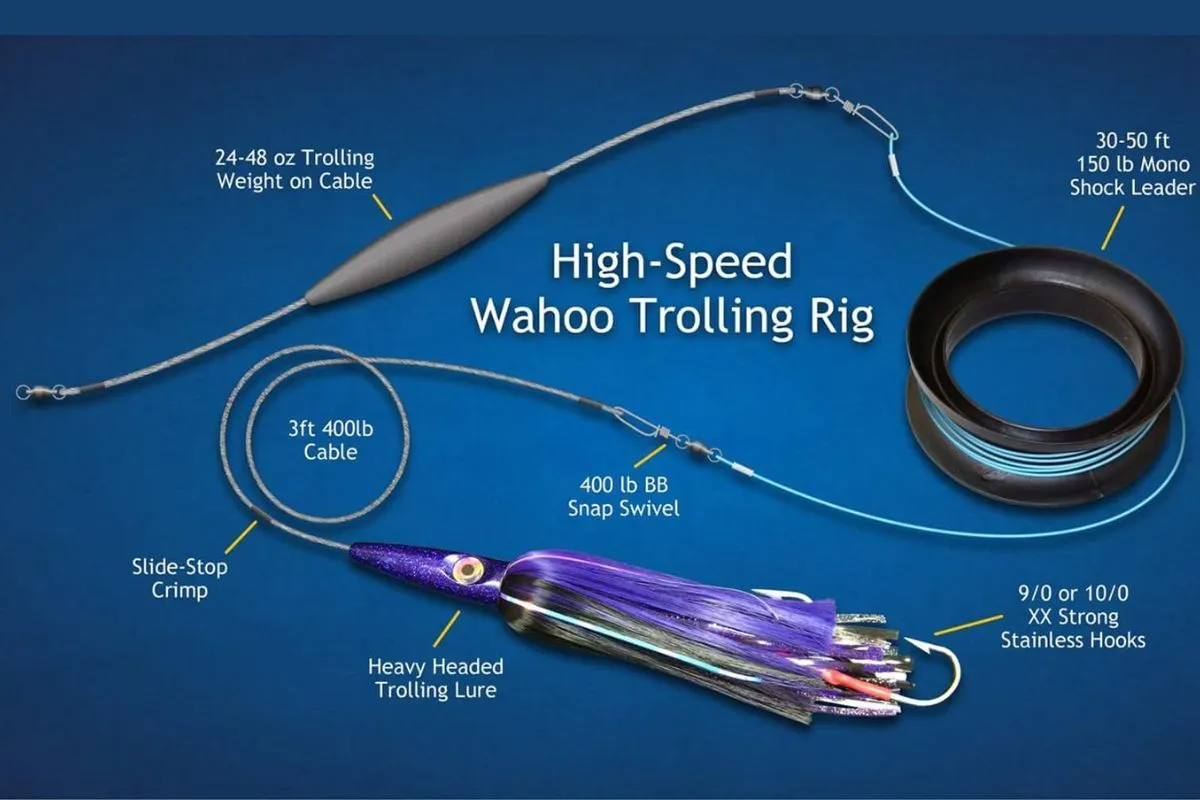
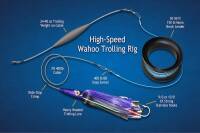
High-speed trolling at 12 to 18 knots demands a layered system because no single component absorbs both the trolling load and the strike shock. The architecture stacks five elements between the reel and the hook.
The mainline is 50 to 80 lb braid. Thin diameter cuts drag at speed, and zero-stretch drives hooks home at long distances behind the boat.
The trolling weight, typically 24 to 64 oz, runs stranded wire through the lead body with chafe gear on both ends. Wahoo strike trolling weights regularly, and a lead rigged with mono will be lost the first time it happens.
The shock leader is 20 to 30 feet of 200 to 300 lb monofilament. The longer end of that range is the long-range and tournament standard. Its job is to absorb the strike force that braid mainline transmits directly to the bite leader. Without it, hooks pull and crimps fail.
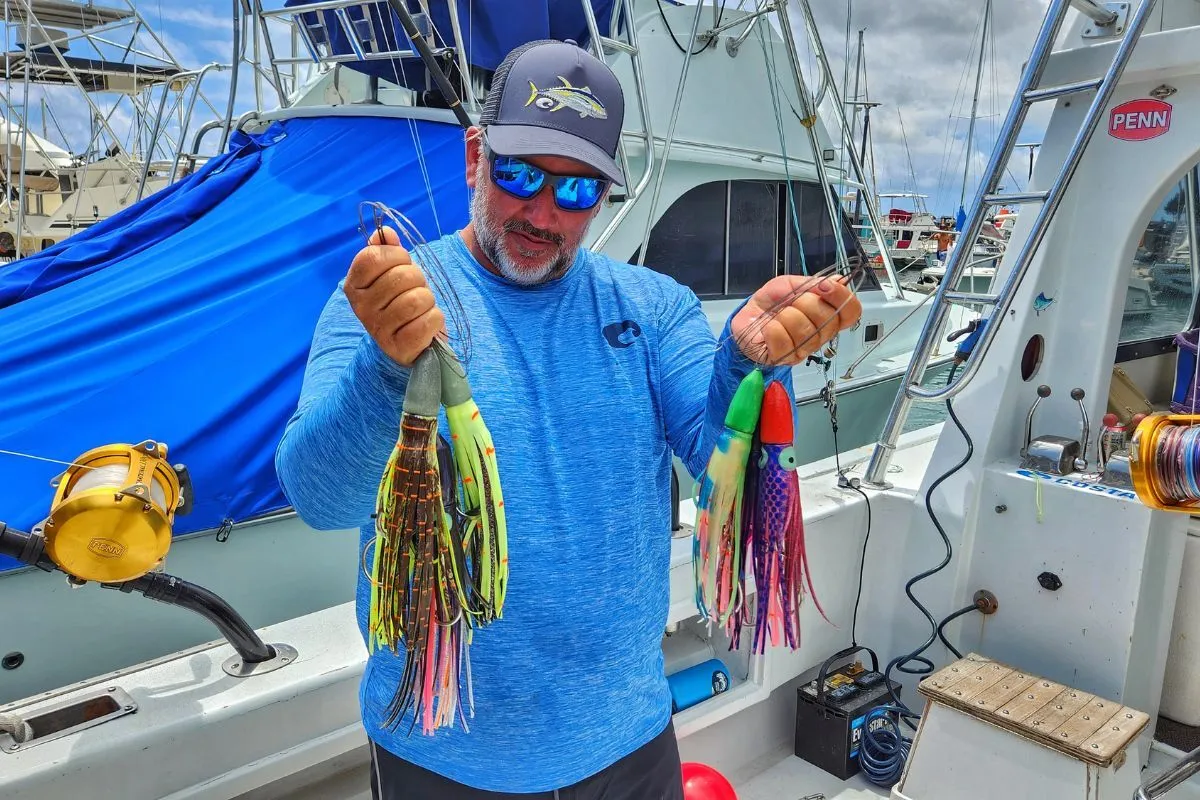
The bite leader is where applications diverge. For most slow to mid-speed trolling, 4 to 6 feet of 175 to 275 lb stranded wire handles the job. For heavy-tackle high-speed and tournament-class rigs, 480 to 980 lb 7x7 cable comes into play, matched to the lure body and target fish size. Stranded wire beats single-strand at high speed because vibration fatigue eventually breaks single-strand at the lure connection.
For deeper coverage, see RJ Boyle's high-speed trolling course and Corey Burlew's spread management course.
How Do You Rig for Slow Trolling Wahoo?
Slow trolling at 6 to 9 knots is the quieter, more efficient cousin of high-speed. It excels on pressured fish, on calm days when wahoo refuse fast lures, and on long days when fuel economy matters. Skirted ballyhoo dominates this technique.
Many slow-troll ballyhoo rigs use roughly 6 to 10 feet of #9 single-strand wire, with the exact length adjusted for bait size and pressure. Larger horse ballyhoo and finicky fish call for longer wire; smaller baits and aggressive bites can run shorter. A Sea Witch or Ilander skirt over the bait, a 3/8 oz chin weight, and a 7/0 to 9/0 needle-eye J-hook complete the rig. Both ends finish with haywire twists.
For slow-trolled diving plugs, single-strand wire fatigues quickly. Constant lure vibration work-hardens the wire at the connection, and many anglers lose the lure before a fish bites. The common solution is 175 to 275 lb stranded cable crimped to a ball bearing swivel. Some captains run heavy fluorocarbon, 250 to 400 lb, on plugs for stealth, accepting the bite-off risk for more strikes from pressured fish.
How Do You Rig Live Bait for Wahoo?
Live-baiting wahoo demands lighter, more refined wire than trolling. The bait must swim naturally, and visibility matters more than pure breaking strength. Approaches vary by region rather than following a universal standard.
The Atlantic and Gulf approach typically runs a minimum of 36 inches of 50 lb wire, with titanium often preferred for reuse. A 4/0 J-hook in the nose and #1 or #2 treble stinger hooks pinned to the bait body cover the strike zones. The wire connects to fluorocarbon through the smallest 60 to 80 lb ball bearing swivel available.
The Pacific long-range approach goes lighter: 12 to 22 inches of 27 to 45 lb single-strand wire, an Owner Flyline 1/0 hook for the nose, and a small black solid ring at the mono connection. Lighter wire produces more bites, but drag has to stay light during the initial run so the fish cannot saw through.
What Leader Works Best for Wahoo Jigs and Bombs?
Casting jigs and wahoo bombs around structure is where heavy fluorocarbon has rewritten the rules. Many anglers report better bite rates with 130 to 200 lb fluoro than with wire on pressured fish, particularly on long-range trips where the same spots get worked daily.
The setup is direct: 65 to 80 lb braid mainline to a three-foot fluorocarbon leader, crimped to the jig or bomb. Drag stays at 20 to 22 lb, heavy enough to drive hooks into the wahoo's hard jaw on the strike. Bite-offs happen, especially on the drop when fish hit a sinking jig from below, but bite rates climb enough that most experienced casters accept the lost lures.
When Do Wind-On Leaders Make Sense for Wahoo?
Wind-on leaders are a connection method, not a separate fishing technique. They solve a specific problem: a bulky swivel-to-mono connection that has to pass through the rod tip, or a heavy leader too long to handle safely at boatside. Wind-ons attach to hollow-core braid through a splice loop and run 60 to 100 feet of 60 to 80 lb monofilament as the main section, terminating in 15 feet of fluorocarbon or wire as the bite section. For wahoo, wind-ons fit best on planer setups and on smaller center consoles where short-handed crews cannot manage a long hand-line plus the rod.
What Connections Should You Use for Wahoo Leaders?
Connections fail more often than wire does. The right connection for the right material is not optional.
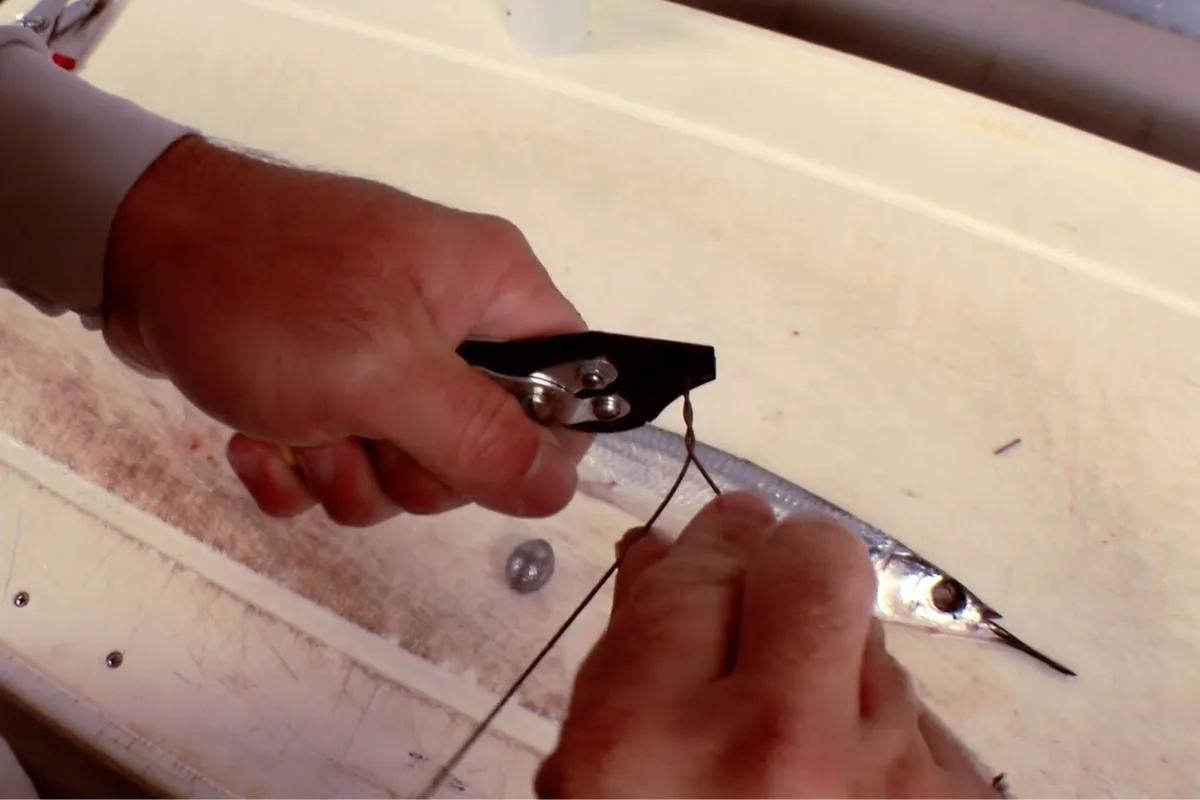
The haywire twist is the standard for single-strand wire. Done correctly, the connection is stronger than the wire itself. The critical detail most anglers miss: the two wires must twist around each other in a helical pattern, not one wire wrapping around a straight standing leg. The latter slips under load. Standard form is four to five helical twists, then five to six tight barrel wraps, finished by bending the tag at 90 degrees and rotating until it breaks. Cutting the tag leaves a razor edge that slices hands and lines.
Crimping is required for stranded cable and heavy fluorocarbon. Match the crimp size to the wire diameter, and use zinc or nickel-plated copper sleeves with stainless cable to prevent galvanic corrosion. Crimp the middle of the sleeve, not the ends, because a wahoo death-spiral can drag the leader against sharp crimp corners and saw through.
Hardware That Saves Fish
Three hardware details quietly determine whether leaders hold or fail.
Solid rings paired with split rings: Connecting wire or mono directly through a split ring causes the leader to wedge into the gap and saw through. Owner solid rings attached to quality split rings eliminate the problem.
Ball bearing swivels: Standard barrel swivels lock under load and twist mainline. Ball bearing models in matching breaking strength rotate freely under drag pressure.
How Do You Choose Wire, Mono, or Fluorocarbon?
The wire-versus-fluorocarbon decision is rarely a pure either-or. Many anglers run wire for bite protection on some rigs and fluorocarbon or mono for stealth on others, switching based on what the fish are showing. Four variables drive the decision.
Water clarity: Clear blue water is fluorocarbon's best case. Stained or off-color water reduces the visual penalty of wire and tilts the decision back toward bite protection.
Fishing pressure: Heavily fished spots see leader-shy fish that refuse heavier wire and reward fluorocarbon. Unpressured water lets wire produce without penalty.
Presentation type: High-speed trolling runs cable bite leaders. Slow-troll ballyhoo runs wire near-universally. Casting and jigging is where fluorocarbon dominates.
Trip length: Day trips can afford to lose lures. Multi-day long-range trips reward titanium and stranded wire that survive multiple fish.
How Do Wahoo Leader Preferences Vary by Region?
Regional fisheries have developed their own leader preferences over decades, shaped by water clarity, fish size, pressure, and dominant techniques.
Florida East Coast and Keys. High-speed trolling dominates, with 30-foot mono shock leaders and stranded cable bite leaders. Slow-troll ballyhoo with #9 single-strand is the secondary technique. Big wahoo and clear blue water push some anglers toward heavy fluoro on plug and casting rigs.
Bermuda and Bahamas. Live-baiting with 36 inches or more of titanium or single-strand wire is heavily practiced. Very large wahoo and pressured banks reward stealth, and many captains run the smallest swivels and lightest wire the bite will tolerate.
Carolinas and Mid-Atlantic. Slow trolling dominates, with #9 single-strand as the workhorse. Planer rigs see heavy use. High-speed setups come out for transit between spots and on fast bite days.
West Coast Long-Range. Heavy fluorocarbon (130 to 200 lb) is standard for casting and jigging. Light single-strand and titanium handle live bait. Stranded cable runs the trolling plugs, especially Marauders and DTX Minnows.
When Should You Retire a Wahoo Leader?
Leaders are consumables. Single-strand wire with any visible kink is finished, because the microstructure at the kink is permanently weakened and cannot be straightened. Stranded cable with broken individual strands or visible fraying is also done; even one broken strand reduces overall strength disproportionately. Crimped sleeves that show crushing, splitting, or movement under hand pressure should be cut off and re-crimped. Heat-shrink tubing that has cracked, slid, or sun-damaged no longer holds hook orientation and should be replaced. Any abrasion or scoring at the hook end is a failure point waiting to happen. After landing any large wahoo, inspect the entire leader before the next pass.
What Are the Most Common Wahoo Leader Failures?
Several failure modes appear over and over in the experience of anglers who fish wahoo seriously.
- Single-strand fatigue on vibrating plugs. Switch to stranded cable on Nomads, DTX Minnows, Marauders, and similar plugs.
- Leaders sawing through split rings. Add a solid ring between the leader and the split ring on every plug.
- Wahoo cutting at the snap swivel. Run wire all the way through chin-weighted ballyhoo rigs, or bump a short wire piece through the chin weight as a tooth-proof bumper.
- Wire too short for the fish. Below 16 inches, large wahoo can swallow the bait past the wire.
- Improper crimping. Crimp the middle of the sleeve and pull-test before deployment.
- Drag set too heavy on light wire. Light live-bait wire saws through under heavy initial drag. Back drag off until after the first run.
Wahoo Leader Pre-Trip Gear Checklist
Build leaders before the trip, not on the water. The minimum tackle list for a wahoo trip includes:
- Single-strand wire spools in #5, #7, #9, and #10
- Stranded cable in 175, 275, and 480 lb depending on application
- Heavy fluorocarbon in 130, 150, and 200 lb for casting and stealth applications
- Crimping sleeves matched to every wire diameter on the boat
- Hand crimper, with a bench crimper as backup for heavy cable
- Haywire twist tool for single-strand connections
- Heat-shrink tubing in multiple diameters and a lighter or torch
- Ball bearing swivels in 80, 230, and 400 lb
- Owner solid rings in multiple sizes plus split-ring pliers
- Chafe tubes for loop protection inside crimps
- Pre-tied backup rigs of every type used in the spread
Wahoo Leader FAQ
What pound test wire should you use for wahoo trolling?
For slow trolling ballyhoo and light plugs, #9 single-strand wire (105 to 108 lb test) is the workhorse. For high-speed trolling, switch to 175 to 600 lb stranded cable matched to the lure body and target fish size. For live bait, 27 to 50 lb single-strand or titanium produces more bites than heavier wire.
How long should a wahoo leader be?
A high-speed trolling leader runs 20 to 30 feet of mono shock leader plus 4 to 6 feet of cable bite leader. Slow-troll ballyhoo rigs use 6 to 10 feet of wire. Live-bait wire should be at least 16 inches and often longer to clear the wahoo's mouth at hookset. Casting leaders are typically three feet of fluorocarbon.
Can wahoo bite through 130 lb fluorocarbon?
Yes. Wahoo teeth slice rather than crush, and even 200 lb fluorocarbon cuts under direct tooth contact. Fluorocarbon works for wahoo because most strikes hit the lure or hook, not the leader, and the increased bite rate from reduced visibility offsets occasional losses.
Do you need a shock leader for wahoo?
A shock leader is required for high-speed trolling, where braid mainline transmits full strike force to the bite leader. Slow trolling with monofilament topshots can skip the dedicated shock leader. Live-bait and casting setups do not need one.
Is titanium wire worth the cost for wahoo?
For live-bait and stealth applications where leader reuse matters, yes. A single Knot 2 Kinky leader can survive multiple fish without kinking. For high-speed trolling cable applications, conventional stainless still dominates.
What knot connects single-strand wire to a hook?
The haywire twist. Done correctly, with helical twists followed by barrel wraps, it is stronger than the wire itself.
Building a Wahoo Leader Program That Catches Fish
The anglers who consistently put wahoo on the deck are not the ones with the strongest leaders. They are the ones who match the leader to the application, the water, and the bite, and rotate when conditions change. A 30-foot mono shock leader with stranded cable behind a 32 oz weight is the right answer at 14 knots. It is the wrong answer behind a sardine on a flyline at the Ridge.
Build leaders for each application before the trip, pull-test every connection, retire kinked single-strand, and carry backup rigs of every type. For deeper coverage, the In The Spread wahoo course library pairs leader knowledge with the on-water decisions that put it to use, including instruction from RJ Boyle, Mike Dupree, Shawn Rotella, and Arthur Bjontegard.
Seth Horne Founder, CEO, and Chief Fishing Educator at In The Spread
Login
to leave a review.
User Reviews
There are no reviews yet.
Complete Dredge Pulley Setup Guide
Saltwater
12.28.2020
High Speed Wahoo Trolling Rig
Saltwater
09.08.2018
Fishing Light Tackle for Yellowfin Tuna
Saltwater
09.08.2018
0