
Successful offshore anglers share one thing in common: they've learned proven techniques from experts who consistently catch fish. Our comprehensive fishing courses compress years of on-water experience into focused instruction covering tuna, marlin, wahoo, swordfish and advanced tactics you can apply immediately.
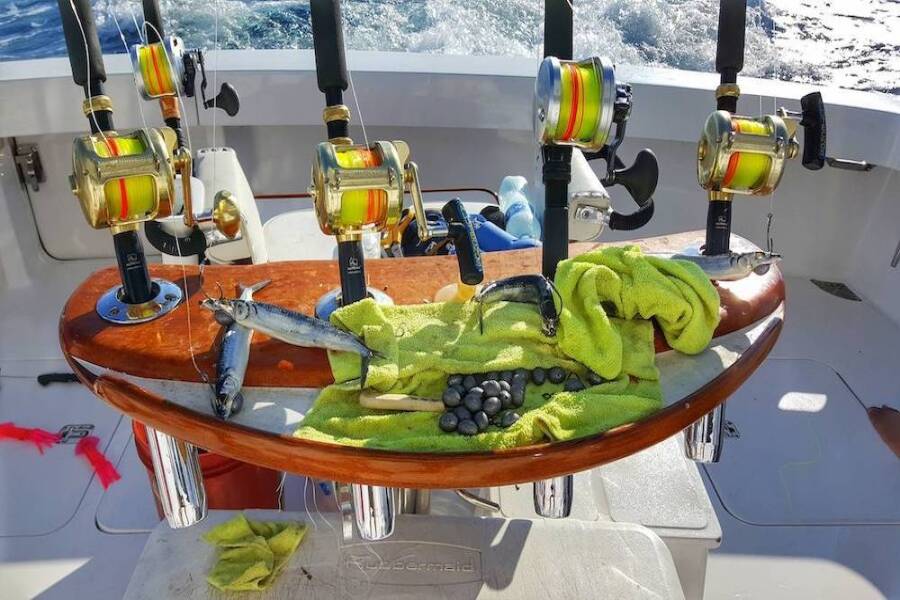
Learn Offshore Fishing: Expert Video Courses & Techniques
How to Learn Offshore Fishing: Video Courses & Tactics
Learning offshore fishing techniques doesn't happen by accident. The anglers who consistently catch fish further from shore have invested serious time building their knowledge base, either through years on the water or by learning from those who've already mastered the game. If you don't have decades to figure it out through trial and error, a structured saltwater fishing video course can compress years of learning into focused instruction you can apply immediately.
Why Does Offshore Fishing Require Specialized Knowledge?
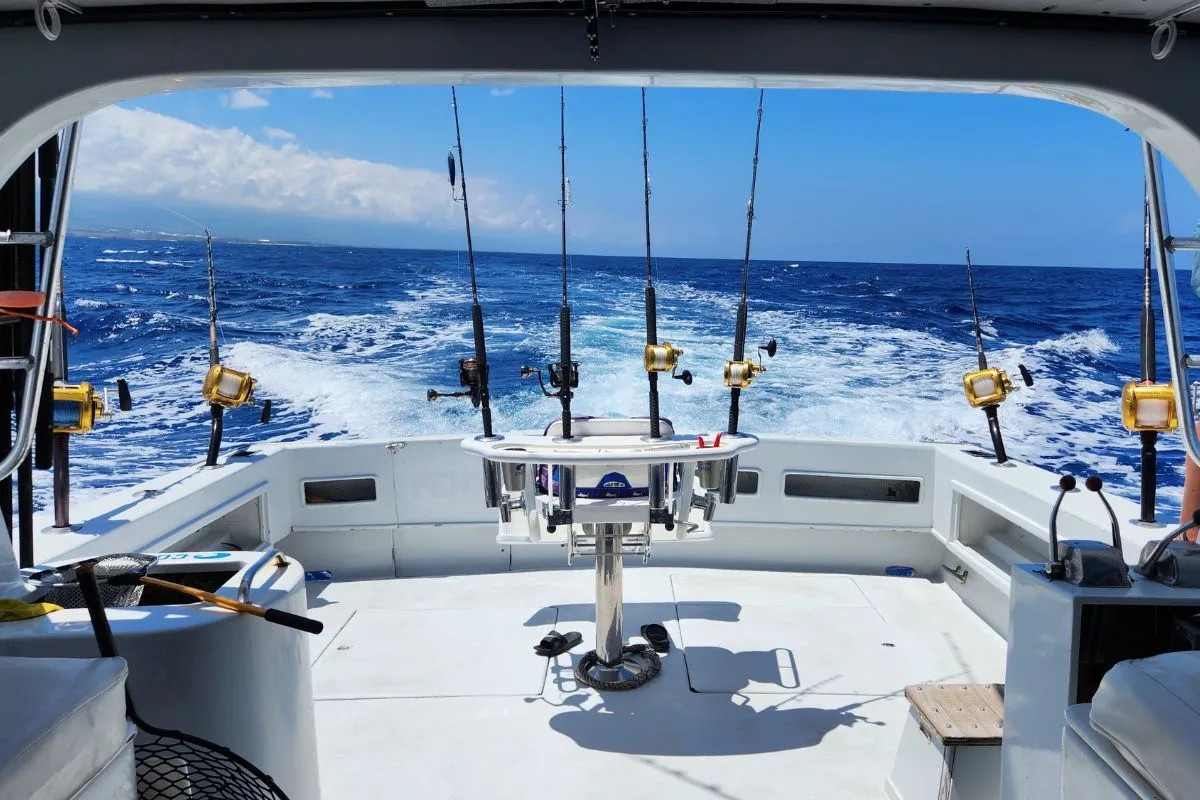
The simple answer? Margin for error shrinks dramatically the further you travel from shore. Unlike inshore or nearshore fishing where you can experiment relatively safely, offshore fishing demands a higher level of technical knowledge across multiple disciplines.
Consider what's at stake when you run 40, 60, or 100 miles offshore. You're dealing with significant fuel costs, weather considerations, navigation challenges, and the need for properly maintained equipment that won't fail in rough conditions. The financial investment alone justifies getting your education right before you make costly mistakes on the water.
But beyond the practical concerns, offshore fishing presents genuinely complex technical challenges. You need to understand:
- How different species respond to water temperature, current breaks, and structure
- Which rigging approaches work for specific techniques like trolling, chunking, or live baiting
- How to read electronics and identify productive areas in open water
- Proper boat positioning relative to bait, current, and structure
- Advanced tackle selection for different depths and target species
How Can a Saltwater Fishing Videos Accelerate Your Learning?
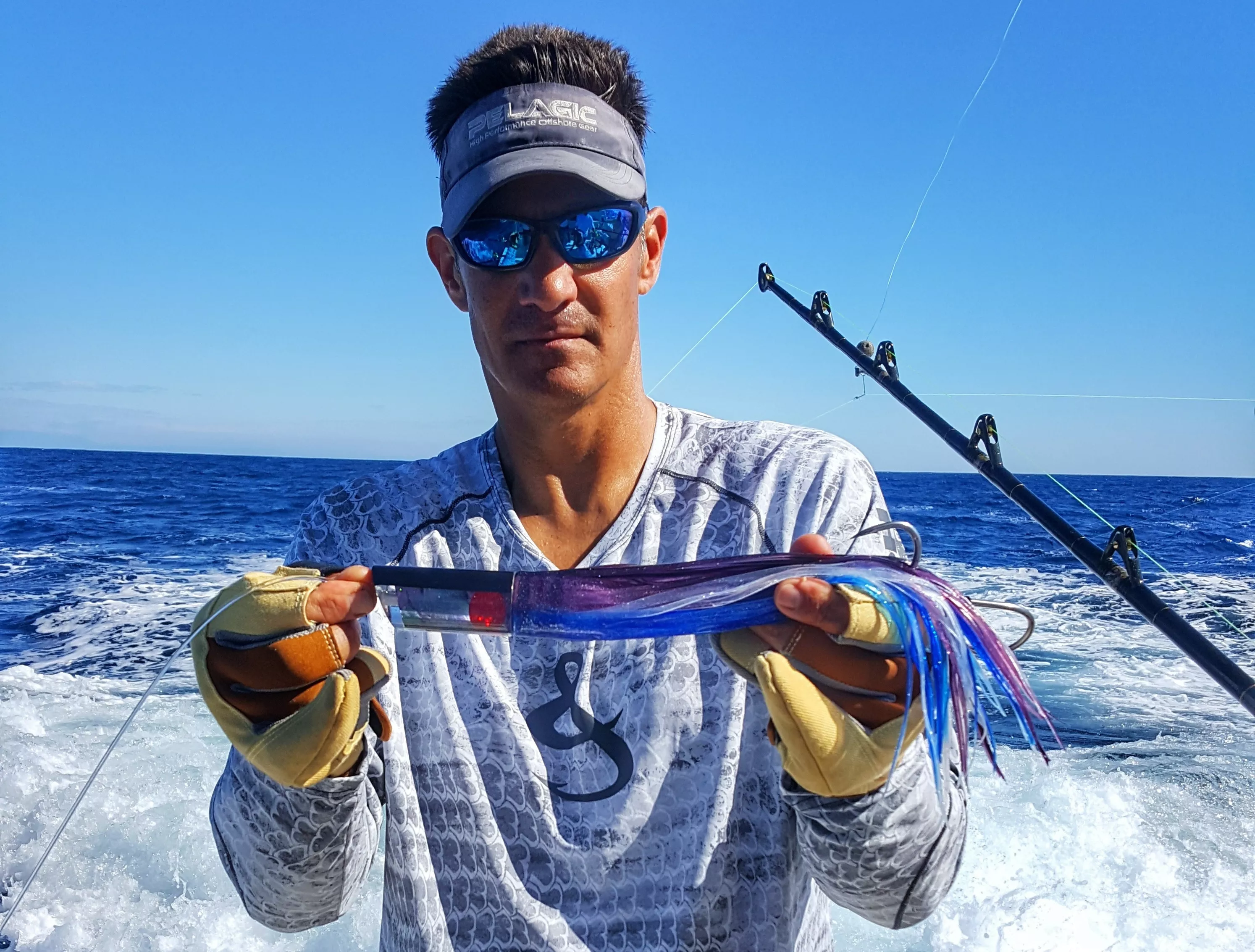
Think about how you learned most complex skills in your life. Chances are, the fastest progress came when someone who truly understood the subject showed you exactly how it's done, explained why it works, and helped you avoid common pitfalls. Offshore fishing video instruction works the same way.
The traditional path to offshore fishing competence involves years of trial and error. You'd typically need to fish alongside experienced captains, pay for charter after charter to observe techniques, or invest thousands of hours (and thousands of dollars in fuel and tackle) figuring things out yourself. Even then, you'd likely develop regional limitations, only understanding the specific fishery you've experienced.
A well-designed fishing video course collapses that timeline dramatically. Instead of spending five years making the same mistakes everyone makes, you can learn proven techniques for targeting specific species in a matter of hours. You'll see exactly how top-tier anglers rig their baits, position their boats, read their electronics, and make decisions in real fishing scenarios.
What Offshore Species and Techniques Should You Learn?
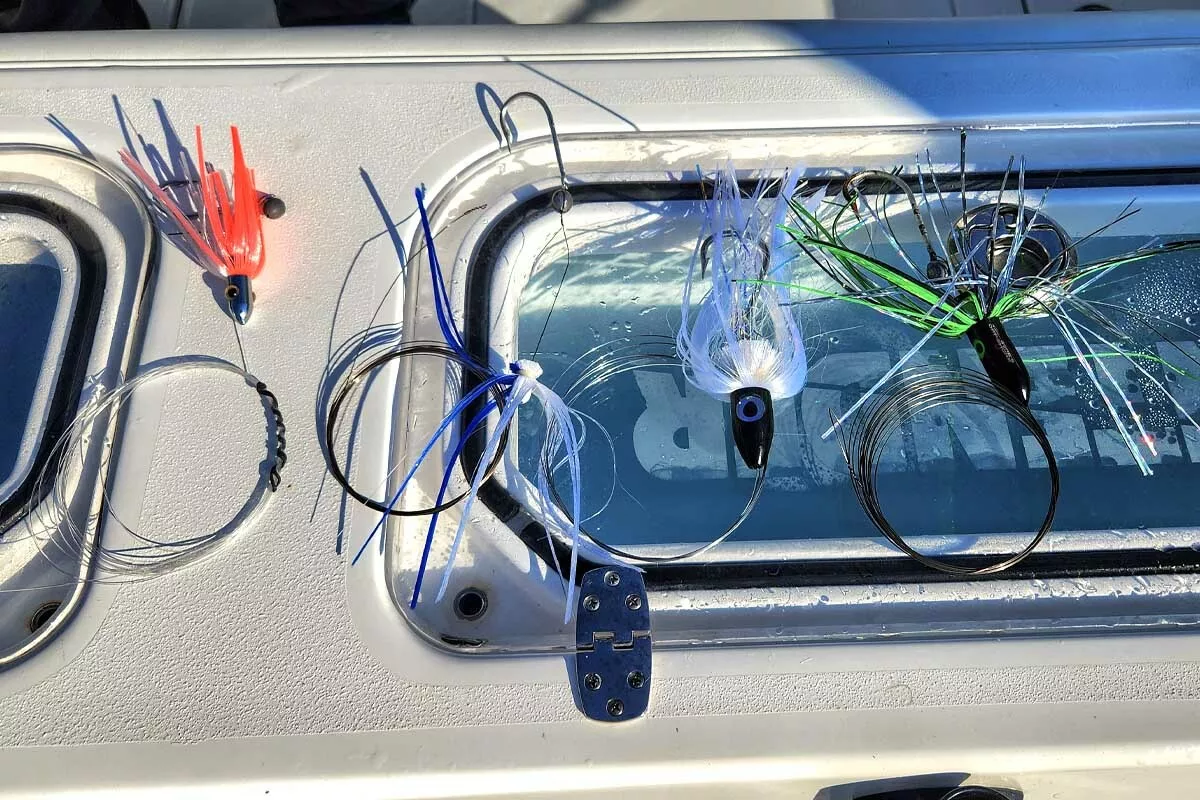
Offshore fishing education needs to be species-specific because different gamefish require completely different approaches. The tactics that work for daytime swordfish bear almost no resemblance to high-speed wahoo trolling or chunking for bluefin tuna. Our course library covers the major offshore species anglers pursue, with deep dives into techniques that actually produce fish.
For tuna fishing, you'll find instruction ranging from beginner trolling spreads to advanced chunking and live baiting techniques. We cover yellowfin, bluefin, blackfin, and bigeye tuna across different fisheries, showing you how each species behaves and how to target them effectively. Whether you're learning how to catch tuna for the first time or refining advanced tactics, the courses break down every aspect from tackle selection to fighting techniques.
Marlin fishing video courses take you through the entire process of blue marlin, white marlin, and sailfish tactics. You'll learn proper teaser work, bait and switch techniques, live baiting, and how to work with a tournament-level crew. The instruction covers everything from rigger placement to fighting fish on stand-up tackle.
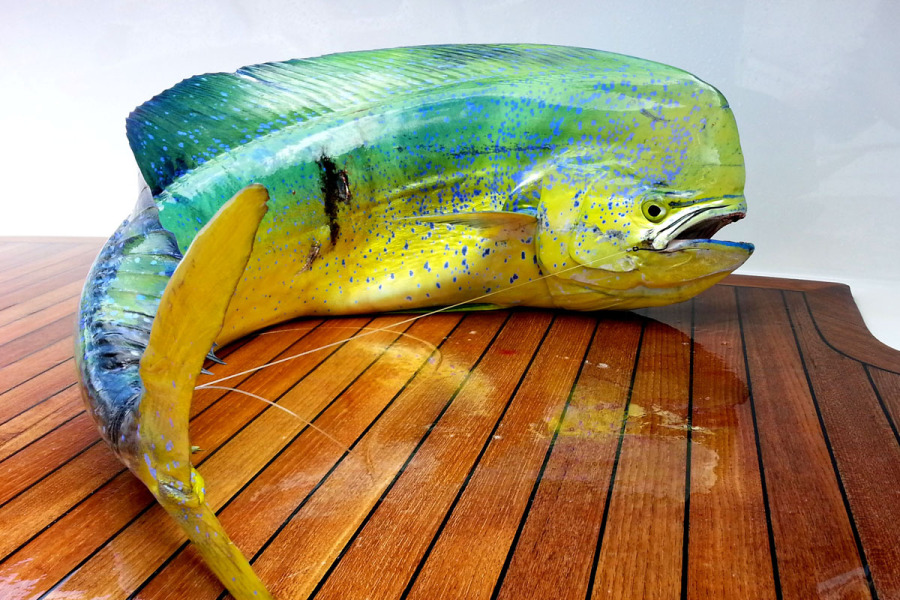
If you're interested in wahoo fishing techniques, we show you both high-speed trolling methods and slower presentations that trigger bites. You'll see the specific rigs, wire requirements, and lure choices that consistently catch these incredibly fast predators. The same depth of instruction applies to dolphin (mahi-mahi), with courses covering everything from weedline fishing to working offshore structure.
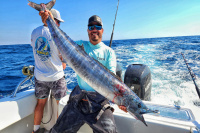
For anglers pursuing swordfish, our videos detail both daytime deep-dropping techniques and nighttime fishing methods. You'll learn specialized tackle requirements, depth control, bait presentations, and how to handle these powerful fish once hooked.
Offshore Fishing Videos
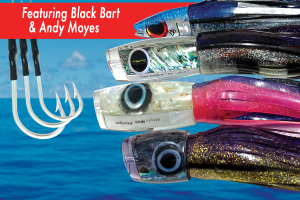
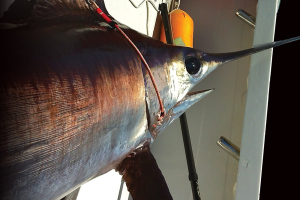
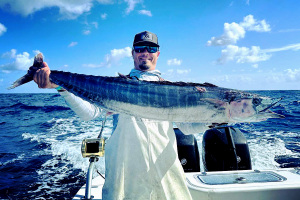
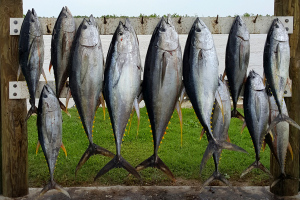
How Does Learning from Multiple Fisheries Improve Your Skills?
One of our core approaches at In The Spread involves featuring experts from different geographic regions and fisheries for each species. This isn't just variety for variety's sake. It fundamentally improves how well you understand offshore fishing.
Here's why: A captain who's mastered bluefin tuna fishing in the Northeast has developed specific tactics for dealing with cold water, specific forage patterns, and regional sea conditions. A different captain targeting the same species in the Gulf of Mexico or off Southern California faces completely different variables. Different water temperatures, bait species, bottom structure, and seasonal patterns require adapted approaches.
When you learn from multiple experts across different fisheries, you develop a more complete understanding of how species behave and why certain techniques work. You start seeing patterns that aren't obvious when you only know one approach. You understand which aspects of a technique are universal principles and which are regional adaptations.
This cross-pollination of knowledge from different fisheries gives you a tremendous advantage. When you encounter a situation on your home waters that doesn't match the typical pattern, you have a broader toolkit to draw from. You can adapt techniques you've learned from other regions to solve problems in your own fishing.
What Makes an Effective Fishing Video for Offshore Anglers?
Not all fishing instruction delivers equal value. The difference between watching someone catch fish and actually learning how to replicate their success comes down to how the information is presented and what level of detail is included.
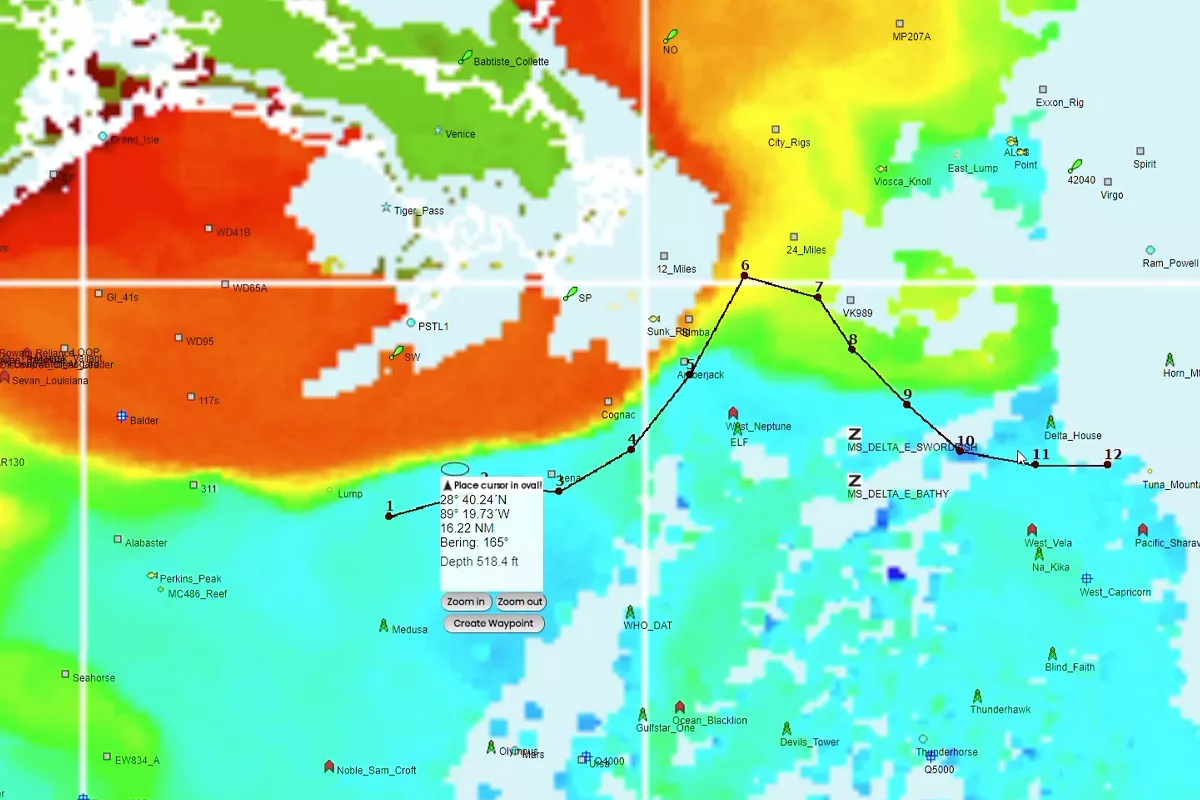
Effective offshore fishing video instruction needs to go beyond just showing fish being caught. The videos that actually improve your fishing break down the complete tactical picture. You need to see and understand the decision-making process that led to success. Why did the captain choose that specific location? What did the electronics show? How did water temperature factor into the decision? What made them select one bait or rig over another?
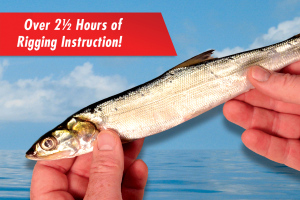
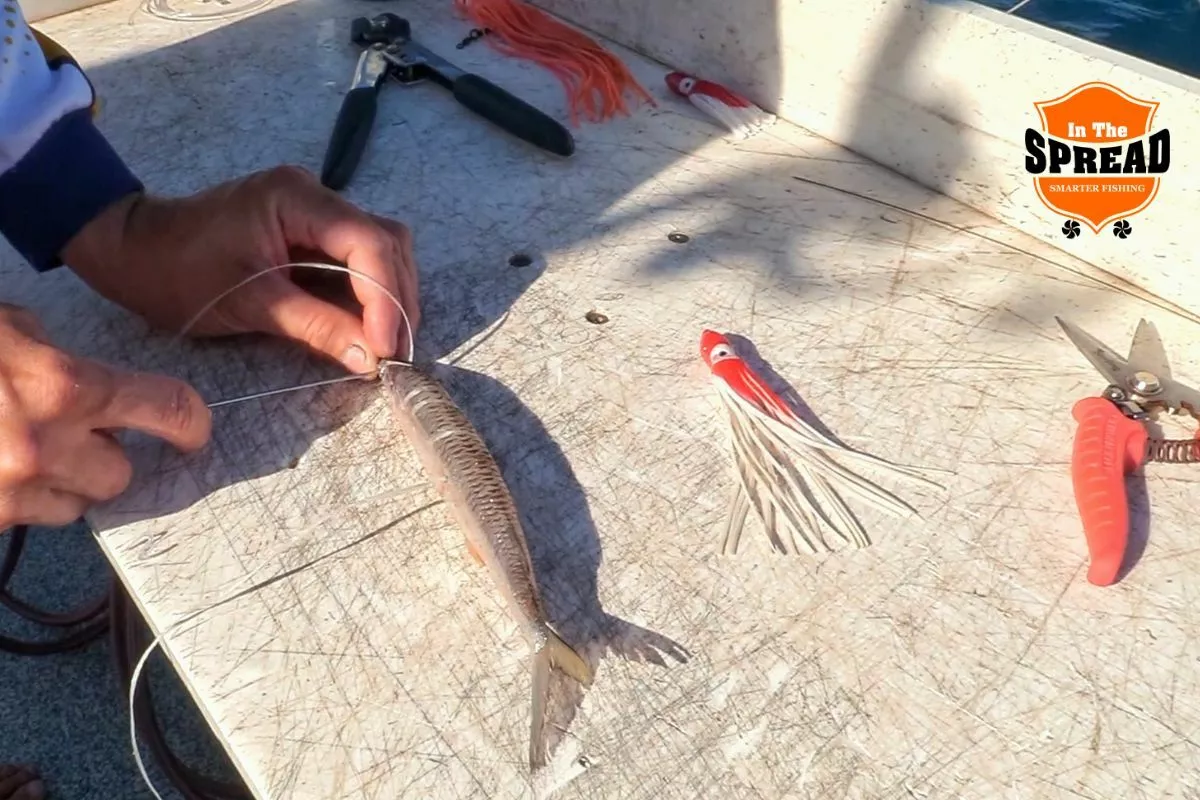
The production quality matters because offshore techniques often involve subtle details. You need clear footage of rigging procedures, knot tying, leader construction, and bait preparation. Camera angles should show exactly how connections are made, how much leader to use, and proper crimping techniques. Audio quality needs to capture the expert's explanations without wind noise or engine interference.
Comprehensive coverage means addressing the full spectrum from basic to advanced. A beginner needs fundamental instruction on trolling spreads, basic rigging, and tackle selection. Advanced anglers want to see nuanced techniques, fine-tuning approaches, and expert-level decision making in challenging conditions.
Frequently Asked Questions About Learning Offshore Fishing
How long does it take to learn offshore fishing techniques?
The timeline depends on your starting knowledge and how much you're willing to study. Someone with inshore experience can grasp basic offshore trolling techniques in a weekend of focused instruction, but developing true competence across multiple techniques and species typically takes months of study combined with on-water practice. A structured fishing video course dramatically shortens this timeline compared to trial-and-error learning, which can take years.
What's the difference between watching fishing videos and taking a fishing course?
Random fishing videos on YouTube show you what happened during one trip. A structured saltwater fishing course teaches you the underlying principles and techniques you can apply consistently. Quality courses include comprehensive rigging instruction, tactical decision-making frameworks, and expert commentary explaining why certain approaches work. You're learning a system, not just watching entertainment.
Can beginners learn offshore fishing from video instruction?
Absolutely. The key is starting with videos designed for your skill level. Look for instruction that covers fundamental rigging, basic trolling spreads, essential tackle knowledge, and safety considerations. Many anglers find that learning proper techniques from the start prevents developing bad habits that are harder to correct later. Offshore fishing for beginners works best when you build a solid foundation before attempting advanced techniques.
Which offshore species should you learn to target first?
For most anglers, starting with dolphin (mahi-mahi) or smaller tuna species makes sense. These fish are relatively abundant, don't require the most expensive tackle, and provide good action for learning basic offshore techniques. Once you're comfortable with trolling, rigging, and boat handling, you can progress to more challenging species like marlin, swordfish, or giant bluefin tuna.
How do you choose between different fishing courses?
Evaluate the instructor's credentials and actual fishing success. Look for comprehensive coverage of techniques, not just highlight reels. Check production quality to ensure you can actually see rigging details clearly. Consider whether the fishing video covers your target species and your local fishery. The best offshore fishing videos come from working captains with proven track records, not just personalities with large social media followings.
Is offshore fishing instruction worth the investment?
Consider the alternative costs. A single offshore trip burning 200 gallons of fuel represents $600-800 in fuel alone. Add tackle losses, mistakes with expensive gear, and unproductive days on the water, and most anglers spend thousands learning through trial and error. Quality instruction that prevents even a few costly mistakes pays for itself immediately while dramatically increasing your catch rates.
Start Building Your Offshore Fishing Knowledge Today
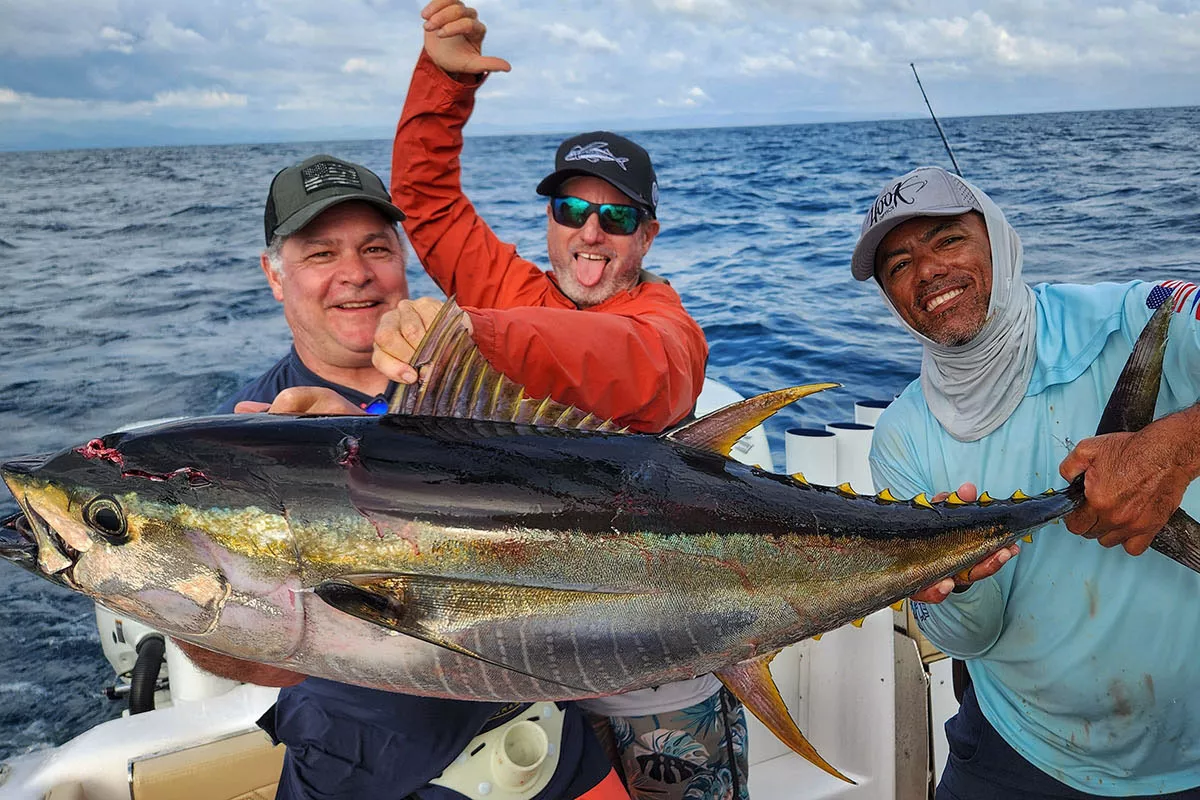
The gap between consistently successful offshore anglers and those who struggle almost always comes down to knowledge. Understanding proper techniques, making smart tactical decisions, and fishing with confidence built on solid instruction gives you an enormous advantage every time you leave the dock.
At In The Spread, we've assembled the most comprehensive library of offshore fishing video courses available anywhere. You'll learn from captains and anglers who operate at the highest levels across multiple fisheries worldwide. The instruction covers everything from absolute beginner techniques to expert-level tactics for trophy fish.
Whether you're learning how to fish offshore for the first time or you're an experienced angler looking to add new species and techniques to your repertoire, our courses give you the detailed tactical knowledge you need. Every hour you invest in education translates directly into more productive, more successful, and more satisfying time on the water.
Login
to leave a review.
User Reviews
There are no reviews yet.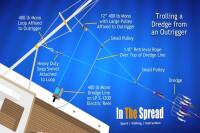
Setting Up a Dredge Pulley for Billfish
Saltwater
12.28.2020
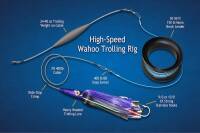
High Speed Wahoo Trolling Rig
Saltwater
09.08.2018
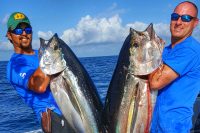
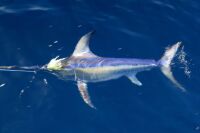
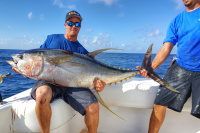
Fishing Light Tackle for Yellowfin Tuna
Saltwater
09.08.2018
0