
- Saltwater Fishing Lures (22)
- Wahoo Fishing Videos (20)
- Blue Marlin Fishing (19)
- Yellowfin Tuna Fishing (17)
- Dolphin Fishing Videos (16)
- Marlin Lures Videos (15)
- Planer Fishing Videos (13)
- Snook Fishing Videos (12)
- Boat Positioning Videos (12)
- Redfish Fishing Videos (11)
- Reef & Wreck Fishing (10)
- Bait Rigging Videos (9)
- Big Game Legends (9)
- Seatrout Fishing Videos (8)
- Fishing Tackle Videos (8)
- Bottom Fishing Videos (8)
- Satellite Fishing Maps (7)
- Mangrove Snapper Fishing (6)
- Swordfish Fishing Videos (5)
- Grouper Fishing Videos (4)
- Bluefin Tuna Fishing (4)
- Black Drum Fishing (3)
- Tarpon Fishing Videos (3)
- Ballyhoo Bait Rigging (3)
- Jigging Techniques (3)
- Saltwater Culinary Creations (3)
- Roosterfish Fishing Videos (3)
- Cobia Fishing Videos (2)
- Sailfish Fishing Videos (2)
- Sheepshead Fishing Videos (2)
- Dredge Fishing Videos (2)
- Tilefish Fishing Videos (2)
- Giant Trevally Fishing (2)
- Saltwater Flies (1)
- Kayak Fishing Videos (1)
- Permit Fishing Videos (1)
- Fighting Chair Techniques (1)
- Tripletail Fishing Videos (1)
- Red Snapper Fishing (1)
- Mutton Snapper Fishing (1)
Start fishing better with FREE Weekly Video Tips delivered straight to your email.
Reef and Wreck Fishing Videos: Jigging, Trolling, and Bait
Browse Video LibraryReef and wreck fishing puts you directly over the most productive water in saltwater angling. Unlike open water trolling, fishing artificial reefs, natural ledges, and shipwrecks concentrates your effort where fish actually live. The structure creates current breaks, ambush points, and feeding zones that attract everything from snapper and grouper to big amberjack and cobia.
Learning how to fish structure effectively separates occasional catches from consistent action. Our fishing video courses break down the techniques professional captains use daily, covering vertical jigging methods, drift fishing approaches, and nearshore trolling patterns that produce around wrecks, oil rigs, and reef systems.
Featured Instructors
-
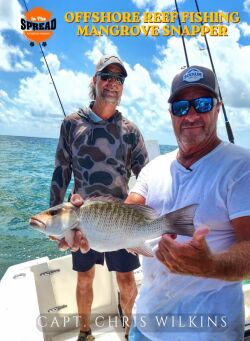
Mangrove Snapper - Offshore Reef Fishing with Chris Wilkins
1:23:12 · Chris WilkinsOffshore mangrove snapper fishing is a game of position and presentation. Capt. Chris Wilkins shows how he sets up on hard bottom, tightens spread-out summer fish with chum, and keeps a jighead in the strike zone when layered current tries to lift it.
WATCH NOW -
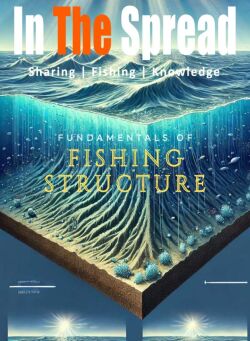
Fundamentals of Fishing Structure: Mike Hennessy
3:05 · Mike HennessyNinety percent of feeding fish concentrate in just 10% of the water around structural features where current creates predictable feeding zones. Mike Hennessy's fundamentals reveal how structure serves as fish highways, ambush points, and current breaks, requiring anglers to identify where flow hits features head-on and position boats for natural bait presentation with current.
WATCH NOW -
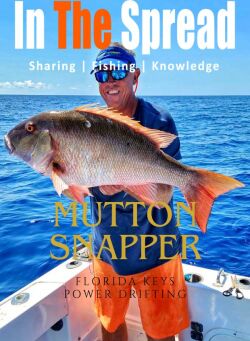
Mutton Snapper Bottom Fishing with Ryan Van Fleet
1:19:40 · Ryan Van FleetPower drifting for mutton snapper in Florida Keys maintains boat positioning over productive bottom while presentations work through strike zones systematically. Ryan Van Fleet's expertise reveals when long versus short leaders create natural bait presentations, bait variety importance as feeding preferences shift with tides, and recognizing subtle bites requiring differentiation between current movement and actual strikes.
WATCH NOW -
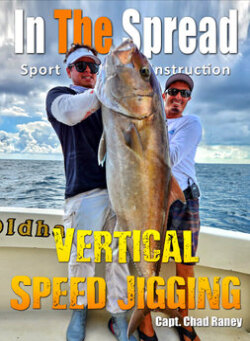
Basics of Vertical Jigging
20:08 · Chad RaneyVertical jigging effectiveness on deep wrecks, reefs, and oil platforms depends on understanding how high-speed versus slow-pitch presentations trigger different fish responses. Captain Chad Raney's straightforward approach covers rod, reel, rig, and jig fundamentals for speed jigging that targets both pelagic species and structure-oriented fish like amberjack, grouper, snapper, and wahoo holding around vertical formations.
WATCH NOW -
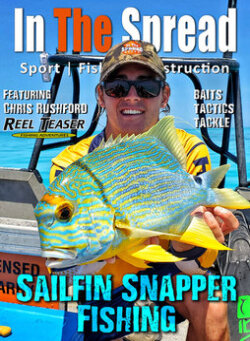
Sailfin Snapper Fishing
24:59 · Chris RushfordSailfin snapper rarity and camouflage mastery make location the primary challenge in Indo-Pacific reef fishing. Their blue, purple, and pink coloration blends with coral while brutish fighting power tests tackle immediately upon hookup. Success requires reading specific reef structures where these predators hold and using tackle configurations that withstand powerful runs into structure.
WATCH NOW -
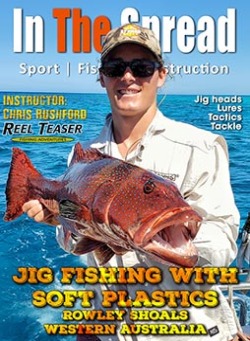
Jigging Soft Plastics on Reef Edges
26:10 · Chris RushfordJig head weight and hook placement determine whether soft plastics swim naturally or spin awkwardly on reef edges where big predators patrol sandy transitions. Improper rigging creates unnatural action that causes fish to track without striking, wasting time in productive zones where correctly rigged plastics trigger aggressive responses from trevally, coral trout, and grouper.
WATCH NOW -
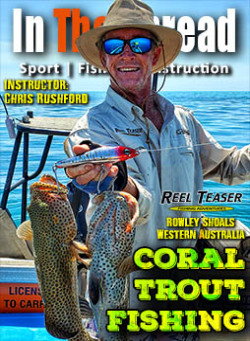
Reef Fishing Coral Trout
35:38 · Chris RushfordCoral trout species patrol Rowley Shoals reef systems based on tidal flow and structure, requiring constant boat repositioning rather than stationary fishing. Success depends on reading how current creates feeding lanes across Clerke Reef and adjusting popper or stick bait presentations to match light conditions and fish positioning throughout tide phases.
WATCH NOW -
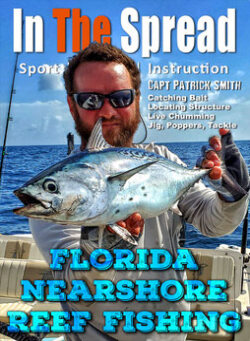
Trolling South Florida Nearshore Reefs
52:19 · Patrick SmithSouth Florida's 350-mile reef system creates nearshore structure where multiple species feed at different depths along the same contours. Trolling efficiency depends on reading reef edges, positioning spreads to match species behavior, and adjusting depth based on whether kingfish, blackfin tuna, or pelagics are holding tight to structure or patrolling current seams above drop-offs.
WATCH NOW -
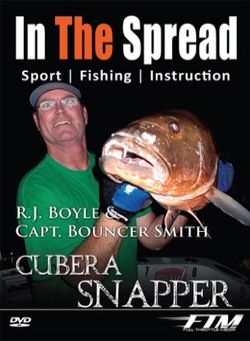
Cubera Snapper - Bouncer Smith Tactics
1:34:31 · Bouncer SmithCapt. Bouncer Smith, a South Florida fishing legend, shares his knowledge on catching cubera snapper, a powerful, finicky reef donkey. He teaches baiting techniques, drag settings, tackle, drift structure, and handling the intense bite and fight. Learn from him to catch cubera snapper and become a smarter fisherman.
WATCH NOW -
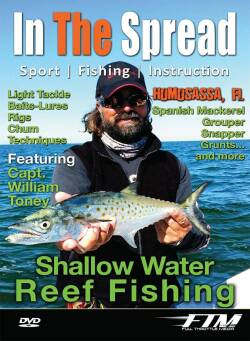
Shallow Water Reef Fishing with William Toney
37:44 · William ToneyCaptain William Toney reveals shallow water reef fishing strategies for Florida Nature Coast patch reefs, rock piles, and spring holes. This video covers identifying productive structure, proper boat anchoring for current and access, understanding seasonal fish migration patterns, and gear and bait selection for mixed species.
WATCH NOW
Go Deeper on Reef and Wreck Fishing
Reef and Wreck Fishing Questions
What is reef and wreck fishing?
Reef and wreck fishing targets the species that live on structure: natural reefs, ledges, rock piles, artificial reefs, oil rigs, and shipwrecks. That structure breaks current, holds bait, and creates ambush points, concentrating fish where they feed. Instead of covering open water, you fish the small percentage of bottom that holds the vast majority of the fish.
How do you find productive reefs and wrecks?
Read your electronics for relief that stands off the bottom and holds bait, and note where current hits the structure head-on, since that upflow edge is where fish stage. Charts, public reef numbers, and side-scan sonar all help, but the productive spots are the ones actively holding bait, not just any mark on the chart.
What methods work on reefs and wrecks?
Structure gets fished many ways. Vertical jigging drops metal to fish holding tight to deep wrecks, bottom fishing and power drifting present bait to snapper and grouper, trolling covers nearshore reef edges for kingfish and pelagics, and poppers or stick baits draw reef fish up on tropical structure. The method matches the species, depth, and water.
What is vertical jigging?
Vertical jigging works a metal jig straight up and down over structure to trigger fish holding on wrecks, reefs, and oil platforms. High-speed jigging draws reaction strikes from aggressive predators like amberjack, while slow-pitch presentations tempt more reluctant grouper and snapper. It is an active, physical technique that keeps the lure in the strike zone with no bait required.
How do you keep a big reef fish out of the structure?
Reef fish like grouper and cubera snapper bolt straight for the rocks on the strike, so the fight is won in the first few seconds. Use heavy tackle and a locked-down drag, keep the rod loaded, and turn the fish's head immediately to lead it up and away from the structure before it can reach cover and cut you off.
What tackle do you need for reef and wreck fishing?
It scales with depth and the fish. Shallow patch reefs take medium spinning or conventional gear, while deep wrecks and hard-pulling fish like amberjack and cubera demand heavy conventional tackle, braided line for sensitivity and strength, and abrasion-resistant leader. The common thread is enough backbone to stop a fish before it reaches the structure.
Can you troll a reef?
Yes. Trolling nearshore reef edges and drop-offs covers water and locates fish patrolling the structure, and it is a productive way to fish species like kingfish, blackfin tuna, and other pelagics that hold along reef contours. The key is reading the reef line and setting your spread at the depth the fish are holding.