
Muskie on a fly rod in current is a discipline of its own. Captain Chad Bryson has spent years working Tennessee rivers on the long rod, and his approach comes down to reading structure, building the right setup, throwing flies that swim, and working every productive lane until a fish commits.
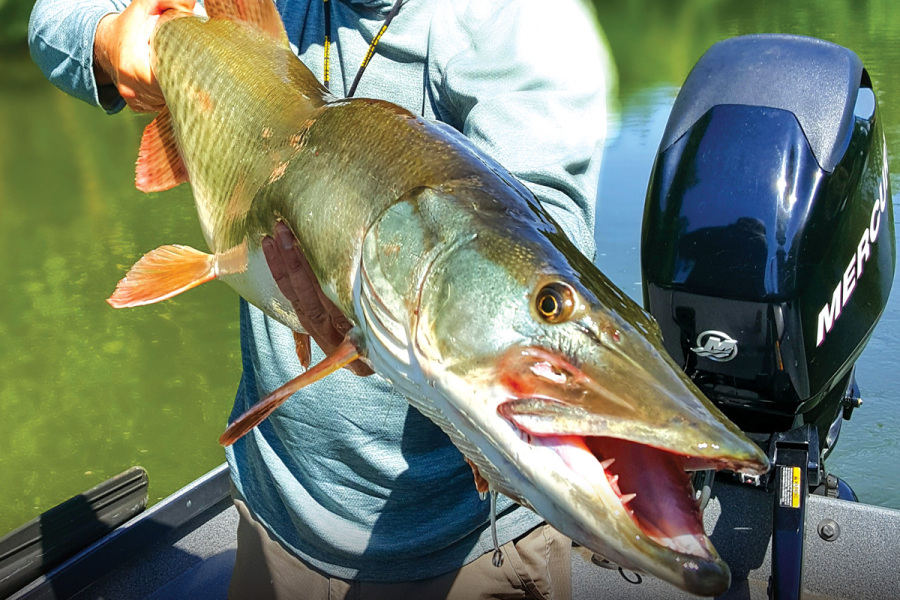
Fly Fishing Rivers for Muskie
Chasing muskie with a fly rod in moving water is one of the hardest and most rewarding pursuits in freshwater. It strips away the reach and casting weight of conventional gear and forces an angler to understand the river first and the fish second. Captain Chad Bryson, a multi-discipline fisherman who has guided across the Southeast and built a reputation as a serious fly tier, has spent years working Tennessee's Collins River on the long rod. His approach is built on reading water, putting the right fly in the right lane, and refusing to give up on productive stretches. If you are still building the fundamentals, our how to catch musky pillar covers the broader picture, and this breakdown focuses on the river and fly side of it.
Where Do Muskie Hold in a River System?
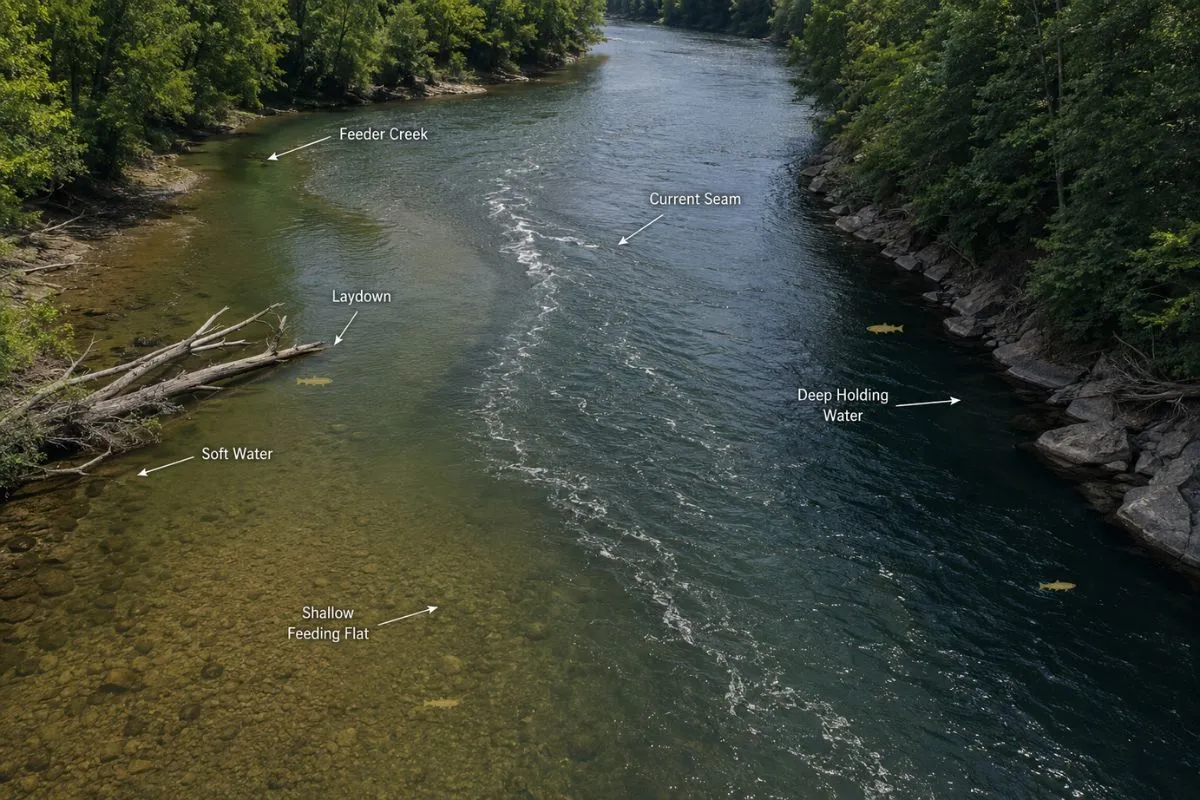
A river is not a featureless ribbon of current. The first job, according to Bryson, is learning to read its formation, because muskie relate to river structure with the precision of the ambush predators they are. They hold where the water gives them a break from the flow and a clear shot at prey moving past, and once you learn to see those places, a confusing stretch of river starts to organize itself into a handful of high-percentage targets.
The features that matter most repeat from one river to the next. Confluences, where a feeder creek or branch meets the main river, concentrate bait and oxygen and aggregate fish consistently. Current seams, the line where fast water meets slow, let a muskie sit in the soft water and slide into the seam to eat. Downed timber, laydowns, and irregular bottom structure create the cover these fish use to hide and wait. Deep holes set against shallow flats give a fish a place to rest below and a feeding shelf above. None of these are secrets, but Bryson's point is that anglers walk past them every day while hunting for a spot someone told them about.
What Fly Tackle Do You Need for River Muskie?
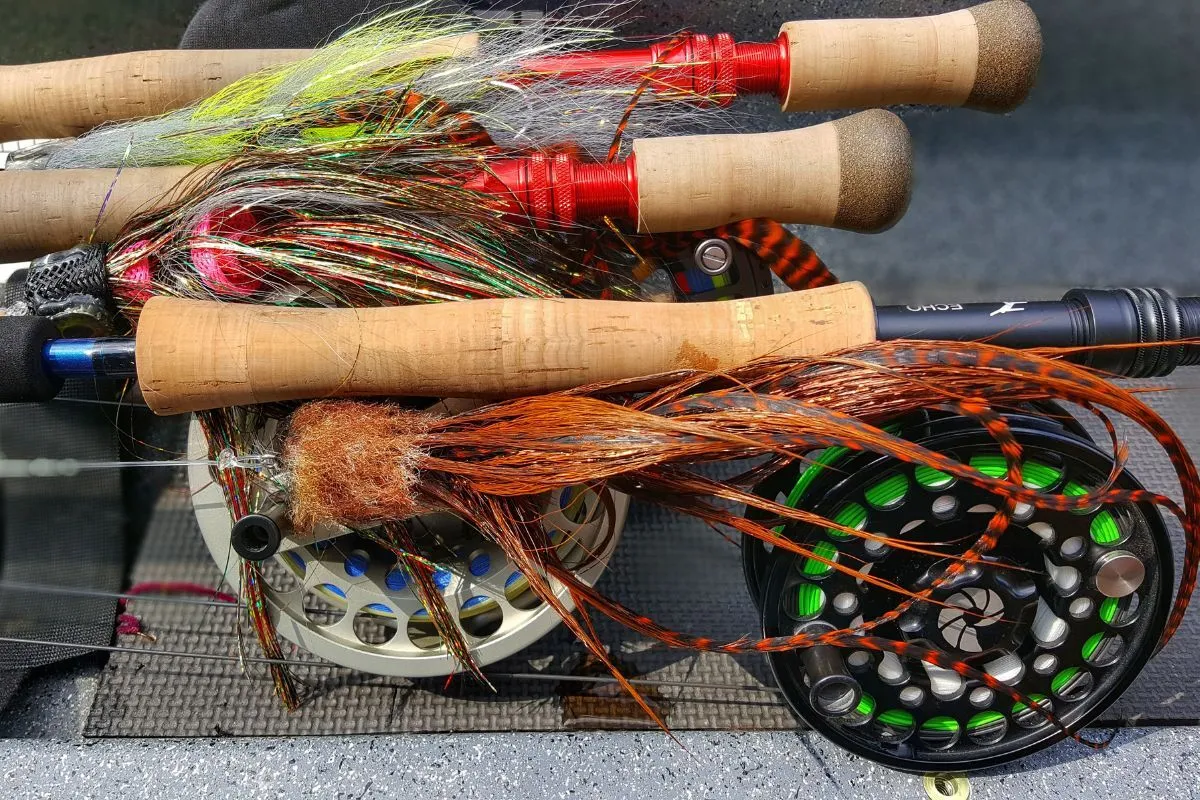
Muskie are the largest and most punishing fish most fly anglers will ever target in freshwater, and the tackle has to match. Bryson builds his muskie fly setup around gear that can throw heavy, air-resistant flies all day and turn a big fish in current.
The rod is the foundation. A heavy fly rod in the 10 to 12 weight range gives the backbone to cast large flies and to drive a hook through a bony jaw. Bryson puts a premium on rod build quality, because a poorly made blank breaks down under the repeated load of muskie casting, where you are heaving a heavy fly hundreds of times a day. The reel matters less for its drag than for line capacity and a large arbor that picks line up fast when a fish charges the boat.
- A weight-forward or dedicated musky line that loads the rod quickly and turns over a heavy, wind-resistant fly.
- A short, stout leader, since delicacy is not the point with a fish this size.
- A bite section of heavy fluorocarbon or wire, which is not optional against a mouth full of teeth.
Bryson's larger point is that every piece of the system has a job, and the weakest link, usually the leader or a rushed knot, is exactly where anglers lose the fish of the season. Building the setup with intention is part of the discipline, not a detail to sort out later.
What Flies Work Best for River Muskie?
Bryson ties his own muskie flies, and he treats that as an edge rather than a hobby. Because he builds them, he knows exactly how each one swims and which features translate into better hook-up ratios. His muskie flies are built around profile, durable construction, and an action that reads as living prey.
The patterns run large and articulated, with bucktail and schlappen combinations that breathe and pulse as they move through the water. His Sleepy Hollow pattern is a good example of the build: materials and proportions chosen so the fly swims with a soft, vulnerable action instead of a stiff and lifeless one. Construction is not an afterthought either. Bryson emphasizes the tools and the tying details that produce a fly durable enough to survive repeated strikes from a powerful fish without coming apart at the seams.
How Do You Present a Fly to River Muskie?
Location and the right fly only set the stage. Presentation is where Bryson sees most anglers succeed or fail. The signature mechanic is the strip retrieve, the steady strip, strip, strip that gives a big muskie fly its pulsing, irresistible action. Done right, that cadence makes the fly look alive and pulls strikes from fish that would ignore a dead drift. The rhythm is not random; it is matched to the fly and the current so the materials open and close like something trying to flee.
Where and how long you work an area is just as deliberate. Bryson casts tight to structure, places the fly in the feeding lane, and works a productive piece of water thoroughly rather than firing one cast and moving on. He preaches patience and thoroughness because a muskie will often study a fly through several presentations before it finally commits, and the angler who leaves after one pass never gives the fish the chance.
Bryson also varies his casting angle to cover water a single approach would miss. Working a piece of structure from upstream, across the current, and from downstream shows the fly to fish from different angles and draws eats that one direction never would. River muskie frequently sit in uniformly deep water with no obvious shallow-to-deep edge to key on, so he breaks the run into less obvious features and fishes the full water column instead of skimming the top. Reaching those fish often means letting the fly sink before the retrieve, which is where line choice, from intermediate to full sinking, earns its place.
What Mistakes Cost Anglers River Muskie?
The most common and most costly mistake, Bryson says, is overlooking productive water in favor of spots where fish have been caught or reported before. Anglers crowd the famous holes and skip the unglamorous seam, laydown, or confluence that has never been named but holds fish all the same.
Chad Bryson's Fly Fishing Courses
Winter muskies in the Southeast concentrate predictably but feed less aggressively, creating challenges for anglers applying summer tactics. Cory Allen and Chad Bryson explain how cold water affects behavior across reservoirs, deep rivers, and skinny streams, what lure and fly presentations trigger strikes from lethargic fish, and why winter produces trophy muskies at peak weight.
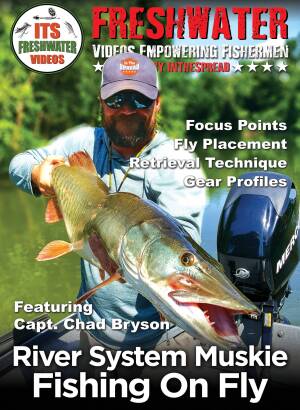
Collins River muskies position based on river formation and current dynamics that create identifiable habitat features. Chad Bryson explains reading water to locate productive zones, what river areas aggregate fish consistently, and fly fishing tackle and presentation mechanics that trigger strikes in flowing water conditions.
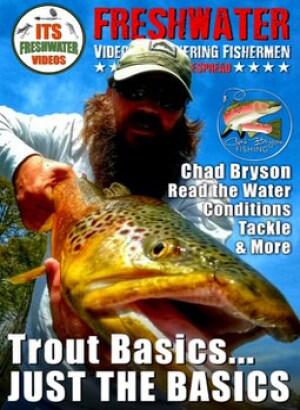
Trout positioning shifts constantly based on water temperature, clarity, season, and time of day, making adaptable skills more valuable than rigid techniques. Chad Bryson covers reading river habitat for feeding zones, understanding environmental factors affecting behavior, and presentation fundamentals applicable across diverse trout streams.
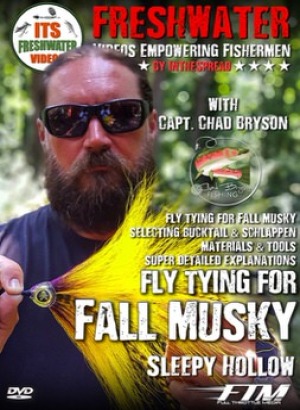
Tying muskie flies provides quality control over materials and construction that commercial patterns sacrifice. Chad Bryson demonstrates the Sleepy Hollow pattern step-by-step, explaining why bucktail and schlappen combinations create effective swimming action, what tools ensure proper construction, and how attention to tying details produces durable flies for powerful fish.
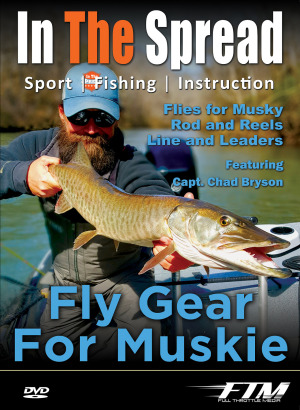
Muskie fly fishing equipment failures occur when anglers apply standard freshwater tackle to apex predators exceeding 40 inches. Chad Bryson explains why rod build quality and reel arbor size prevent tackle breakage, what fly design features trigger strikes, and when wire leaders become necessary versus fluorocarbon options balancing visibility with durability.
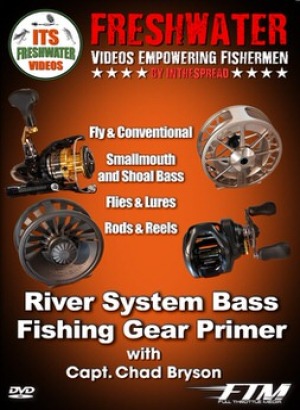
River bass fishing for shoal bass and smallmouth demands gear handling current, rocky structure, and aggressive fighting behavior absent in lake fishing. Chad Bryson covers entry-level conventional and fly fishing equipment, explaining why river-specific tackle matters, what rod and reel specifications work across applications, and when flies outperform conventional lures in southern river shoals.
River Muskie on Fly FAQ
What size fly rod do you need for muskie?
A 10 to 12 weight fly rod is the standard range. That backbone is needed to cast large, heavy flies and to control a big fish in current. Rod build quality matters, since the repeated load of muskie casting will find a weak blank in a hurry.
What flies work best for muskie?
Large articulated streamers built from materials like bucktail and schlappen, which pulse and breathe in the water, are the core muskie flies. Profile, a lively swimming action, and durable construction matter more than color.
Where do muskie hold in a river?
Muskie relate to structure and current. Look to confluences where feeder creeks enter, current seams where fast water meets slow, downed timber and laydowns, and deep holes set against shallow flats. On dam-controlled rivers, generation releases move fish through the day.
Do you need a wire leader for muskie on the fly?
Yes. A bite section of heavy fluorocarbon or wire is essential, because muskie teeth cut straight through a standard leader and you will lose fish without it.
Putting Bryson's River Fly Game Together
Fly fishing for river muskie rewards the angler who reads water before chasing reputations, carries tackle built for the job, throws flies with a proven action, and works each productive lane with patience. That is the framework Chad Bryson has refined over years on the Collins and across the Southeast, and it carries to any river that holds these fish. Learn the structure, trust the strip retrieve, and finish every cast at the boat. For the broader fundamentals behind it, return to our how to catch musky pillar, and when you are ready to fish the water Bryson knows best, start with the Collins River muskie hub.
Seth Horne Founder and CEO
Login
to leave a review.
User Reviews
There are no reviews yet.
Setting Up a Dredge Pulley for Billfish
Saltwater
12.28.2020
High Speed Wahoo Trolling Rig
Saltwater
09.08.2018
Fishing Light Tackle for Yellowfin Tuna
Saltwater
09.08.2018


0