
Cold fronts push Gulf Coast gamefish into predictable deep-water refuges where they wait out temperature drops. Understanding these thermal patterns and fishing protected coves with live shrimp during post-front warming trends turns tough winter conditions into productive fishing opportunities for redfish, seatrout, and sheepshead.
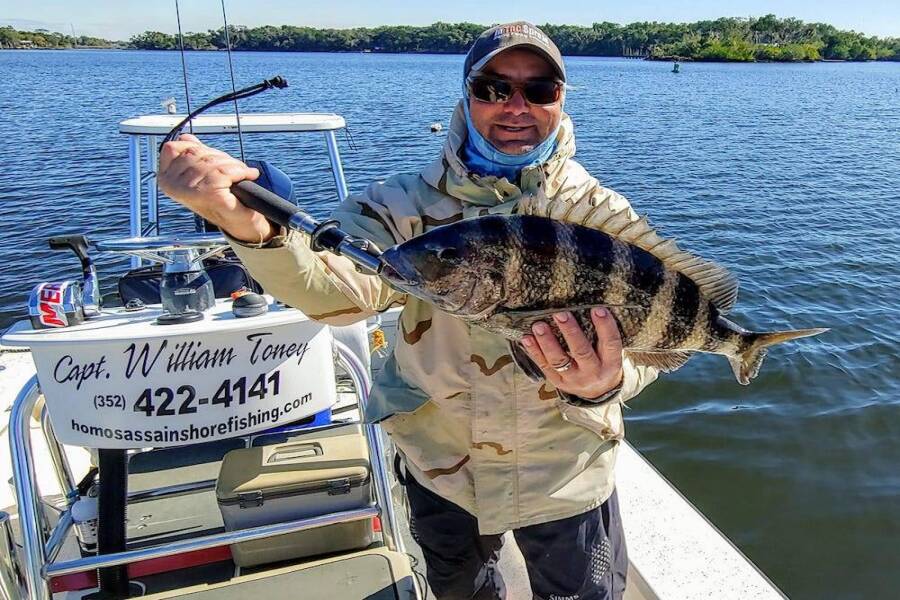
Winter Fishing Florida's Gulf Coast: Cold Front Tactics
Winter fishing Florida's Gulf Coast can feel like riding a weather roller coaster. One day you're casting in comfortable 70-degree sunshine, the next you're bundled up watching your breath fog in 40-degree air while wondering if any fish are still biting. I've spent enough cold mornings on these waters to know that understanding how fish respond to winter conditions makes the difference between coming home empty-handed and loading the cooler with quality catches.
Capt. William Toney's Fishing Courses
How Do Cold Fronts Affect Fish Behavior in Winter?
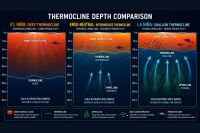
When a cold front rolls through Florida's Gulf Coast, fish don't just disappear. They relocate to specific areas where water temperatures remain more stable. Understanding this movement pattern is your key to staying on fish throughout winter.
Here's what happens during a typical cold front cycle:
- Day 1-2 (Active Front): Fish move deep and become lethargic. Feeding activity drops dramatically as north winds push cold air across the water.
- Day 3-4 (Stabilization): Weather begins settling. Winds shift more southward, and warming trends begin.
- Day 5+ (Prime Time): Fish metabolism increases. Activity levels rise substantially as stable conditions return.
Where Do Fish Go When Water Temperatures Drop?
Fish seek thermal refuge when winter cold hits the Florida Gulf Coast. They don't randomly scatter; they move to predictable locations that offer warmer water and protection from harsh conditions.
Creeks and rivers become primary winter fishing zones because they provide deep channels with more stable temperatures. Fish congregate in holes, canals, and dark water channels near the mouths of these waterways. These spots offer shelter during the coldest nights while remaining close to shallower feeding areas they'll visit when conditions improve.
If you've caught fish in specific creek or river locations during warmer months, mark those spots. Return to them during cold winter weather because fish exhibit strong site fidelity to areas with ideal depth and structure. They'll use the same refuges winter after winter.
Look for these specific features when targeting winter fish:
- Deep holes adjacent to shallow flats (6-12 feet deep in inshore areas)
- Dark bottom areas that absorb and retain solar heat better than light sand
- Protected coves on the south side of islands or keys that shield from north winds
- Creek and river junctions where deeper channels meet feeding flats
What Are the Best Winter Fishing Strategies for Gulf Coast Waters?
Success in dead of winter fishing requires adapting your approach to match how fish behave in cold water. Aggressive tactics that work in summer often fail when water temperatures drop below 60 degrees.
Revisiting Proven Deep Water Spots
Your historical catch data becomes invaluable during winter. Those spots where you consistently caught redfish, seatrout, or snook in deeper water during other seasons? They're holding winter fish right now. Return to areas with access to channels at least 6-10 feet deep that connect to nearby shallow feeding flats.
Understanding Geographic Features That Hold Fish
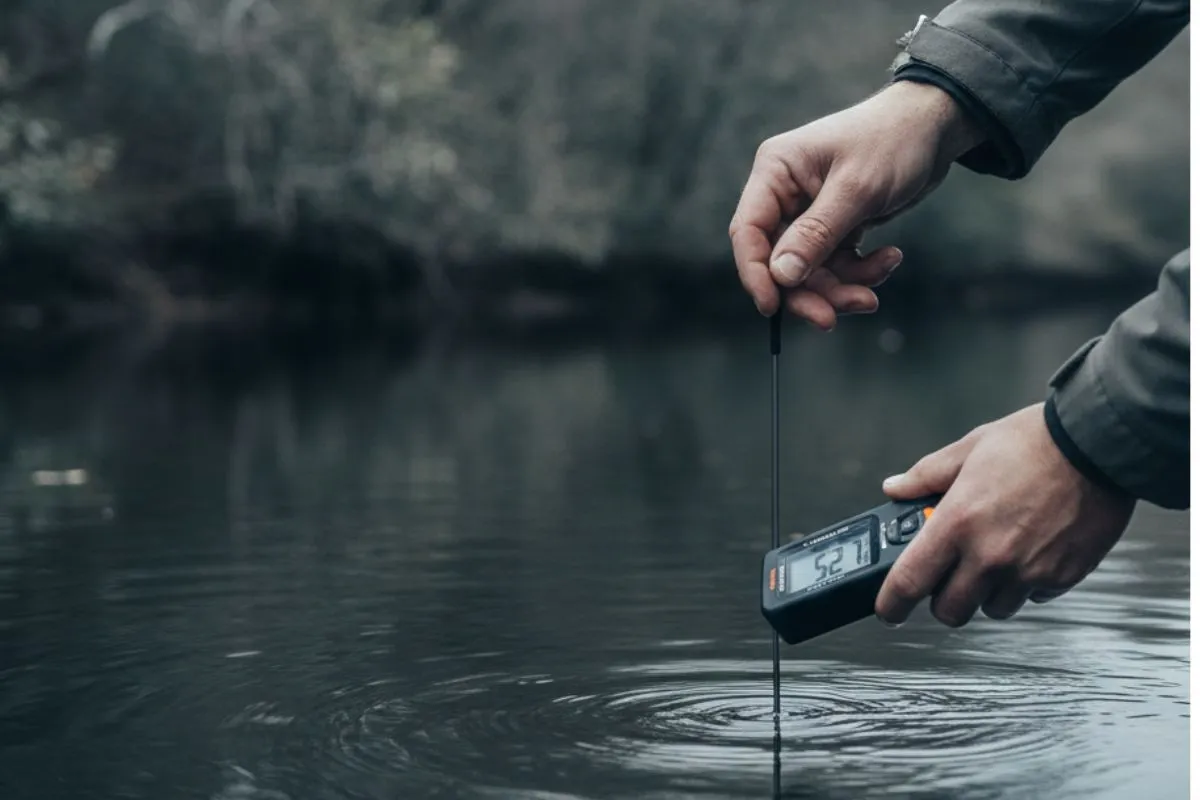
Water temperature becomes everything in winter, and certain geographic features create warmer microclimates that concentrate fish. If you study the topography around you, patterns emerge that help you find these thermal refuges.
Keys that run east to west create interesting opportunities. The south-facing sides of these islands get sheltered from cold north winds while simultaneously capturing maximum warmth from the southern sun. Protected coves on these south shores, especially those with dark bottoms, can run several degrees warmer than surrounding waters.
What Is the Best Bait for Winter Fishing in Florida?
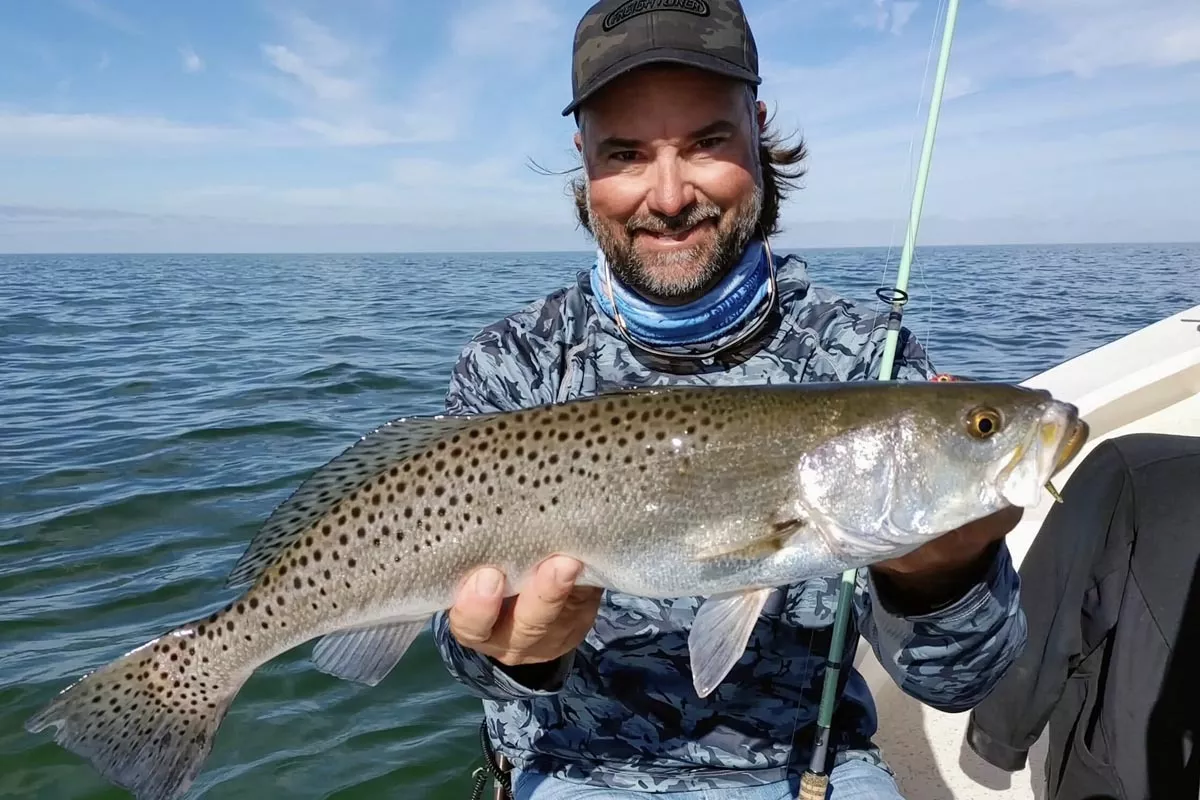
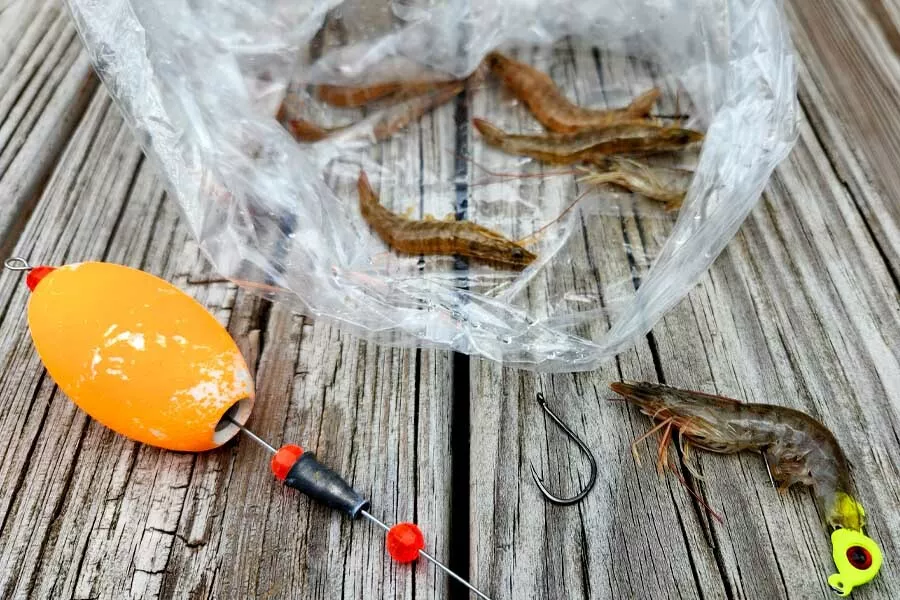
Live shrimp outperforms everything else for winter fishing Tampa Bay and surrounding Gulf Coast waters. When water temperatures drop and fish metabolism slows, scent becomes more important than flash or vibration.
The challenge with cold water is that scent disperses much more slowly than in warm water. A fish might be 10 feet from your bait but take significantly longer to locate it than it would in summer. This is where patience becomes your greatest asset.
- Scent dispersion continues even in cold water, creating a trail fish can follow
- Natural presentation triggers strikes from lethargic fish that ignore artificial lures
- Minimal movement required allows fish to conserve energy while feeding
- Universal appeal works for multiple species including redfish, seatrout, snapper, and sheepshead
How Should You Fish Protected Coves and Warm Water Areas?
When you identify a protected warm water refuge based on geography and wind patterns, your approach needs to match the conditions. Redfish particularly love these areas during winter and often remain nearly motionless, blending perfectly with dark bottoms in shallow protected water.
Staking out and waiting for fish to come to you often works better than constantly moving and searching. This contradicts summer tactics but makes perfect sense when you understand winter fish behavior. They're conserving energy, moving less, and feeding opportunistically rather than actively hunting.
Set up in a prime warm-water pocket with dark bottom and south exposure. Cast your live shrimp and let it work. It takes time for scent to disperse in cold water and even longer for fish to locate and commit to your bait. What feels like an eternity to you is normal timing in 50-degree water.

What Techniques Work Best After a Cold Front Passes?
The 24 to 48 hours after a cold front passes and winds shift southward represent prime fishing time. Water temperatures begin stabilizing, and fish that have been hunkered down for days start feeding more actively.
Target the same deep-water refuges and protected areas, but you can slightly increase your retrieve speed and experiment with artificial lures again. Fish are more responsive during this warming trend, though still not as aggressive as summer fish.
Dress in layers because conditions can change dramatically throughout the day. That frigid morning might turn into a pleasant afternoon, especially in a sun-warmed protected cove. Staying comfortable helps you maintain focus and patience, which are essential for winter success.
Why Is Patience Critical for Winter Fishing Success?
Cold water fishing fundamentally differs from warm-water fishing in pacing and expectations. Everything slows down, including your approach. The aggressive searching patterns and rapid-fire casts that work in summer will exhaust you and spook fish during winter.
Fish are operating in energy conservation mode. They're not cruising flats looking for food; they're sitting in optimal locations waiting for food to come within easy striking distance. Your job is to place your bait in these locations and give fish adequate time to find and commit to it.
Consider that in 50-degree water, a fish's sensory systems and decision-making processes operate at a fraction of summer speed. What takes 30 seconds in July might take five minutes in January. If you're not willing to let your bait sit for extended periods, you're pulling it away before fish even know it's there.
Frequently Asked Questions About Winter Fishing Florida's Gulf Coast
What is the best time of day to fish in winter on Florida's Gulf Coast?
Late morning through mid-afternoon produces the best winter fishing. Water temperatures peak during these hours as the sun warms shallow areas, triggering fish to move from deep refuges to feeding zones. The window from 10 AM to 3 PM consistently outperforms early morning and evening in cold conditions.
How long do fish stay inactive after a cold front hits?
Fish typically remain lethargic for 2-3 days during an active cold front. Activity increases substantially once winds shift southward and temperatures begin stabilizing. The best fishing usually occurs 3-5 days after the front passes when conditions have fully stabilized.
What water temperature is too cold for fishing in Florida?
Fish remain catchable even when water temperatures drop into the upper 40s, but activity decreases significantly. The 55-65 degree range represents optimal winter fishing temperatures on the Gulf Coast. Below 50 degrees, fish become extremely lethargic and feeding slows dramatically.
Should you fish deep or shallow during Florida winter fishing?
Target the transition zones between deep and shallow water. Fish hold in deeper channels (6-12 feet) overnight and during cold periods, then move to adjacent shallow areas (2-4 feet) during the warmest part of the day to feed. The edges where these depths meet produce the most consistent action.
What species bite best in winter on Florida's Gulf Coast?
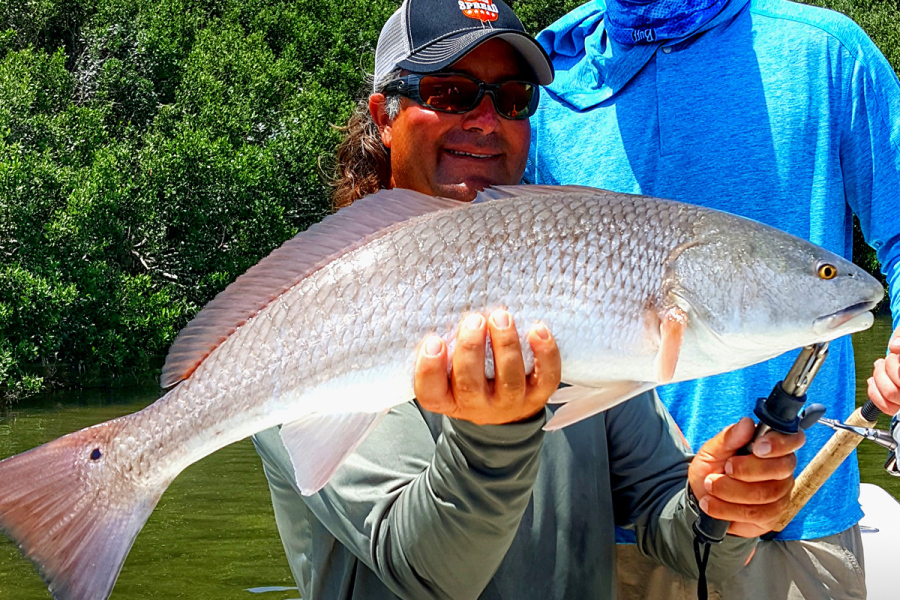
Redfish, sheepshead, black drum, and mangrove snapper feed most actively during winter months. Seatrout remain catchable but become more depth-oriented. Snook slow down significantly in water below 60 degrees but can be caught in warm-water refuges on warmer winter days.
Where do redfish go when water gets cold?
Redfish congregate in deep creek channels, river mouths, and protected coves with dark bottoms that retain heat. They particularly favor south-facing shorelines sheltered from north winds. Look for them in 6-10 feet of water near structure during cold periods, moving to adjacent shallows when the sun warms these areas.
Can you catch fish immediately after a cold front?
Fishing during an active cold front is challenging but not impossible. Focus on the deepest available water with the most stable temperatures. Use live shrimp fished very slowly and be prepared for slow action. Your best results will come 2-3 days after the front passes rather than during it.
What tackle works best for winter Gulf Coast fishing?
Medium-light spinning gear with 10-15 pound braided line and 20-25 pound fluorocarbon leader handles most winter inshore situations. Slow-sinking soft plastics in natural colors, shallow-running plugs, and live shrimp rigs account for most catches. Downsize your presentations from summer setups.
Final Thoughts on Conquering Winter Fishing Challenges
Winter fishing on Florida's Gulf Coast tests your understanding of fish behavior more than any other season. The anglers who consistently succeed aren't necessarily the ones with the best boats or fanciest tackle. They're the ones who understand how cold fronts move fish, where thermal refuges exist, and how patience overcomes the challenges of cold water.
Every winter trip offers lessons about the subtle interplay between weather, water temperature, and fish behavior. Pay attention to patterns. Note which specific locations produce during certain wind directions and temperature ranges. Record your successes and failures. This accumulated knowledge transforms frustrating winter trips into productive ones.
Login
to leave a review.
User Reviews

Benjamin
12.22.2023
1

Robert
12.22.2023
1

Setting Up a Dredge Pulley for Billfish
Saltwater
12.28.2020
High Speed Wahoo Trolling Rig
Saltwater
09.08.2018
Fishing Light Tackle for Yellowfin Tuna
Saltwater
09.08.2018
0