
Mangrove snapper rank among the Gulf Coast's most prized catches, combining challenging fights with exceptional table fare. These structure-loving fish require finesse tactics and light tackle to consistently fool. Learn the proven baits, rigging methods, and seasonal patterns that turn frustrating bait-stealers into regular catches.
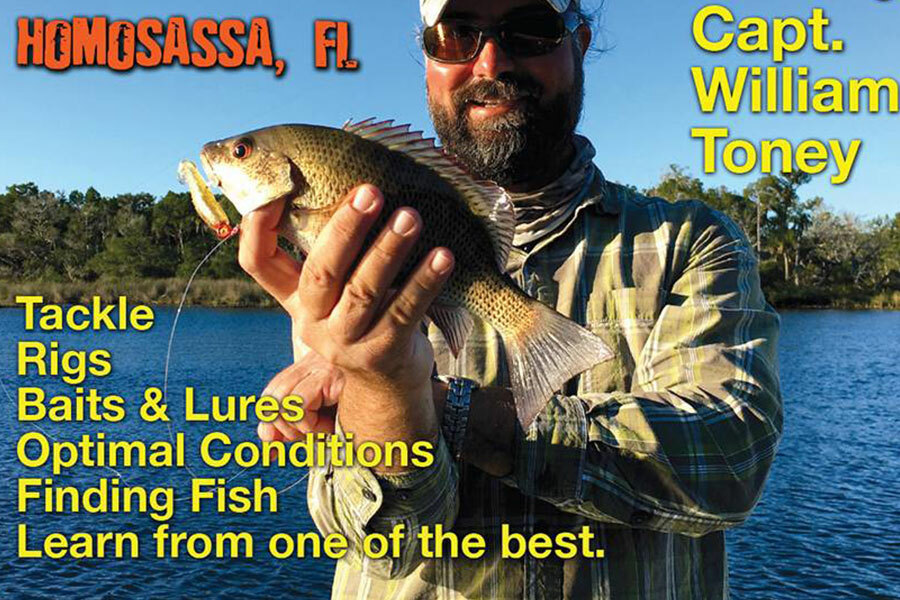
How to Catch Mangrove Snapper: Best Bait & Techniques
How to Catch Mangrove Snapper: Tactics That Actually Work
If you've spent any time fishing Florida's coastal waters or anywhere along the Gulf of Mexico, you've probably had a run-in with mangrove snapper. These cunning little predators have earned their reputation as one of the smartest fish in the shallows, and for good reason. They'll steal your bait, test your patience, and make you question your fishing skills, all before you even realize what's happening.

Quick Reference Guide: Mangrove Snapper Essentials
Best Season: July through September (peak spawning activity)
Prime Locations: Mangrove shorelines, dock pilings, bridge structures, nearshore reefs, hard bottom areas
Top Baits: Live shrimp, pilchards, pinfish, cut bait
- Hook: 1/0 - 3/0 circle hook or 1/8 oz. jighead
- Leader: 15-20 lb fluorocarbon (light and invisible)
- Line: 10-15 lb test
Target Depth: Surface to 40 feet inshore; 60-100 feet offshore
Average Size: 10-14 inches (keeper); trophy fish 16+ inches
What Are Mangrove Snapper and Why Do Anglers Love Them?
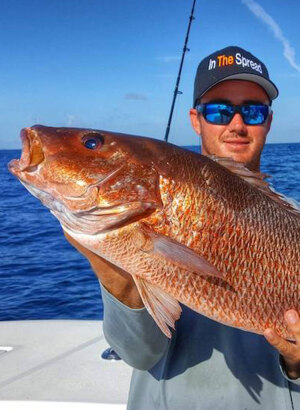
Mangrove snapper, also called gray snapper, represent one of the most sought-after species throughout the Atlantic Coast and Gulf of Mexico. The scientific name is Lutjanus griseus, but most anglers just call them "grovers" or "mango snapper." These fish pack serious personality into a relatively compact body, typically ranging from 10 to 16 inches for keeper-sized fish, though specimens over 20 inches do get caught in deeper offshore waters.

What makes mangrove snapper so popular with anglers comes down to three factors: they're incredibly fun to catch (testing your skills with their cautious feeding behavior), they're abundant in accessible coastal waters, and they're absolutely delicious on the table. The firm, white, mild-flavored meat rivals any fish you'll find, making them a favorite for fish dinners and fish tacos alike.
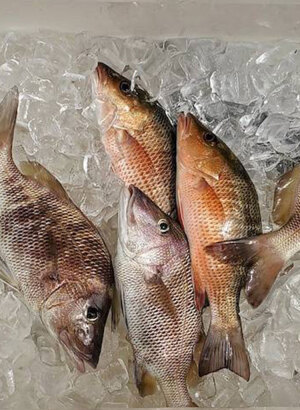
You can identify mangrove snapper by their olive to gray-brown coloration with a subtle reddish tinge. They have a distinctive dark stripe running from their snout through the eye, though this marking becomes less visible on larger fish. Their body is laterally compressed with a pointed snout, and their canine teeth are sharp enough to grab and hold slippery prey.
Understanding How Mangrove Snapper Hunt and Feed
If you want to catch mangrove snapper consistently, you need to think like one. These fish are opportunistic predators that have perfected the art of ambush hunting. In their natural environment, they use the complex root systems of mangrove trees, dock pilings, and reef structure as hunting blinds.
Here's how it works: a mangrove snapper will tuck itself into the shadows near structure, its gray-brown coloration blending perfectly with the background. Their excellent eyesight allows them to spot potential prey from a distance, whether it's a shrimp scuttling along the bottom or a small baitfish swimming past. When prey comes within striking distance, the snapper explodes from cover with remarkable speed, grabbing its target with sharp teeth before retreating back to safety.
Their natural diet consists primarily of:
- Shrimp and other crustaceans (their favorite meal)
- Small fish like pilchards, pinfish, and silversides
- Crabs of various species
- Occasionally mollusks and other invertebrates
Mangrove Snapper Fishing Courses
Where to Find Mangrove Snapper: Prime Locations and Habitat
The name gives you the first clue about where to find these fish, but mangrove snapper locations extend well beyond just mangrove shorelines. Understanding the different habitat types they prefer throughout the seasons will dramatically increase your catch rates.
Inshore Mangrove Snapper Habitat
When you're targeting mangrove snapper inshore, focus your efforts on areas with vertical structure and shade. The fish use these areas both for hunting and protection from larger predators.
Mangrove Shorelines: The obvious starting point, mangrove roots create the perfect ambush environment. Look for areas where the roots extend deep into the water, especially where tidal current flows create natural feeding zones. The best mangrove shorelines have a mixture of shallow and deeper pockets, allowing snapper of various sizes to find comfortable holding spots.
Dock and Bridge Pilings: These structures attract baitfish and provide shade, making them mangrove snapper magnets. The key is fishing the pilings with current flow, as snapper will position themselves to intercept food being swept past. Dawn and dusk fishing around lighted docks can be particularly productive, as the lights attract baitfish which in turn attract feeding snapper.
Nearshore and Offshore Structure
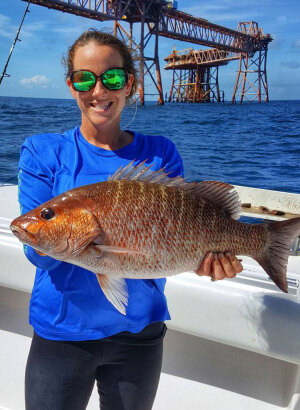
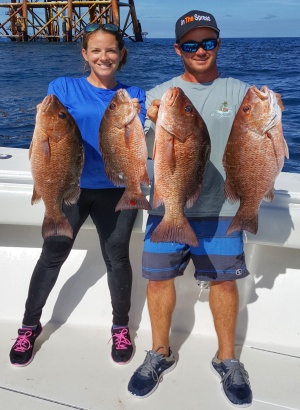
As water temperatures warm through summer, many mangrove snapper move to nearshore reefs, wrecks, and offshore structure. These fish tend to be larger than their inshore cousins, with specimens in the 2-4 pound range common on productive offshore spots.
Natural Reefs: Limestone ledges, rocky outcrops, and coral formations in 40-100 feet of water hold excellent populations of mangrove snapper. The fish suspend in the water column or hover just off the bottom, picking off passing baitfish and shrimp.
Artificial Reefs, Wrecks and Oil Platforms: Sunken ships, concrete structures, oil rigs and deliberately placed artificial reef materials provide outstanding mangrove snapper habitat. The vertical relief and multiple hiding spots allow numerous fish to coexist in relatively small areas.
Regional Hotspots for Mangrove Snapper Fishing
Florida Gulf Coast: The entire Gulf Coast of Florida offers phenomenal mangrove snapper fishing, but certain areas stand out. The Ten Thousand Islands, Tampa Bay, Charlotte Harbor, and the Keys all host massive populations. The Homosassa area on Florida's Nature Coast deserves special mention for producing trophy-sized fish in relatively shallow water.
Florida Atlantic Coast: From Jacksonville south through the Keys, the Atlantic side provides excellent opportunities, particularly around inlet structures, bridges, and nearshore reefs.
One critical thing to remember: smaller juvenile mangrove snapper dominate truly shallow inshore areas. If you want to consistently catch keeper-sized fish (typically 10 inches minimum, though regulations vary by location), you need to target deeper structure or move offshore to nearshore reefs.
When Is the Best Time to Catch Mangrove Snapper?
Timing can make or break your mangrove snapper fishing success. While you can catch these fish year-round in most of their range, certain seasons and conditions dramatically improve your odds.
Prime Season: Summer Months
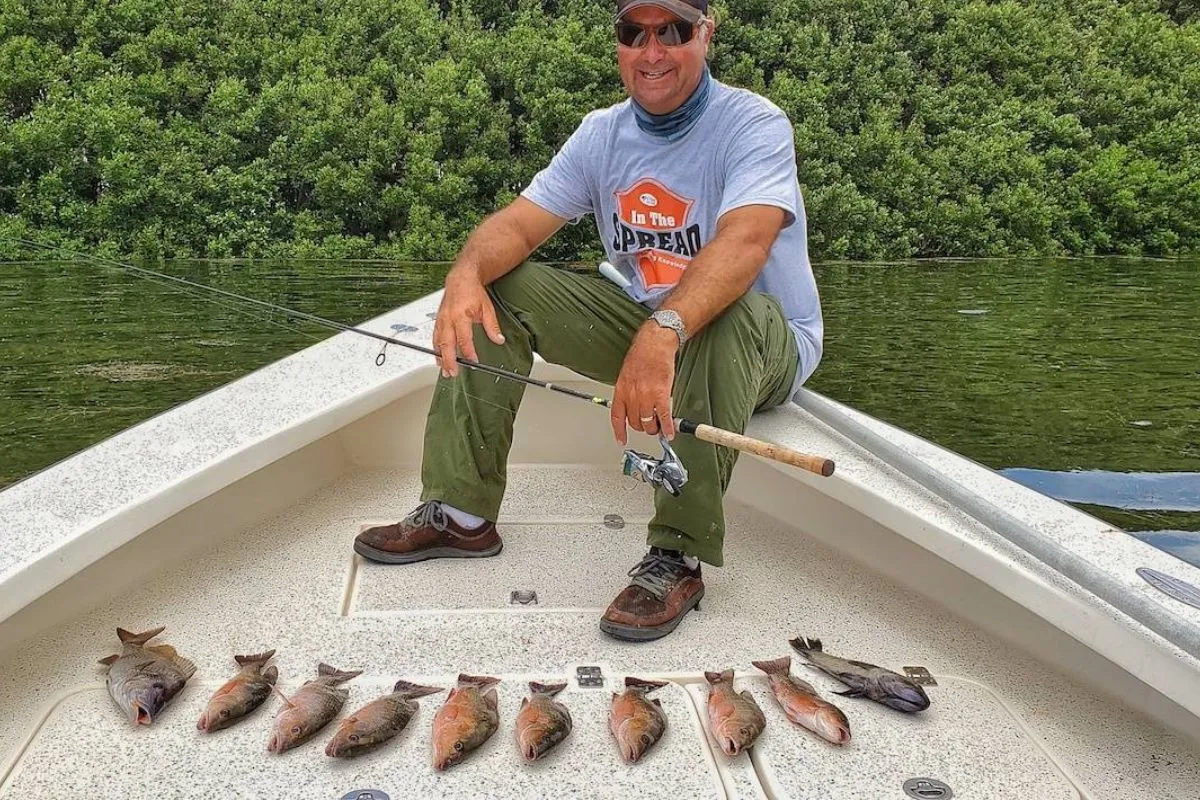
July through September represents peak mangrove snapper season for most anglers. During these high summer months, water temperatures climb into the upper 70s and low 80s, triggering increased feeding activity and spawning behavior. The warmer water temperatures bring snapper closer to shore and higher in the water column, making them easier to locate and target.
Spring and Fall Fishing
Spring (April through June) and fall (October through November) both offer excellent fishing, though you may need to adjust your approach slightly. During these transition seasons, mangrove snapper feeding patterns become more influenced by daily weather conditions and water temperature fluctuations.
In spring, look for the warmest water available. Sunny afternoons following several days of stable weather often produce the best bite. As water temperatures rise into the low-to-mid 70s, feeding activity increases dramatically.
Winter Mangrove Snapper Fishing
Winter doesn't mean the fishing shuts down, but you'll definitely need to adjust your strategy. In southern Florida and the Keys, winter fishing can remain quite good since water temperatures rarely drop below the mid-60s. Further north along the Gulf Coast, winter fishing becomes more challenging as snapper move to deeper water and feed less actively during cold fronts.
Best Time of Day for Mangrove Snapper
While mangrove snapper feed throughout the day, early morning, late evening, and nighttime typically produce the most aggressive bites. During these low-light periods, snapper venture away from structure more readily and feed with less caution.
Tidal Influence on Mangrove Snapper Behavior
Tides play a huge role in mangrove snapper feeding patterns, though the best tide phase varies by location. In general, moving water produces better fishing than slack tide periods. The current pushes baitfish and shrimp past structure where waiting snapper can ambush them.
What Is the Best Bait for Mangrove Snapper?
Ask ten mangrove snapper anglers about the best bait for mangrove snapper, and you'll probably get ten different answers. The truth is, these fish will eat a variety of offerings, but certain baits consistently outperform others.
Live Bait: The Top Choice for Mangrove Snapper
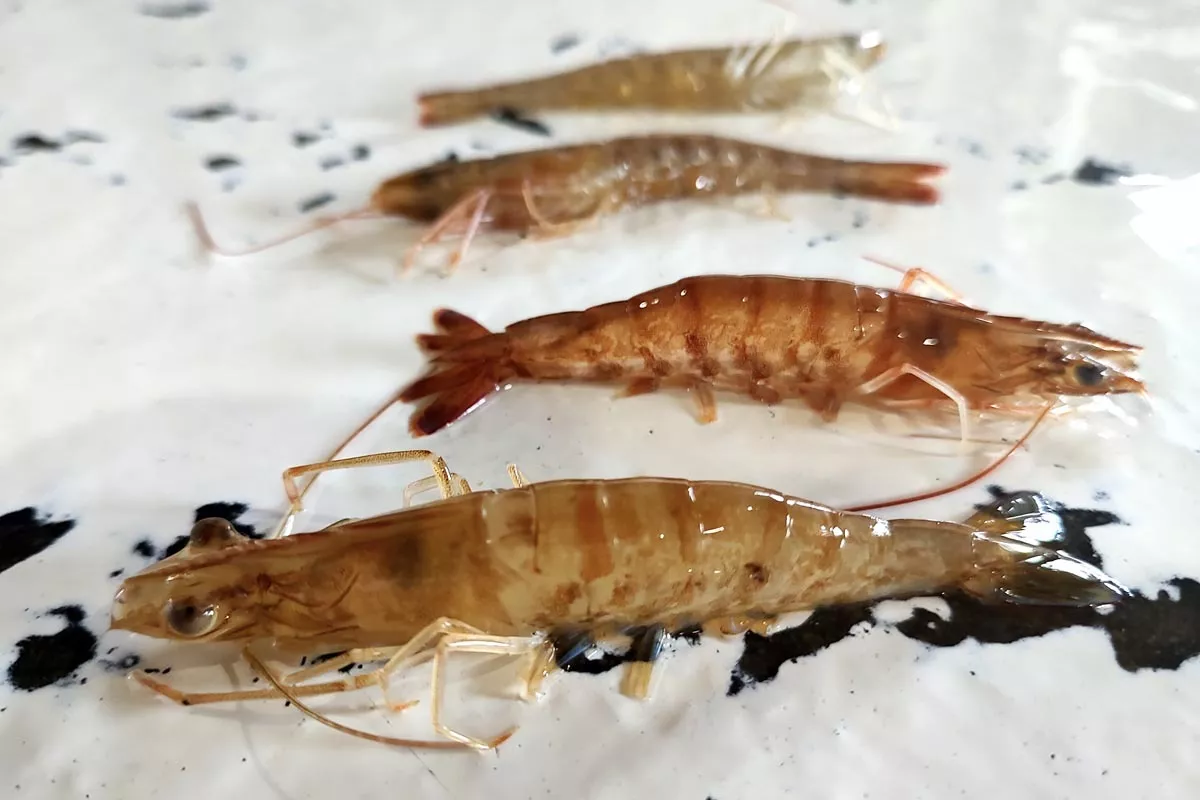
Live shrimp stands as the undisputed champion for mangrove snapper fishing, especially inshore. These fish absolutely love shrimp, which makes sense considering shrimp make up a huge portion of their natural diet. The best approach is hooking a live shrimp through the horn (the sharp protrusion on the head) or through the tail, keeping the bait as lively as possible.
When selecting shrimp at the bait shop, choose medium-sized specimens. Shrimp that are too large may get nibbled without hooking the fish, while tiny shrimp disappear too quickly. The 3-4 inch range works perfectly for keeper-sized mangrove snapper.
Live pilchards (scaled sardines) represent another outstanding choice, particularly when targeting larger snapper around offshore structure or deeper inshore spots. Pilchards have a natural flash and movement that triggers aggressive strikes. Hook them through the nose or just behind the dorsal fin to maintain natural swimming action.
Live pinfish excel when you're specifically targeting trophy-sized mangrove snapper or when you want to avoid smaller fish. The larger profile deters bait-stealing juveniles while appealing to big, hungry snappers. Pin the pinfish through the back, just behind the dorsal fin, avoiding the spine.
- Small mullet or finger mullet
- Mojarra (often called shad)
- Small grunts
Cut Bait Options
When live bait isn't available or practical, cut bait for mangrove snapper can be very effective. Fresh cut bait releases scent into the water column, attracting fish from a distance.
Cut squid produces consistent results, especially for deeper-water fishing. The tough texture stays on the hook well, and the scent dispersal is excellent. Cut the squid into strips about 2-3 inches long and 1/2 inch wide.
Artificial Lures and Soft Plastics
While live bait outfishes artificials in most situations, artificial baits for mangrove snapper definitely have their place, especially when you want to cover water quickly or when targeting more aggressive fish.
Small jigs in the 1/8 to 1/4 ounce range, tipped with shrimp or cut bait, work well for working structure methodically. White, pink, chartreuse, and natural color patterns all produce.
Pro Tips for Bait Selection
The single most important factor with bait is freshness. Mangrove snapper can be finicky, and they'll often ignore bait that's been dead too long or has been sitting in the bait well getting lethargic. Keep your bait lively, change it frequently, and you'll catch more fish.
Match your bait to the conditions and structure you're fishing. In shallow mangroves with small fish, go with smaller shrimp. Targeting big snapper on offshore reefs? Step up to larger pilchards or pinfish.
Best Tackle and Rigging for Mangrove Snapper
Having the right mangrove snapper tackle separates consistent catches from frustrating near-misses. These fish have excellent eyesight and can be incredibly line-shy, so your terminal tackle choices matter more than you might think.
Hook Selection: Size and Style Matter
The question "what size hook for mangrove snapper" comes up constantly, and with good reason. Your hook choice dramatically affects your hookup ratio.
For inshore fishing with shrimp or small baitfish, a 1/8 - 1/4 oz. jighead provides an excellent balance of hooking ability and appropriate size. These jighead hooks are small enough not to spook cautious fish but large enough to stick and hold even when mangrove snapper make their typically powerful runs toward structure.
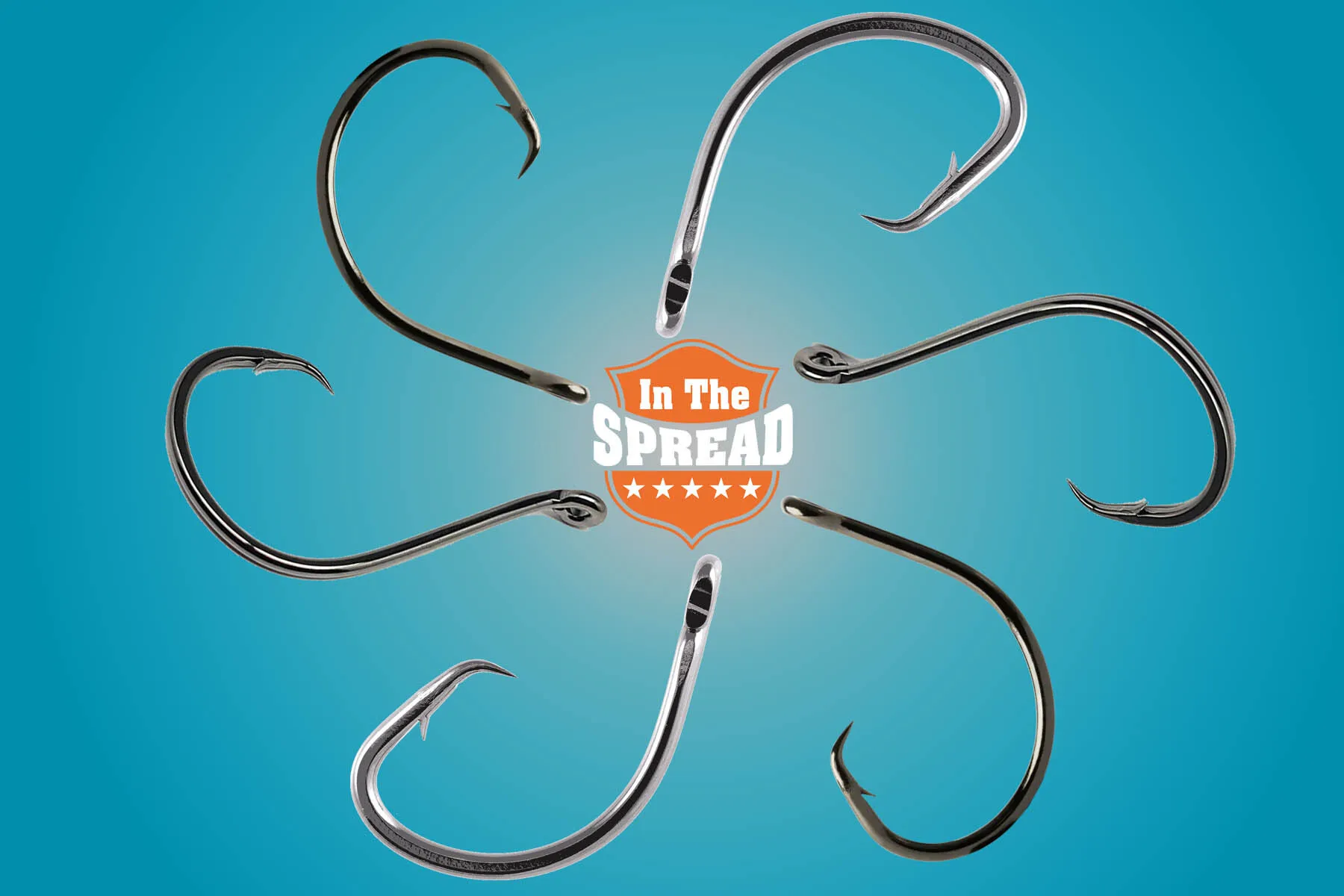
Circle hooks in 1/0 - 3/0 sizes represent the other excellent option, especially if you're fishing in areas with size or species restrictions. Circle hooks dramatically increase survival rates for released fish since they almost always hook in the corner of the mouth rather than being swallowed. The trade-off is you need to resist the urge to set the hook, instead simply tightening down and letting the circle hook do its job as the fish swims away.
Leader Material: Light and Invisible
This might be the single most critical element of your mangrove snapper rig. These fish have exceptional vision, and heavy, visible leader material will cause them to refuse your bait no matter how perfect your presentation.
15-20 pound fluorocarbon leader represents the sweet spot for most situations. Fluorocarbon has a refractive index similar to water, making it nearly invisible underwater. This invisibility factor dramatically increases your bite rate when dealing with pressured or cautious fish.
Keep your leader length appropriate for the depth and current you're fishing. In shallow, clear water around docks or mangroves, a 3-4 foot leader works well. Fishing deeper structure in current? You might extend that to 5-6 feet.
Line and Rod Selection
Your main line can be either monofilament or braid, with each having advantages. 20-30 pound braid offers superior strength-to-diameter ratio and excellent sensitivity, allowing you to feel even subtle bites. The thin diameter cuts through current better and provides more direct hooksets.
If you prefer monofilament, stick with 10-15 pound test as your main line. The stretch in mono can actually be beneficial, acting as a shock absorber during powerful runs and reducing pulled hooks.
Basic Mangrove Snapper Rig Setup
The most effective rig for mangrove snapper couldn't be simpler:
- Tie your fluorocarbon leader to your main line using a double uni knot or Albright knot
- Attach your hook to the leader using an improved clinch knot or loop knot
- Add a small split shot or egg sinker 12-18 inches above the hook if fishing current or depth requires weight
- Hook your live bait and fish!
This basic rig works in about 90% of mangrove snapper fishing situations. The simplicity keeps everything as natural as possible while maintaining the strength to land fish around structure.
Proven Techniques for Catching Mangrove Snapper
Understanding the mangrove snapper fishing techniques that consistently produce results separates the anglers who catch fish from those who just feed them. Here are the methods that work.
Free-Lining Live Bait
When conditions allow, free-lining a live bait without any weight produces the most natural presentation possible. This technique works best in relatively shallow water (under 15 feet) without strong current.
Cast your baited hook near structure, allowing the bait to swim naturally. The key is maintaining just enough tension to feel bites while letting the bait move freely. Mangrove snapper often pick up the bait, swim a short distance, then stop to eat it. You'll feel the initial tap-tap-tap as they grab it, then a pause, then the solid pull as they swim away. Set the hook on that solid pull.
Fishing with Weight and Current
When fishing deeper water or dealing with current, you'll need to add weight to get your bait down to the fish zone. The trick is using just enough weight to reach bottom while maintaining the most natural presentation possible.
For moderate current, a single split shot 12-18 inches above your hook often suffices. In heavier current or deeper water, switch to an egg sinker in a fish-finder rig configuration. This allows the snapper to take the bait and run without feeling resistance from the sinker.
Sight Fishing Techniques
In clear, shallow water around docks, mangroves, or flats, sight fishing for mangrove snapper becomes possible and incredibly exciting. You can actually watch the fish approach, inspect, and (hopefully) eat your bait.

Chumming for Mangrove Snapper
Chumming represents one of the most effective techniques for attracting and holding mangrove snapper, especially around offshore structure or when fishing deeper channels and holes.
The basic approach involves establishing a chum slick of cut bait, fish scraps, or commercial chum blocks or macaroni mix that drifts downcurrent from your position. This scent trail attracts fish from a wide area and puts them in an aggressive feeding mood.
For mangrove snapper, finely cut pieces of sardines, mullet, or threadfins work beautifully. Toss out a handful every few minutes to maintain the chum line. Then fish your hook bait (either matching your chum or using live shrimp) in the same zone where you're seeing fish activity.
Night Fishing Strategies
Night fishing for mangrove snapper around lighted docks, bridges, and piers can be absolutely phenomenal. The lights attract baitfish, which in turn attract feeding snapper. The fish also tend to feed more aggressively and with less caution after dark.
Fighting and Landing Mangrove Snapper
Once you hook a mangrove snapper, the fight is on, and these fish are surprisingly strong for their size. The instant they feel the hook, they'll make a powerful run straight back toward structure. Your first job is stopping or turning that initial run before they reach cover.
Keep steady pressure on the fish, using your rod angle to steer them away from pilings, rocks, or mangrove roots. The fluorocarbon leader helps, but if they reach structure and wrap you around it, you're probably done.
Mid-sized mangrove snapper (12-16 inches) will make multiple strong runs, each trying to reach the safety of cover. Maintain consistent pressure, keep your rod tip up, and be patient. They'll eventually tire and come to the surface where you can net or lip them.
Additional Resources for Catching Mangrove Snapper
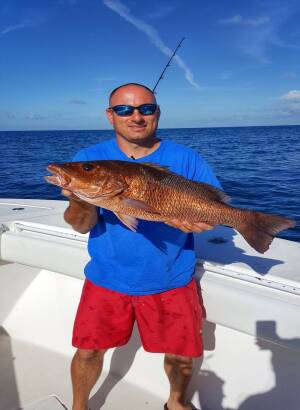
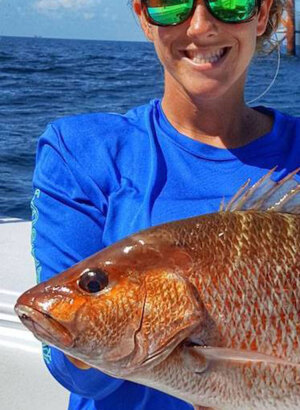
Frequently Asked Questions About Mangrove Snapper Fishing
What is the best bait for mangrove snapper?
Live shrimp is the single best bait for mangrove snapper, followed closely by live pilchards and pinfish. Fresh cut squid and cut fish also work well. These baits are effective because they closely match the natural diet of mangrove snapper, which feed primarily on crustaceans and small baitfish.
When is the best time to fish for mangrove snapper?
The best time to catch mangrove snapper is during July through September when water temperatures peak and spawning activity increases feeding behavior. Time of day matters too. Early morning, late evening, and nighttime typically produce the most aggressive bites, though mangrove snapper will feed throughout the day around shaded structure.
What size hook should I use for mangrove snapper?
Use circle hooks for most inshore mangrove snapper fishing with shrimp or small baitfish. Circle hooks in 1/0 to 2/0 sizes work excellently if you want better catch-and-release survival rates. Larger hooks in the 1/0 to 3/0 range are appropriate when targeting trophy-sized fish with bigger live baits.
Where can I find mangrove snapper?
Mangrove snapper are found around mangrove shorelines, dock pilings, bridge structures, oyster bars, and nearshore reefs throughout the Gulf of Mexico and Atlantic Coast. Inshore areas hold smaller fish, while offshore reefs and wrecks in 40-100 feet of water produce larger specimens. Look for any structure that provides shade and ambush opportunities.
Are mangrove snapper good to eat?
Yes, mangrove snapper are excellent table fare. The firm, white, mild-flavored meat is considered some of the best-eating fish available. They work perfectly for grilling, frying, fish tacos, or ceviche. The meat has a clean taste without any strong fishy flavor, making them popular with even picky eaters.
How big do mangrove snapper get?
Most mangrove snapper caught by anglers range from 10 to 16 inches and weigh 1 to 2 pounds. However, they can grow much larger. Trophy specimens can reach 20+ inches and weigh 5-7 pounds, though fish of this size are relatively uncommon. The current IGFA all-tackle world record stands at 17 pounds.
What is the difference between mangrove snapper and lane snapper?
Mangrove snapper are larger, heavier-bodied fish that prefer structure and can be found from very shallow water to offshore depths. Lane snapper are smaller, more slender, and typically found in deeper water. Mangrove snapper have a more olive-gray coloration, while lane snapper display more pink and yellow tones with distinctive horizontal yellow stripes.
Why do mangrove snapper keep stealing my bait?
Mangrove snapper are notorious bait stealers because of their sharp teeth, fast strikes, and feeding behavior. They often grab bait quickly then retreat to cover before anglers can react. To combat this, use smaller hooks, lighter leader (making it harder for them to feel resistance), and wait for a solid run before setting the hook rather than reacting to the initial tap.
Can you catch mangrove snapper from shore?
Yes, you can catch mangrove snapper from shore around docks, piers, bridges, jetties, and mangrove-lined shorelines. Shore fishing often produces smaller fish compared to boat fishing, but keeper-sized snapper are definitely catchable. Focus on areas with structure, use light tackle, and fish during tidal movement for best results.
What is the minimum size limit for mangrove snapper?
Minimum size limits vary by location and can change, so always check current regulations for your specific fishing area. In Florida waters, the current minimum size is 10 inches total length. Many other states and federal waters have similar or slightly different regulations. Always verify current rules before fishing.
Do mangrove snapper migrate?
Mangrove snapper don't undertake long-distance migrations like some pelagic species, but they do move seasonally based on water temperature and spawning cycles. During summer months, they move inshore and higher in the water column. As water cools in late fall and winter, particularly in northern parts of their range, they move to deeper water and offshore structure.
What other fish are caught when fishing for mangrove snapper?
When targeting mangrove snapper, you'll commonly catch lane snapper, grunts, porgies, sheepshead, small grouper, triggerfish, and various reef fish depending on location and depth. Many of these species occupy similar habitat and feed on similar baits. Sheepshead in particular often indicate good mangrove snapper areas since the species frequently coexist around structure.
Making Your Next Mangrove Snapper Trip a Success
The difference between struggling to catch a few mangrove snapper and consistently landing quality fish comes down to understanding their behavior, using appropriate tackle, and presenting your bait naturally. These fish aren't incredibly difficult once you learn their patterns, but they definitely require more finesse than many other species.
Remember the key principles: keep your leader light and invisible, match your bait to what they're eating naturally, fish around structure with current flow, and maintain patience when dealing with their sometimes finicky behavior. Whether you're fishing from a boat in the backcountry mangroves, casting from a dock, or working offshore structure, these fundamentals remain constant.
Login
to leave a review.
User Reviews
There are no reviews yet.
Complete Dredge Pulley Setup Guide
Saltwater
12.28.2020
High Speed Wahoo Trolling Rig
Saltwater
09.08.2018
Fishing Light Tackle for Yellowfin Tuna
Saltwater
09.08.2018

Fishing Gulf of Mexico Inshore Waters
Saltwater
11.28.2023
0