
Two methods put swordfish in the boat: dropping baits into their daytime holding zone at 1,200 to 1,800 feet, and drifting for them after dark when they rise. This covers where they hold, what tackle reaches them, how the leader system is built, and where each method breaks down.
How to Catch Swordfish: Techniques, Tackle, and Tactics
Swordfish do not cooperate. They live in the dark, they fight like nothing else in the ocean, and they find every weak link in your tackle and your technique. The anglers who catch them consistently are not lucky. They understand the fish, they read the conditions, and they make a series of small correct decisions at every stage of the day.
This is the overview of the whole program. Two methods produce the overwhelming majority of recreational swordfish: dropping baits into their daytime holding zone, and drifting for them after dark when they come up. Everything below covers where they are, when to go, what to fish with, how each method works, and just as importantly, when each method fails and what you do about it. Where a subject deserves more depth than an overview can give it, I point you at the article or the swordfish video library that goes further.
What Makes Swordfish So Hard to Catch
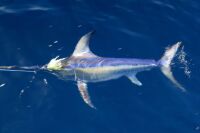
Swordfish, Xiphias gladius, spend their days in a part of the ocean most anglers never think about. Tagging and telemetry work consistently puts them in a daytime band running roughly 400 to 700 meters, call it 1,300 to 2,300 feet. In practice, recreational crews fish them between 1,200 and 1,800 feet, because that is the part of the column you can actually reach with a clean, controllable drop. Down there the water is in the low forties and there is essentially no light.
At night they come up. They follow the deep scattering layer toward the surface and feed on the squid and baitfish that rise with it.
That vertical migration is the single most important thing to understand about this fish. It dictates when you go, where you put a bait, and what tackle you carry. A swordfish at 1,500 feet at noon is not behaving like the same fish at 200 feet on a dark night. Your method has to change with it, and if it does not, you are fishing hard for nothing.
Where Swordfish Live and Feed
Swordfish are found in tropical, subtropical, and temperate water worldwide. But "found in" and "catchable at" are two very different statements, and confusing them is how people burn a thousand dollars in fuel.
Productive swordfishing comes down to finding where structure, temperature, and current converge to concentrate prey. In the Western Atlantic the most consistent recreational fisheries are the Gulf Stream corridor off South Florida, particularly Miami through Fort Lauderdale, the canyon systems off the Northeast, and Georges Bank. The Gulf of Mexico holds fish. So do the Grand Banks, the waters off Brazil, and the Mediterranean, though several of those are more commercial than recreational.
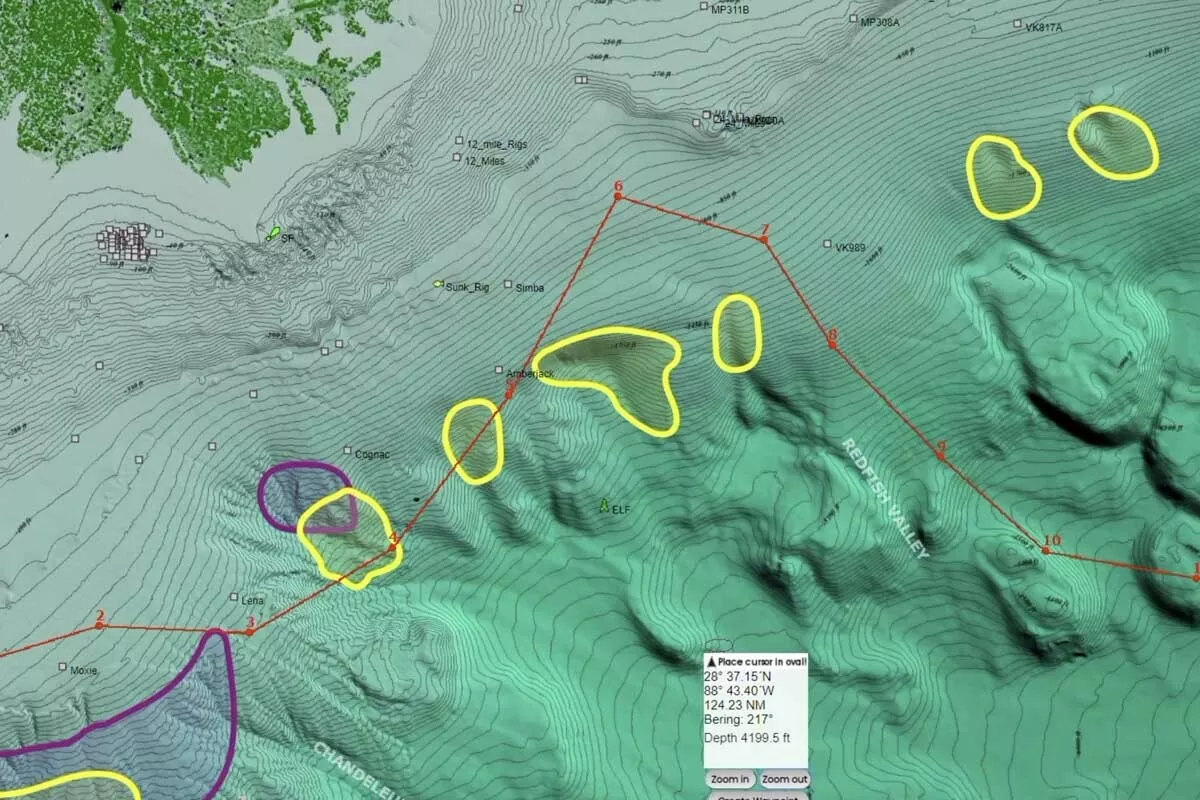
What you are actually looking for are temperature breaks along current edges where warm and cold water masses collide. Those boundaries stack baitfish and squid, and swordfish patrol them. On the surface you can read them as rip lines, weed lines, and color changes. Below, you want vertical relief: canyons, seamounts, ridges, and steep drop-offs that give the fish something to hunt against.
When to Fish for Swordfish
Season, time of day, and conditions all move the needle.
In South Florida, many captains see the most consistent action from November through April, when fish concentrate along the Gulf Stream edge, although good fishing happens outside that window in plenty of years. Northeast anglers see their peak from June through September when the fish are in range of the canyons. The Gulf of Mexico can produce year-round with peaks tied to current and water temperature.
On a daily scale, swordfish feed hardest during low-light transitions and through the night. That is a behavioral fact, not a preference, and it is why the night drift has been productive for as long as people have targeted them. Daytime deep dropping does not fight that behavior, it just goes and finds the fish where they are holding while everyone else is trolling the surface for something else.
Tackle for Swordfish: Rods and Reels
Swordfish tackle has to handle extreme depth, extreme power, and hours of sustained load. There is no component you get to compromise on.
Rods run 5.5 to 7 feet, standup or short butt, rated for 80 to 130 pound class. You want a blank with lifting power, a tip sensitive enough to show you a bite that is barely a bite, and enough flex to absorb head shakes without pulling the hook. Roller guides cut friction on a long retrieve. For daytime dropping, shorter is better. A 5.5 to 6 foot rod gives you real leverage when you are lifting a fish from 1,500 feet.
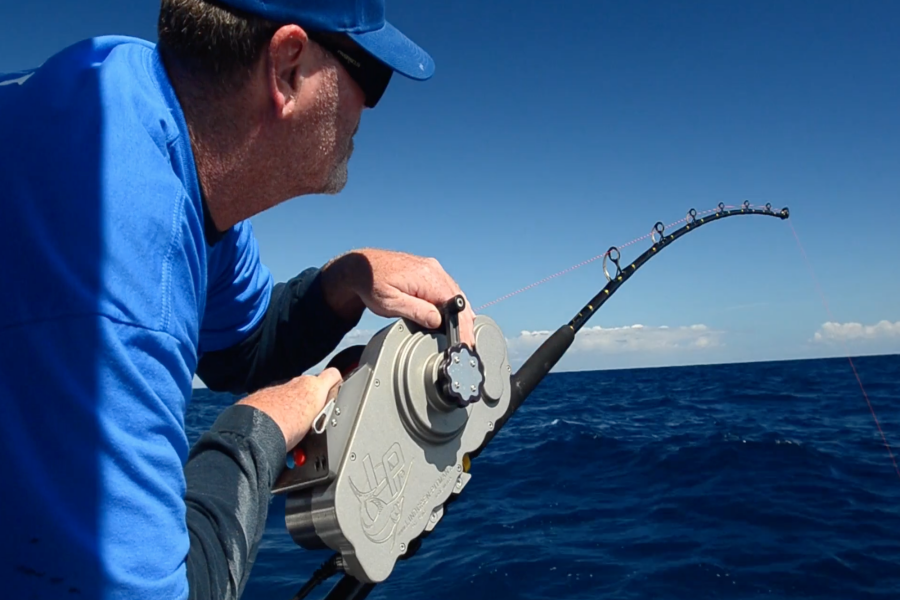
Reels need to hold at least 1,500 yards of 65 to 100 pound braid. For daytime work, an electric reel is not a luxury, it is what makes the fishery practical. Hand cranking a rig, a lead, and a fighting fish up from a quarter mile down is exhausting and it is slow at exactly the moments when slow is dangerous. A few purists still do it, and there is an IGFA argument for it, but most people should not start there. Which reel you buy is a real decision with real money attached, and it is worth working through how to choose an electric reel for this fishery before you spend.
For night drifting at shallower depths, a quality two-speed conventional reel is entirely adequate.
Hooks, Leaders, and Terminal Tackle
This is where most rigs are lost and most fish are lost with them.
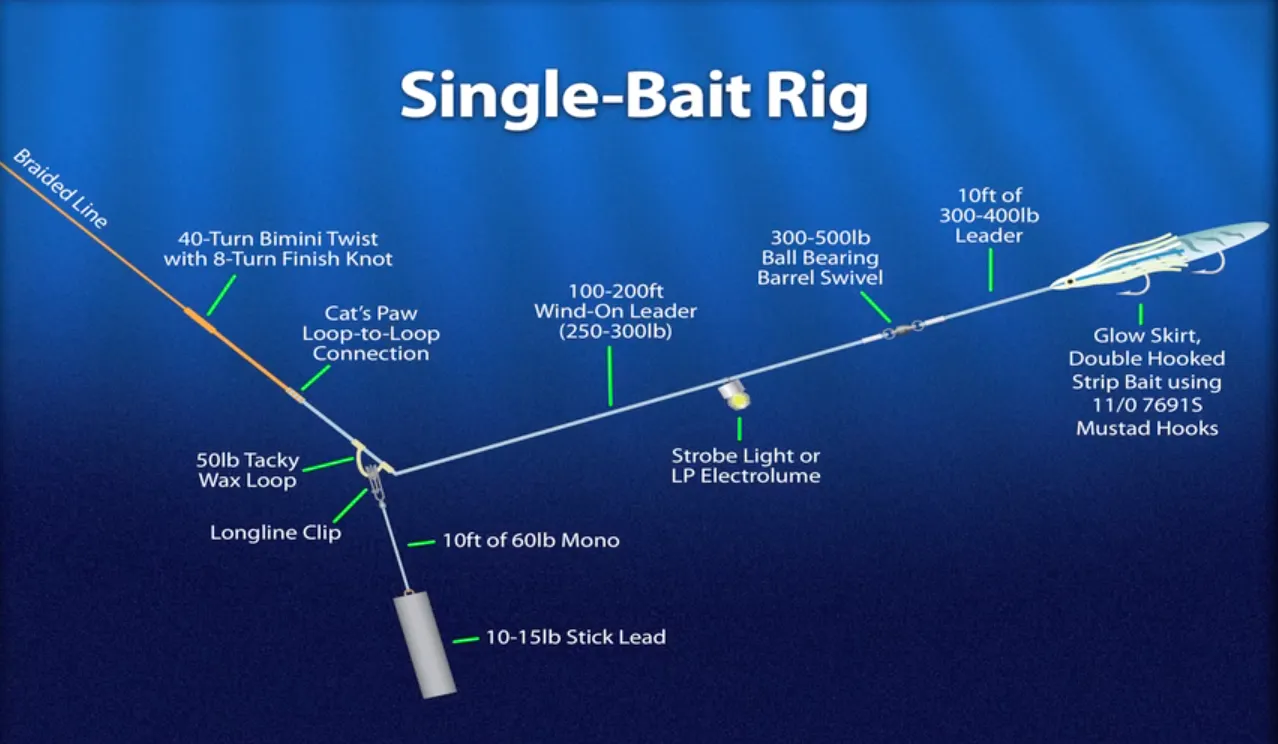
The leader system for a daytime drop starts with hollow-core braid and a mono wind-on spliced directly into it so it passes cleanly through the guides. That wind-on runs 100 to 150 feet of 130 to 300 pound monofilament. That length is not arbitrary. The wind-on is a working section: it carries your light, your lead connection, and your marker knots, and it needs enough room to stage those at controllable distances from the bait while still being manageable on the retrieve.
Below the wind-on you crimp a bite leader, 5 to 8 feet of 250 to 300 pound mono, up to 400 pound if you are running large hooks. That is the section that takes the punishment from the bill and from the fish's skin during the fight. Use double-barrel sleeves and double crimp at these diameters. One crimp on 300 pound mono is a coin flip you have no reason to take.
Mono, not fluorocarbon, from the splice all the way down. At these diameters fluoro is stiff, hard to handle on a leader this long, and offers very little where visibility is not the limiting factor anyway. Mono stretches under load, tolerates chafe, and behaves predictably when you are winching a fish and a heavy lead up from depth.
On hooks, J hooks in 9/0 to 11/0 with a southern tuna bend remain the working default among serious daytime crews. They penetrate on an active hook-set, which is what you need when line stretch has already eaten most of your leverage. Circle hooks are the release-focused choice, and they need to be sized up hard, into the 14/0 to 17/0 range, because the circular geometry shrinks the effective gap relative to the number on the box. Adoption across the fishery is genuinely mixed and it is moving toward circles as conservation norms tighten, but it has not converted, and anyone telling you there is one universally correct hook is selling something. The full tradeoff is worked through in our article on hook selection for swordfish.
Baits and Rigging for Swordfish
Bait selection comes down to durability, scent, and a natural profile. A swordfish slashes with the bill first and comes back to eat second, so your bait has to survive contact and still look alive afterward.
The reliable natural baits are whole squid, bonito belly, dolphin belly, whole mackerel, ladyfish, and mullet. Squid is the most universally effective because it is a primary prey item, it holds a hook, and it produces a scent trail that carries. Belly strips off a bonito or a dolphin are tough and can be cut to whatever profile you want, and bonito holds up better than dolphin because the flesh is firmer and the oil content is higher.
The rigging matters at least as much as the choice. The bait cannot spin. A spinning bait twists your leader, destroys the profile, and tells a swordfish that whatever is down there is not food. It also cannot collapse down the leader on the drop, which is what happens when the hook is not lashed in place with rigging floss. Get both of those right and everything else is detail.
That is the short version. The long version, bait by bait, including stinger hooks, double-hook squid, and what to do when a fish swats a bait and does not eat it, is in our complete breakdown of rigging baits for daytime swordfishing.
How Daytime Deep Dropping Works
Daytime deep dropping is the dominant recreational technique in the Western Atlantic and it is the reason this fishery opened up to ordinary anglers. You are targeting fish in their daytime holding zone, 1,200 to 1,800 feet, by delivering a weighted bait to a precise depth on braid with an electric reel.
It starts with structure. You find it on high-resolution sonar and bathymetric charts. Canyons, ledges, humps, and drop-offs are the targets. You establish a drift line over promising bottom, deploy, and let the breakaway weight carry the bait down to within 50 to 150 feet of the bottom.
Why it works. You are putting a bait exactly where the fish are living during the hours when everyone else is dragging the surface for something else. The fish are actively feeding down there. Nobody is showing them anything.
When it fails. Current is the usual culprit. Past about two knots, your line bows badly, the lead will not hold where you want it, and the bait ends up nowhere near the depth on your counter. Drift speed matters just as much. Drift too fast and the bait sweeps unnaturally through the column and spends almost no time in the productive zone.
How experienced anglers adjust. More lead in more current. Drift socks, or repositioning the boat, to slow things down. Constant attention to line angle, because if the line is more than about 45 degrees off vertical, the bait is not where you think it is. And close attention to the rod tip, because a swordfish picking up a bait at 1,500 feet gives you a signal that looks like nothing at all.
How Nighttime Drift Fishing Works
Nighttime drift fishing is the older method and it still produces. After dark the fish follow the scattering layer up and feed in a band that often runs somewhere between 100 and 400 feet, which puts them within reach of conventional tackle and a lot less machinery.
You drift over known structure with baits staggered at several depths, using balloons or floats to hold them there, with lightsticks to draw attention. That staggering is the whole point. You do not know what depth the fish are feeding at on a given night, so you cover a range and let them tell you.
Why it works. You are intercepting the fish during their most active feeding window, at depths you can reach with normal gear, over bottom they naturally patrol.
When it fails. A bright full moon suppresses the vertical migration of the prey, which keeps the bait deep and the swordfish with it. Rough seas make drift control a nightmare. What you want is a calm, dark, warm night with moderate current.
How experienced anglers adjust. On a full moon they fish deeper, or they give up on the night and deep drop the next morning instead. They control the drift with a sea anchor. They move lightstick color and placement around until something works, though green is the most widely used starting point.
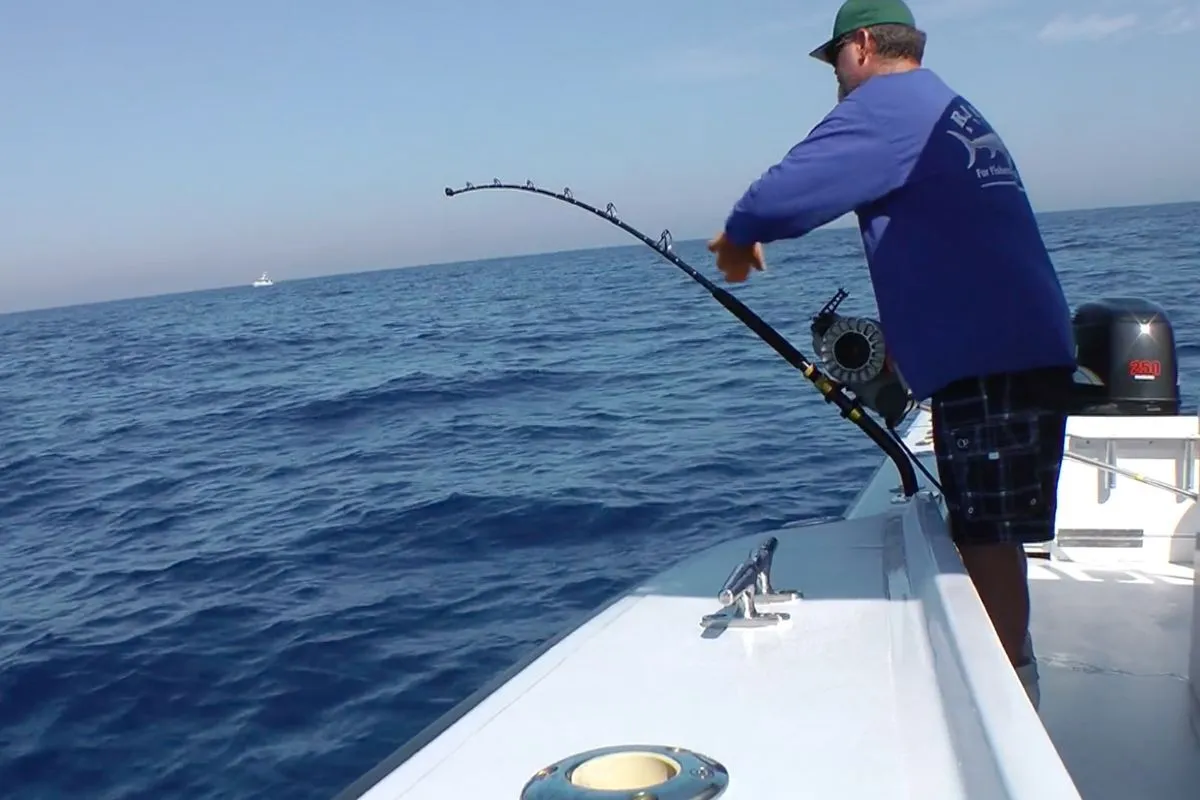
Fighting and Landing a Swordfish
The hookset on a deep-dropped fish is not a hookset in the way you are used to. You detect the bite, which may be a rod tip loading, bouncing, or going slack, and you come tight with the reel rather than swinging on it. If you are on circles, a violent hookset actively works against you.
From there it is attrition. The fish runs hard and uses depth as a weapon, and your job is constant pressure without over-torquing a drag that is already carrying a lot. Smooth transitions between lifting and reeling. Real communication between the angler and whoever is on the wheel, because boat position is what determines line angle and what keeps a fish from getting under the hull.
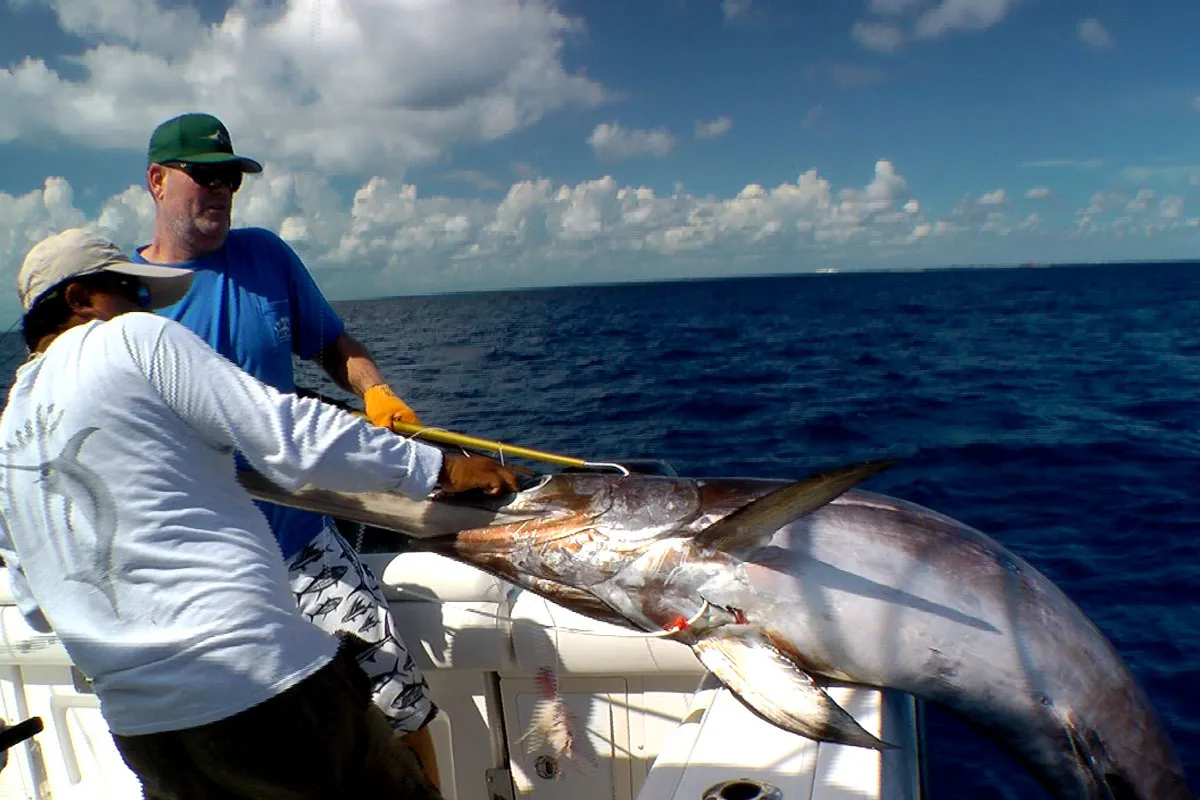
A fight from 1,500 feet can run one to four hours depending on the size of the fish, the current, and where the hook ended up. The last hundred feet are the dangerous part. A green fish at boatside can lunge, whip that bill, or dive straight under the boat. The gaff shot goes behind the head or into the shoulder and it has to be decisive. Once it is in, control the fish immediately with a tail rope.
Conservation and Regulations
Recreational anglers have a direct stake in this. Western Atlantic swordfish were badly overfished by the 1990s, mostly from commercial longline pressure. International management brought the stock back, and that recovery is one of the genuine success stories in fisheries management. It holds only as long as everyone keeps doing the work.
Practically, that means minimizing fight time on fish you intend to release, handling them as little as possible at boatside, and considering circle hooks when release is the goal, since they mouth-hook rather than gut-hook and materially improve survival.
Swordfish Fishing Courses
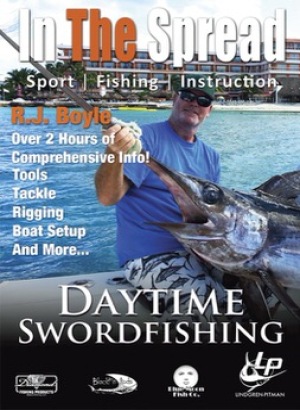
Daytime swordfishing operates at 1,200 to 2,000 feet where broadbill feed actively, creating technical challenges absent in nighttime surface fishing. RJ Boyle explains why depth fundamentally changes tackle requirements, how bait presentation at extreme depth affects strike detection, and what boat positioning precision maintains contact with baits along steep drop-offs where swordfish concentrate during daylight hours.

RJ Boyle's comprehensive daytime swordfishing seminar covers the art and science of targeting broadbill swordfish. Learn depth understanding, equipment requirements, advanced rigging techniques, current stratification analysis, and how oceanographic knowledge combines with tactical execution for consistent success in this technical offshore fishery.
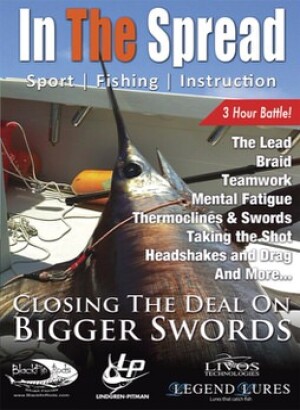
Learn proven swordfishing tactics for landing 500 to 800 pound fish with RJ Boyle. This video covers lead removal timing, harpoon shot execution, drag manipulation strategies, and wheelman boat positioning techniques that determine success when fighting trophy-class swordfish in challenging offshore conditions.
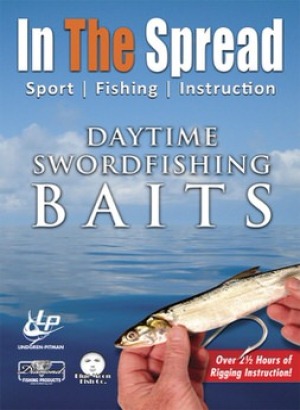
Daytime swordfish become selective when feeding slows due to moon phase or tide, making bait freshness and rigging quality critical rather than optional. RJ Boyle demonstrates seven bait options and specific rigging techniques for each, explaining when ladyfish, squid, dolphin belly, or bonito produce better results based on depth, current, and swordfish feeding behavior at extreme depths.
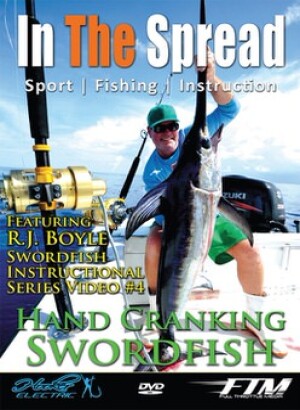
RJ Boyle reveals hand crank swordfishing techniques for IGFA-compliant record catches. This video covers tackle specifications for manual cranking, bait deployment at depth, recognizing swordfish bites, fight management strategies, and when hand cranking succeeds versus power-assisted methods in daytime offshore fishing.
Frequently Asked Questions About Swordfish Fishing
How deep do you fish for swordfish during the day?
Most daytime deep dropping targets 1,200 to 1,800 feet, with 1,200 to 1,600 being a reasonable place to start. Tagging data shows swordfish holding deeper than that during daylight, and some crews probe toward 2,000 feet when conditions and rigging allow, but the 1,200 to 1,800 band is where the practical fishery lives. Your sonar and your knowledge of local bottom determine where inside that band you actually drop.
What size hooks are used for swordfish?
J hooks in 9/0 to 11/0 with a southern tuna bend are the working default for most serious daytime crews. Circle hooks are the release-focused alternative and need to be sized up to roughly 14/0 to 17/0, because a circle's geometry gives it a smaller effective gap than the number suggests. Adoption is mixed across the fishery and trending toward circles, but J hooks have not been displaced.
What pound test line do you need for swordfish?
Eighty to 130 pound braid is standard, with at least 1,500 yards on the reel. Braid gives you the thin diameter needed to reach extreme depth without a huge bow in the line. The leader is a separate system: a 100 to 150 foot mono wind-on in the 130 to 300 pound class, spliced to the braid, with a 5 to 8 foot bite leader of 250 to 300 pound mono crimped below it.
Should you use monofilament or fluorocarbon leader for swordfish?
Monofilament, for most serious daytime programs. At these diameters fluorocarbon is stiff, hard to manage on a long leader, and offers little advantage where visibility is not the limiting factor. Mono stretches under load, handles abrasion from the bill, and behaves predictably when you are lifting a fish and heavy lead from depth.
Do you need an electric reel for swordfish?
For daytime deep dropping, effectively yes. Hand cranking a rig, a lead, and a fighting fish from 1,500 feet is exhausting and slow at exactly the wrong moments. A few purists still hand crank and there is an IGFA record argument for it, but the electric reel is what makes the daytime fishery practical for most people. For nighttime drifting at 100 to 400 feet, a quality two-speed conventional reel works well.
What is the best moon phase for swordfish?
For night fishing, new moon and quarter moon phases generally produce better. A dark sky lets prey species rise higher in the water column, which pulls swordfish into more accessible depths. Bright full moon nights tend to keep the bait deep and push the bite down with it, which is why many crews will skip the night and deep drop the following morning instead.
Can you catch swordfish from shore or a small boat?
For practical purposes, no. These are deepwater pelagic fish, found miles offshore over serious bottom structure. You need a seaworthy offshore boat, typically 30 feet or larger, with the electronics, rod holders, and safety gear the fishery demands.
What is the best bait for daytime swordfish?
Whole squid and bonito belly strips are the two most consistently productive. Squid is a primary natural prey item with good durability and a strong scent trail. Belly strips are tough, can be cut to any profile you want, and hold up to repeated bill strikes. Most crews carry a mix and change based on current and how the fish are behaving.
Where to Go From Here
Swordfishing is not a technique you pick up in an afternoon. It is a system, and the system has a lot of parts: reading structure and current, choosing and rigging the right bait, getting a rig down clean through 1,500 feet of moving water, recognizing a bite that barely registers, and then managing a fight that can last longer than most people's entire fishing day.
What is worth understanding is that almost none of that is luck. Structure and current are things you learn to read. Bait and rigging are entirely within your control. Bite detection is a skill you build. The fight is a matter of preparation and communication. Every single one of those improves with knowledge, and the fish that gets away from an unprepared crew is the same fish that comes over the gunwale for a prepared one.
Start with the two decisions that shape everything else: are you fishing the daytime program or the night, and is your bait actually going to survive the trip down. Get those right and you are already ahead of most of the boats out there.
Login
to leave a review.
User Reviews

Robert
02.02.2024
0

Benjamin
02.02.2024
0
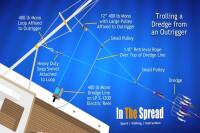
Complete Dredge Pulley Setup Guide
Saltwater
12.28.2020
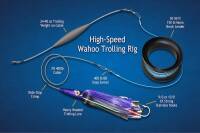
High Speed Wahoo Trolling Rig
Saltwater
09.08.2018
Fishing Light Tackle for Yellowfin Tuna
Saltwater
09.08.2018


0